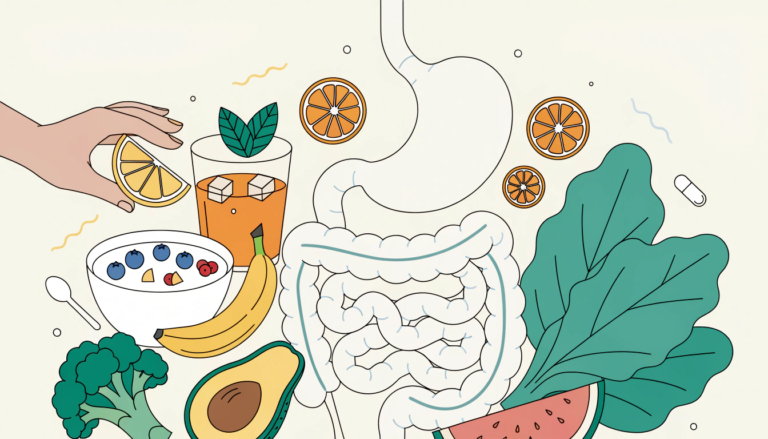

Many people struggle with bloating, low energy, irregular digestion, or general discomfort after meals. These issues are often linked to an imbalance in the gut, not just food choices alone. The good news is that gut health improvement naturally is possible through simple, consistent changes in diet and lifestyle.
In this guide, you’ll learn practical, beginner-friendly strategies to support digestion, reduce common gut discomforts, and improve daily energy. No extreme diets or complicated routines—just clear steps you can start applying today.
Understanding Gut Health and Digestion

Your gut is home to trillions of microorganisms that help break down food, absorb nutrients, and support overall digestive function. When this system is balanced, you typically experience steady energy, regular bowel movements, and minimal bloating.
However, factors like processed foods, stress, low fiber intake, and poor sleep can disrupt this balance. When that happens, digestion slows down, and symptoms like gas, constipation, or fatigue may appear.
Supporting gut health is not about perfection—it’s about consistency in daily habits that encourage a healthier internal environment.
gut health improvement naturally through daily nutrition

Food plays the biggest role in how your gut functions. Small dietary adjustments can significantly improve digestion over time.
Fiber-rich foods that support digestion
Fiber helps move food through your digestive system efficiently. It also feeds beneficial gut bacteria.
Good options include:
- Oats and whole grains
- Apples, bananas, and berries
- Lentils, beans, and chickpeas
- Leafy greens like spinach and kale
Start slowly if your current fiber intake is low to avoid temporary bloating.
Probiotics and prebiotics for gut balance
Probiotics are beneficial bacteria, while prebiotics are their food source.
Examples:
- Probiotics: yogurt, kefir, fermented vegetables
- Prebiotics: garlic, onions, asparagus, bananas
Together, they help maintain a balanced gut environment and support smoother digestion.
Foods to reduce or limit
Certain foods can disrupt digestion when consumed frequently:
- Highly processed snacks
- Excess refined sugar
- Deep-fried foods
- Artificial sweeteners
Reducing these can support gut health improvement naturally without strict dieting.
Hydration and its role in digestion

Water is essential for breaking down food and moving waste through the intestines. Without enough fluids, digestion slows down, which may lead to constipation or discomfort.
A simple guideline is to drink water consistently throughout the day instead of large amounts at once. Herbal teas like ginger or peppermint can also support digestion and reduce bloating after meals.
If you often feel sluggish or heavy after eating, improving hydration is one of the easiest first steps.
Lifestyle habits that support gut balance
Stress management and gut function
Stress directly affects digestion. When stress levels are high, the body prioritizes survival over digestion, which can lead to discomfort.
Simple stress-reducing habits:
- Deep breathing for 5 minutes daily
- Short walks after meals
- Reducing screen time before bed
Sleep quality and digestion
Poor sleep can disrupt gut bacteria and digestion rhythms. Aim for consistent sleep and wake times to support natural digestive cycles.
Movement and physical activity
Light exercise helps stimulate digestion. You don’t need intense workouts—walking 20–30 minutes daily can improve bowel regularity and reduce bloating.
Common signs your gut needs support
Your body often gives early signals when digestion is not functioning optimally.
Common signs include:
- Frequent bloating after meals
- Irregular bowel movements
- Excessive gas or discomfort
- Low energy after eating
- Food sensitivities or heaviness
These symptoms don’t always indicate a serious issue, but they suggest your digestive system may need better support through gut health improvement naturally approaches.
gut health improvement naturally with a simple daily routine
Consistency matters more than complexity. A simple daily routine can help reset and support your digestive system over time.
Morning:
- Drink a glass of water after waking up
- Eat a fiber-rich breakfast (oats with fruit or yogurt with seeds)
Afternoon:
- Include vegetables and lean proteins in meals
- Stay hydrated throughout the day
- Take a short walk after lunch
Evening:
- Eat lighter meals to reduce digestive strain
- Avoid heavy processed foods late at night
- Relax before bed to support digestion and sleep
Following this structure daily supports gut health improvement naturally without overwhelming lifestyle changes.
Conclusion
Improving digestion doesn’t require complicated diets or expensive supplements. With consistent habits like fiber-rich eating, hydration, stress management, and better sleep, you can support gut health improvement naturally and feel noticeable improvements in energy and comfort over time.
Start with one or two changes this week and build gradually. Small steps, repeated daily, create lasting digestive health.
FAQ: Gut Health and Digestion
1. What is the best way to start improving gut health naturally?
The best starting point for gut health improvement naturally is increasing fiber intake and drinking more water. These two changes alone can improve digestion, reduce bloating, and support regular bowel movements. Start slowly and build consistent habits instead of making sudden drastic changes.
2. How long does it take to notice gut health improvements?
Most people begin noticing changes within 1–3 weeks when consistent habits are followed. However, gut health improvement naturally depends on diet, stress levels, and lifestyle. Long-term balance usually develops over several months of steady improvements in nutrition and daily routines.
3. What foods help digestion the most?
Foods rich in fiber, probiotics, and prebiotics are most helpful. Examples include vegetables, fruits, yogurt, kefir, oats, and legumes. These foods support gut health improvement naturally by feeding beneficial bacteria and improving digestion efficiency over time.
4. Can poor sleep affect gut health?
Yes, poor sleep can negatively affect digestion and gut bacteria balance. Irregular sleep patterns may slow digestion and increase bloating or discomfort. Supporting gut health improvement naturally includes maintaining consistent sleep schedules and allowing your body enough rest for proper recovery.
5. Why do I feel bloated after eating healthy foods?
Bloating can occur when increasing fiber too quickly or eating foods your gut is not used to. Even healthy foods require gradual adaptation. With proper pacing, gut health improvement naturally will reduce bloating over time as your digestive system adjusts.
6. Do probiotics really help gut health?
Probiotics can help introduce beneficial bacteria that support digestion. However, they work best alongside a balanced diet rich in fiber. For effective gut health improvement naturally, probiotics should be combined with whole foods and healthy lifestyle habits.
7. What drinks support better digestion?
Water is the most important drink for digestion. Herbal teas like ginger or peppermint may also help reduce bloating. Staying hydrated is a key part of gut health improvement naturally, as it helps food move smoothly through the digestive system.
8. Can stress really affect digestion?
Yes, stress has a direct impact on digestion by slowing down gut activity and affecting gut bacteria balance. Managing stress is essential for gut health improvement naturally, as calm nervous system function supports better digestion and nutrient absorption.