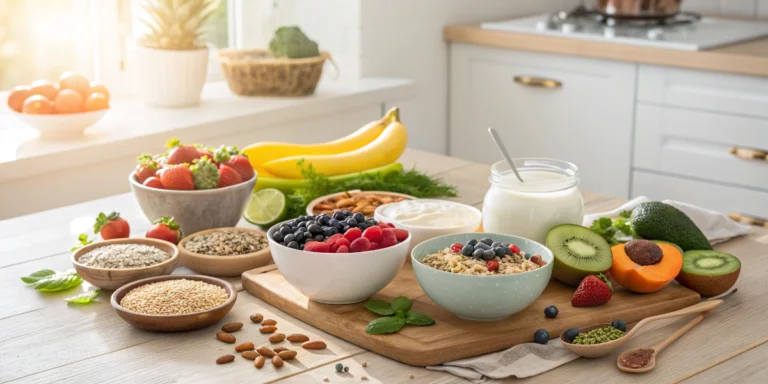

Gut health has become one of the most talked-about wellness topics in recent years—and for good reason. Your digestive system does far more than process food. It plays a role in energy levels, nutrient absorption, and overall daily comfort.
But despite the growing conversation, many people still feel confused about gut health basics. Is it about probiotics? Fiber? Fermented foods? Or something else entirely?
The truth is that good gut health usually starts with simple lifestyle habits practiced consistently over time. Small daily choices—from the foods you eat to how you manage stress—can influence how balanced and resilient your digestive system feels.
In this guide, we’ll break down the foundational habits that support gut health naturally, using practical, realistic strategies you can begin today.
What Are Gut Health Basics?

Understanding gut health basics begins with recognizing that your digestive system contains a complex ecosystem of microorganisms often called the gut microbiome.
These microorganisms interact with the foods you eat and the lifestyle habits you maintain. When your daily habits support balance, digestion tends to feel smoother and more comfortable.
Healthy digestive wellness often involves:
- Eating a variety of whole foods
- Supporting natural digestion with fiber
- Maintaining consistent daily routines
- Staying hydrated
- Managing stress levels
- Getting enough sleep
Rather than relying on quick fixes, long-term digestive wellness usually grows from consistent lifestyle patterns.
Why Everyday Habits Matter for Gut Health
Your digestive system responds to patterns. What you eat repeatedly, how often you move, and even your sleep schedule can influence digestive comfort over time.
Supporting your gut doesn’t require extreme diets or complicated routines. Instead, focusing on steady, supportive habits helps create an environment where digestion functions more smoothly.
Common lifestyle factors that influence digestive wellness include:
- Food diversity
- Meal timing
- Hydration levels
- Stress management
- Physical activity
- Sleep quality
Even modest improvements in these areas can contribute to better digestive balance.
1. Eat a Wider Variety of Plant Foods

One of the most powerful yet overlooked gut health basics is simply eating more variety in plant foods.
Different plants contain different types of fiber and nutrients. These feed different microorganisms in your digestive system, helping create a more diverse microbiome.
Aim for diversity, not perfection
Instead of focusing on strict diet rules, try rotating foods throughout the week.
Examples include:
- Leafy greens (spinach, kale, arugula)
- Root vegetables (carrots, sweet potatoes)
- Whole grains (oats, quinoa, brown rice)
- Beans and lentils
- Nuts and seeds
- Fruits of different colors
A helpful goal many nutrition experts suggest is 20–30 different plant foods per week.
This doesn’t require complicated meals. Even adding herbs, seeds, or new vegetables to familiar dishes increases variety.
2. Prioritize Fiber-Rich Foods

Fiber is one of the most important nutritional components when learning gut health basics.
Fiber moves through the digestive system without being fully broken down, helping support regular digestion and providing nourishment for beneficial gut bacteria.
Everyday fiber-rich foods
Try incorporating more of these foods into meals and snacks:
Whole grains
- Oats
- Brown rice
- Barley
- Whole wheat bread
Legumes
- Lentils
- Chickpeas
- Black beans
- Kidney beans
Produce
- Apples
- Pears
- Berries
- Broccoli
- Brussels sprouts
Seeds
- Chia seeds
- Flaxseeds
- Pumpkin seeds
Increasing fiber gradually while drinking plenty of water can help make this transition more comfortable.
3. Include Naturally Fermented Foods
Fermented foods have been part of traditional diets around the world for centuries. These foods are produced through natural fermentation processes that create beneficial compounds.
While they aren’t required for everyone, fermented foods can be a helpful addition to a balanced diet.
Examples include:
- Yogurt with live cultures
- Kefir
- Sauerkraut
- Kimchi
- Miso
- Tempeh
Adding small servings to meals can introduce new flavors and food diversity.
A simple way to start is adding:
- A spoonful of yogurt with breakfast
- Sauerkraut on a sandwich
- Miso in soups or broths
Consistency matters more than quantity.
4. Stay Consistently Hydrated
Hydration is often overlooked when discussing gut health basics, yet it plays an important role in digestion.
Water helps:
- Move food through the digestive system
- Support fiber’s natural function
- Maintain comfortable digestion
Simple hydration habits
Consider these easy practices:
- Start the morning with a glass of water
- Keep a reusable water bottle nearby
- Drink water between meals
- Include hydrating foods like cucumbers, oranges, and melons
Many people notice improved digestive comfort simply by increasing daily water intake.
5. Establish Consistent Meal Timing
Your digestive system often works best when meals follow a predictable rhythm.
Irregular eating patterns—like skipping meals and then eating large portions late at night—can sometimes make digestion feel sluggish or uncomfortable.
Support digestion with a routine
Helpful habits include:
- Eating meals around similar times each day
- Avoiding extremely late dinners
- Allowing time to eat without rushing
- Chewing food slowly and thoroughly
Eating mindfully also allows your body to recognize fullness signals more easily.
6. Manage Daily Stress

The digestive system and the brain are closely connected through what many experts call the gut–brain connection.
Stressful days can sometimes show up as digestive discomfort, appetite changes, or irregular eating habits.
Supporting gut health therefore often includes supporting stress balance.
Practical stress-management strategies
Try incorporating:
- Short walks outside
- Gentle stretching
- Deep breathing exercises
- Journaling
- Mindful breaks from screens
Even 5–10 minutes of calm time daily can help create healthier rhythms.
7. Move Your Body Regularly
Physical movement helps support overall digestive wellness.
Movement encourages circulation, supports metabolism, and helps maintain regular digestive rhythms.
You don’t need intense workouts to benefit.
Gentle movement options
Consider:
- Walking after meals
- Yoga or stretching
- Cycling
- Swimming
- Light strength training
Even 10–20 minutes of daily activity can support digestive comfort and general wellbeing.
8. Prioritize Quality Sleep

Sleep plays a surprisingly large role in digestive balance.
When sleep schedules are inconsistent or too short, it may affect appetite patterns, food choices, and overall energy levels.
Improving sleep habits can support broader wellness routines.
Simple sleep-support habits
Try these adjustments:
- Keep consistent sleep and wake times
- Reduce screens before bed
- Keep the bedroom cool and dark
- Avoid heavy meals right before sleep
A consistent nighttime routine signals your body to wind down naturally.
9. Eat More Slowly and Mindfully
Modern lifestyles often encourage rushed meals—eating at desks, in cars, or while scrolling through phones.
However, digestion begins before food even reaches the stomach.
Eating slowly allows the body to properly recognize hunger and fullness signals.
Try these mindful eating tips
- Put utensils down between bites
- Take smaller bites
- Chew thoroughly
- Avoid distractions during meals
- Pause halfway through meals
Mindful eating can make digestion feel noticeably more comfortable over time.
10. Focus on Consistency, Not Perfection
One of the most important gut health basics is understanding that digestive wellness develops gradually.
Extreme diets, strict restrictions, or sudden food overhauls often aren’t sustainable.
Instead, focus on small habits practiced daily.
For example:
- Add one new vegetable each week
- Drink one extra glass of water daily
- Take a short walk after dinner
- Experiment with one fermented food
Over time, these habits build a lifestyle that naturally supports digestive wellness.
Practical Takeaways for Better Gut Health
If you want to begin supporting your digestive system today, start with these simple actions:
✔ Eat a wider variety of plant foods
✔ Increase fiber gradually
✔ Include fermented foods occasionally
✔ Stay hydrated throughout the day
✔ Maintain consistent meal timing
✔ Manage daily stress
✔ Move your body regularly
✔ Prioritize quality sleep
✔ Eat slowly and mindfully
Small improvements practiced consistently often create the most sustainable results.
Final Thoughts
Learning the gut health basics doesn’t require complicated wellness routines. In most cases, digestive balance grows from simple daily habits—eating diverse foods, staying hydrated, maintaining routines, and caring for your overall lifestyle.
Rather than chasing quick fixes, aim to build steady, supportive habits that fit naturally into your everyday life.
Over time, these habits help create a foundation for long-term digestive wellness and overall wellbeing.