
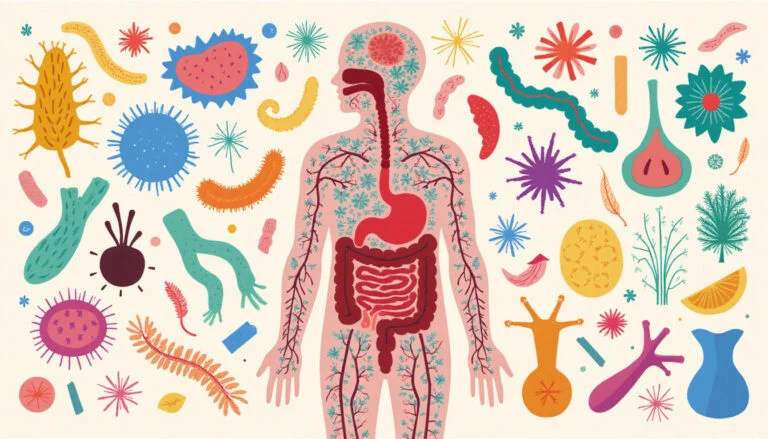

Let me be honest. For the longest time, I didn’t think much about gut flora diversity. Honestly, I didn’t even know what it was. Then came the bloating, the mood swings, the constant fatigue. Something had to give. After digging deep, I realized my gut wasn’t just a random tube—it’s a bustling ecosystem. And gut flora diversity? That’s the secret sauce for feeling good from the inside out.
If you’re nodding your head, wondering what the heck gut flora diversity means or why you should care, you’re in the right spot. I’ve walked this journey from confusion to clarity, and I want to share everything—no fluff, just real talk.
Key Takeaways About Gut Flora Diversity
- Gut flora diversity = a mix of different microbes living in your digestive system.
- More variety = better digestion, stronger immunity, improved mood, and even weight control.
- You can improve it naturally with diet, lifestyle tweaks, and avoiding nasties like unnecessary antibiotics.
- Small changes add up to huge hits in your overall health.
What Is Gut Flora Diversity? And Why Should You Care?
Gut flora diversity simply means having a wide variety of different bacteria, fungi, and other microorganisms living happily in your intestines. Think of it like a rainforest—not just a bunch of trees, but a whole ecosystem thriving together.
More diversity equals a stronger, more resilient gut. The opposite? An imbalanced gut. And trust me, that imbalance can leave you feeling like a walking zombie, battling digestive issues, skin problems, or even anxiety.
Here’s the truth: Scientific research is linking high gut flora diversity with better digestion, immune support, and even mental health perks. The American Gut Project found that people with diverse microbial communities tend to have lower BMIs and better health markers (source).
1. Benefits of Gut Flora Diversity You Can’t Ignore
I used to think "gut health" was some woo-woo fad for wellness geeks. But then I saw the differences in my own life—less bloating, way more energy, and even fewer sick days.
Here’s why gut flora diversity rocks:
- Better digestion: Diverse gut microbes break down a wider range of foods, helping you absorb nutrients better.
- Stronger immunity: Around 70% of your immune system hangs out in the gut. More diversity means it’s ready to fight invaders.
- Mood regulation: Gut bacteria produce neurotransmitters like serotonin. A varied flora can reduce anxiety and depression.
- Weight management: Studies suggest diverse microbiomes correlate with healthier weight levels.
- Reduced inflammation: More good bacteria keeps inflammation in check, which helps with chronic diseases.
Sound like magic? It’s not—it’s science.
2. How to Improve Gut Flora Diversity Naturally (Without Losing Your Mind)
Ready to give your gut a diversity boost without turning your kitchen upside down? Here’s what I’ve learned from trial-and-error (mostly error, if I’m honest).
Key Takeaways for Boosting Gut Flora Diversity
- Eat a variety of fiber-rich plants.
- Incorporate fermented foods daily.
- Avoid unnecessary antibiotics and overly processed foods.
- Get outside and move your body regularly.
- Manage stress like a zen master (or at least try!).
Step 1: Feed Your Gut a Rainbow of Fiber
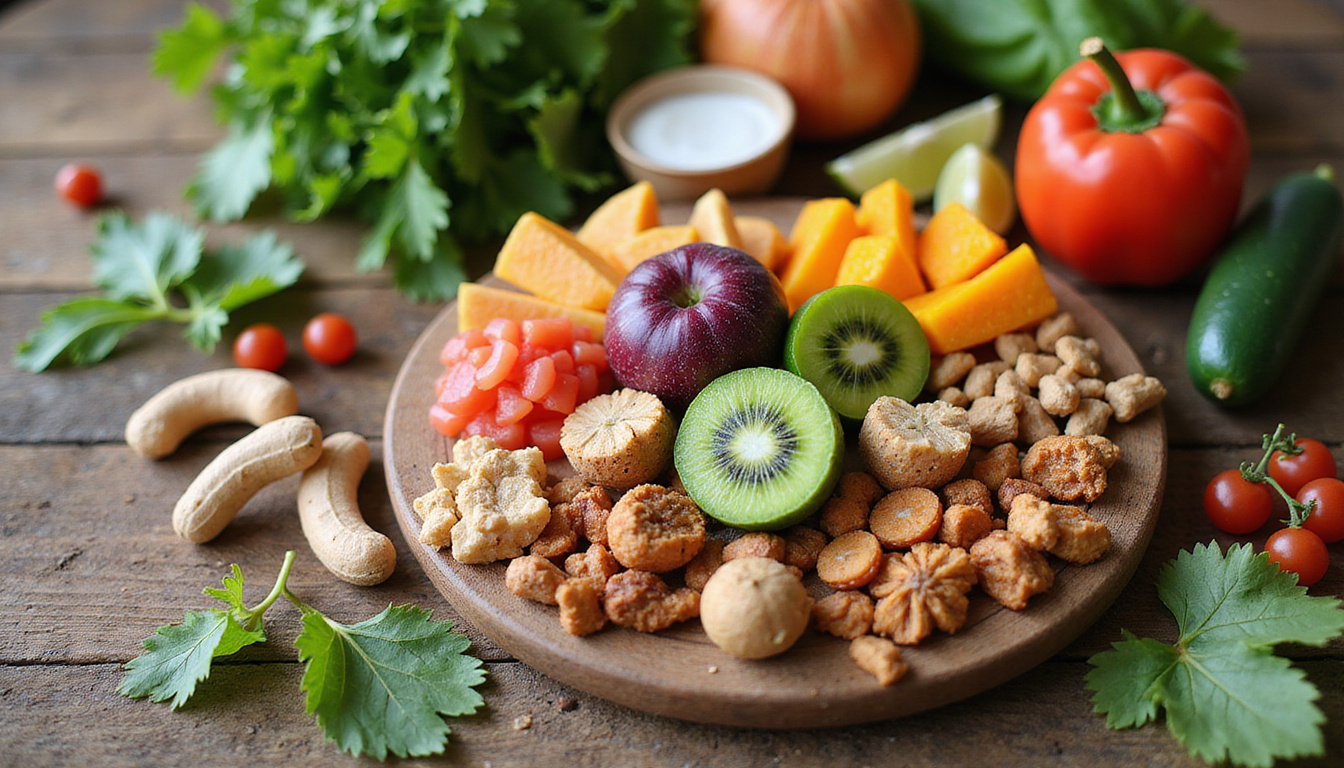
Plant-based fibers are basically gourmet cuisine for your gut bacteria. The more different colors and types you throw in, the better.
Try aiming for:
- Leafy greens (spinach, kale)
- Root veggies (carrots, beets)
- Legumes (lentils, chickpeas)
- Whole grains (quinoa, barley)
- Nuts and seeds
I started making smoothies with spinach, berries, flaxseeds, and even a handful of nuts. Felt like a green monster, but my digestion got noticeably better within a couple weeks.
Step 2: Embrace Fermented Foods Like Your Life Depends On It
Fermented foods are like pre-packaged probiotics. Some of my favorites:
- Yogurt (full-fat, live cultures)
- Sauerkraut and kimchi
- Kombucha
- Miso
- Kefir
A little bit every day goes a long way. I keep a jar of kimchi in the fridge, and it’s become a staple, especially on taco night. Who knew spicy fermented cabbage was the key to a happier gut?
Step 3: Ditch Unnecessary Antibiotics and Processed Foods
I’m not a doctor, but I can tell you this from my personal experience: antibiotics mess up your gut flora diversity. If you do need them, follow your doc’s advice, but avoid pushing for them when it’s doubtful.
Also, cut back on:
- Sugary snacks and sodas
- Highly processed junk with artificial additives
- Excessive alcohol
These guys feed bad bacteria and mess with the diversity balance.
Step 4: Get Moving Outdoors—Even a Little Gets You Going
Movement isn’t just about burning calories. It improves gut motility and oxygen flow, which your bacteria love.
Try walking 30 minutes a day, gardening, or any physical activity that feels fun—not torturous. I went from zero to daily walks, and yep—it helped with my gut issues and my mood.
Step 5: Chill Out—Seriously, Stress Is a Silent Gut Killer
Stress triggers gut problems big time. When I found myself anxious, my stomach revolted. That’s no coincidence.
Incorporate stress-reduction tools like:
- Meditation or deep breathing
- Journaling your thoughts
- Spending time in nature
Your gut flora diversity thanks you for every moment of calm.
3. Quick Checklist for Gut-Friendly Habits
Here’s a quick list to keep you on track. Stick to these for a month and watch the magic happen:
- [ ] Eat 30+ different plant foods weekly
- [ ] Include fermented foods in at least one meal every day
- [ ] Avoid processed and sugary junk
- [ ] Move for 30 minutes daily
- [ ] Practice stress-relief activities regularly
- [ ] Don’t ask for antibiotics unless absolutely necessary
Honestly, this checklist saved me when I felt overwhelmed. Small, consistent steps beat big, unsustainable leaps every time.
FAQs About Gut Flora Diversity
Q1: How quickly can I improve gut flora diversity?
A1: Changes can start in as little as two weeks with consistent dietary and lifestyle adjustments. Full restoration may take a few months, especially after antibiotics.
Q2: Can supplements boost gut flora diversity effectively?
A2: Some probiotics help, but they can’t replace a varied diet and healthy lifestyle. Fermented foods and fiber are still your best bet.
Q3: What foods should I avoid to protect my gut flora diversity?
A3: Highly processed foods, too much sugar, excessive alcohol, and unnecessary antibiotics can harm your gut bacteria’s diversity.
My Takeaway (And Why You Should Care)
Look, I get it. Getting your gut flora diversity on track isn’t a walk in the park. I’ve stumbled more times than I can count.
But if I can do it—and stick with it long enough to feel like a new person—you absolutely can. It’s not about perfection; it’s about progress.
By diversifying your gut flora, you’re investing in more energy, better digestion, and a mood that doesn’t suck. And that’s priceless.
So why wait?
Start adding that extra veggie to your plate today. Grab some yogurt or kombucha. Take a 10-minute walk outside. Small choices lead to big changes. Your gut—and you—will thank you.
Ready to take control of your gut health and unlock the vibrant energy you deserve? Don’t wait for another bloated day or cranky mood to remind you that change’s overdue. Take action now, and feel the difference in weeks.
Here’s to a happier gut and a happier you!


