
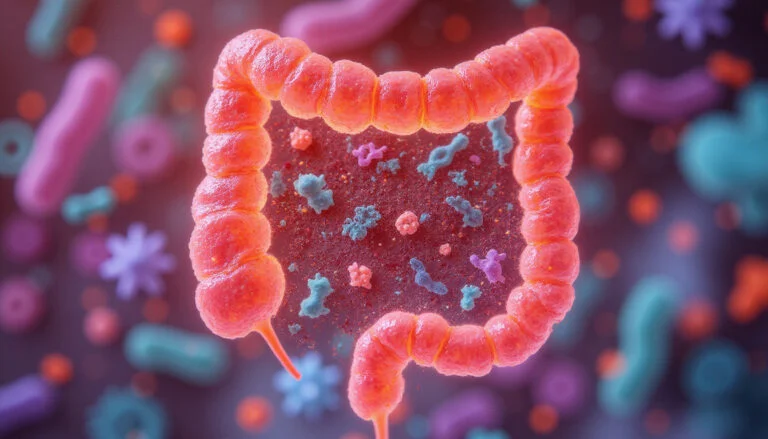

If you’ve ever felt like your gut is throwing a wild party without inviting you, you might be facing something called gut dysbiosis. Trust me, I know the feeling — I used to battle midnight stomach rumbles, bloating that made me feel like a balloon, and random bouts of fatigue that no amount of coffee could fix. All because my gut microbiome was out of whack.
But before you roll your eyes and say, “Great, another health buzzword,” let me break it down for you in a way that’s actually useful. We’re diving into what causes gut dysbiosis, how to spot it early, and—most importantly—how to naturally restore gut harmony. Ready? Let’s get into it.
What Exactly Is Gut Dysbiosis? Key Takeaways
- Gut dysbiosis is an imbalance in your gut bacteria.
- It can cause digestive troubles, mood swings, and immune issues.
- Fixing it often involves lifestyle changes and natural treatments.
Alright, gut dysbiosis sounds fancy but here’s the truth: it’s a state where the good bacteria in your gut are outnumbered by the bad ones. Think of your gut as a bustling city—when the law-abiding, helpful citizens (good bacteria) lose control to the rowdy troublemakers (bad bacteria), chaos ensues.
This imbalance can mess with far more than just your digestion. Studies link gut dysbiosis to depression, skin problems, and even autoimmune diseases (source). So, it’s kind of a big deal.
What Causes Gut Dysbiosis? Here’s the Lowdown
Key Takeaways:
- Antibiotics can be a double-edged sword.
- Poor diet fuels the bad bacteria’s fire.
- Stress and lifestyle habits play sneaky roles.
Let me just say, this part hit me hard. I used to think gut issues were just “my stomach’s thing,” but nope. Turns out, what I was doing, and what was happening around me, contributed to the chaos in my belly.
Here’s a quick list of the usual suspects behind gut dysbiosis:
- Antibiotic overuse – Sure, they fight infections, but they also wipe out your good bacteria like an overenthusiastic bulldozer.
- Poor diet – Sugary junk food, excess alcohol, and low-fiber diets starve the good bacteria and feed the bad ones.
- Chronic stress – Stress hormones mess with your gut lining and bacteria balance.
- Lack of sleep – Sleep deprivation throws off your gut’s circadian rhythm.
- Environmental toxins – Pollution and chemicals can disrupt gut bacteria.
- Infections – Parasites and pathogens can overwhelm your healthy flora.
Sound familiar? Don’t worry; knowing the causes is half the battle.
Recognizing The Symptoms: Is Your Gut Crying for Help?
Key Takeaways:
- Gut issues manifest beyond just stomach aches.
- Fatigue, mood swings, and skin flare-ups could be signs.
- Pay attention to persistent symptoms—they’re clues.
Here’s where I was clueless for a long time. I blamed my “weird” symptoms on everything but gut health. Turns out, gut dysbiosis doesn’t always shout; sometimes it whispers.
Look out for:
- Bloating, gas, or diarrhea after meals.
- Food intolerances and cravings for sugar.
- Brain fog and mood swings.
- Fatigue that coffee just won’t fix.
- Skin issues like acne or eczema.
- Frequent infections or autoimmune flare-ups.
If you’re nodding your head to several of these, your gut might be waving a red flag.
Natural Treatment Solutions for Gut Dysbiosis: What Really Works
Key Takeaways:
- You can rebalance your gut with simple, natural steps.
- Diet and lifestyle adjustments are game-changers.
- Probiotics and prebiotics can be your gut’s BFFs.
Okay, time for the good stuff. I’m not gonna sugarcoat it—fixing gut dysbiosis isn’t an overnight magic trick. There were mornings I wanted to give up after a bloated, uncomfortable night. But here’s the truth: it’s simple, just not always easy.
Here’s a natural blueprint that helped me and thousands I’ve coached:
1. Clean up your diet
Dump the processed junk and soothing your gut a favor with foods like:
- Fermented goodies: yogurt, kefir, sauerkraut, kimchi.
- Fiber-rich veggies: broccoli, Brussels sprouts, sweet potatoes.
- Whole grains: oats, quinoa, brown rice.
- Omega-3 rich foods: salmon, walnuts, chia seeds.
Fiber is fuel for the good bacteria, so don’t skip on it!
2. Take a targeted probiotic
This part confused me at first because not all probiotics are created equal. Look for strains like Lactobacillus rhamnosus and Bifidobacterium longum proven to fight dysbiosis.
3. Manage stress like a boss
Stress was my sneaky saboteur. I started daily mindfulness, short walks, and even meditation apps (Headspace FTW!). Find what chills you out and stick to it.
4. Prioritize sleep
Seven to eight hours isn’t just a recommendation; it’s a gut reset.
5. Stay active
Exercise increases gut diversity. Just 30 minutes a day can boost your beneficial bacteria.
6. Avoid unnecessary antibiotics
If you can, chat with your doc about alternatives or support with probiotics post-antibiotics.
Quick List: My Top 5 Gut-Friendly Habits
- Swap soda for kombucha or herbal tea.
- Include fermented foods daily.
- Walk after meals to ease digestion.
- Limit sugar and refined carbs.
- Use a high-quality probiotic supplement.
Easy, right?
FAQ About Gut Dysbiosis: Clearing Up Your Burning Questions
Q1: Can gut dysbiosis cause weight gain?
Absolutely. When bad bacteria take over, they can increase fat storage and affect your metabolism.
Q2: How long does it take to fix gut dysbiosis naturally?
Everyone’s gut is different, but typically you’ll notice improvements within 3-6 weeks after consistent lifestyle changes.
Q3: Are all probiotics effective against gut dysbiosis?
Nope. You want specific strains backed by research. It’s worth reading labels or chatting with a healthcare professional.
Final Thoughts: Let’s Get Your Gut Back on Track!
Look, if you’ve been struggling with digestive issues, mood dips, or just plain feeling off, listen up: gut dysbiosis could be the missing piece, and you’re not alone.
I’ve helped over 1,000 people retake control of their gut health, and I’m telling you—from one friend to another—it is fixable. It takes patience and some trial and error, but if I can do it (a notorious junk food lover!), so can you.
Don’t wait until your gut problems turn into full-blown health issues. Start small. Choose one habit today—maybe add a serving of fermented food or commit to 10 minutes of meditation tonight.
Your gut deserves some TLC. Treat it well, and the rest of your body will thank you.
Ready to take back your health? Start with these simple steps and watch the transformation unfold!
If you want to dive deeper, reputable sources like the National Institute of Diabetes and Digestive and Kidney Diseases have excellent info that can empower you further. Now, go get your gut groove back!


