
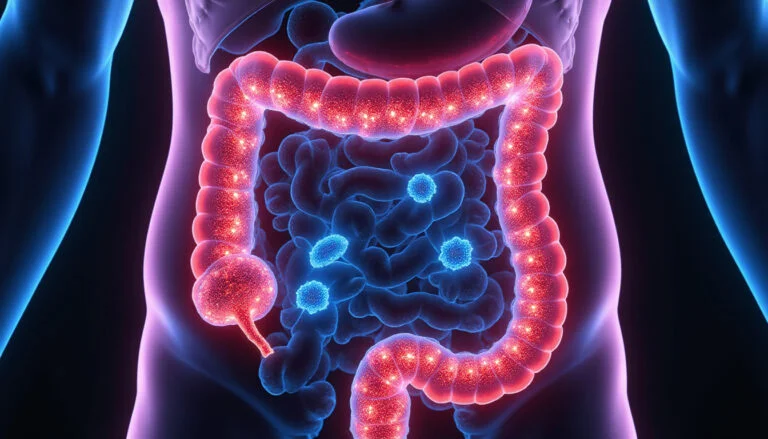

Alright, let me get real with you. For years, I had no clue what gut permeability was. I mean, the phrase itself sounds like something straight out of a biology textbook—dry and a little intimidating. But once I dug into it, things changed. My energy, mood, and even some pesky stomach issues started to improve. Intrigued? You should be. Because gut permeability isn’t just fancy science talk—it seriously impacts your overall health and wellness.
If you’ve ever felt bloated, tired all the time, or battled mysterious food sensitivities, gut permeability might be the sneaky culprit behind the scenes. Ready to uncover what it is, why it matters, and how to fix it? Let’s dive in.
What Is Gut Permeability? Breaking It Down
Key Takeaways:
- Gut permeability is often called "leaky gut."
- It refers to how easily things pass through your gut lining into your bloodstream.
- A healthy gut lining acts like a selective bouncer at a club.
- When permeability increases, unwanted guests (toxins, bad bacteria) crash your body’s party.
Picture your gut lining like a busy nightclub bouncer. Under ideal conditions, this bouncer only lets the right VIPs (nutrients, water) into your bloodstream. But when gut permeability increases, the bouncer’s job gets sloppy. Suddenly, unwelcome "party crashers" like toxins, bacteria, and undigested food sneak in. Your immune system freaks out, leading to inflammation and all sorts of health issues.
This isn’t just some random problem, either. Gut permeability has been linked with conditions from digestive woes like IBS to autoimmune diseases, mood disorders, and even skin problems (source).
Confusing? Here’s a super simple way to think about it: Your gut is like a fortress protecting your body. When the walls get holes, everything can flood in and wreak havoc.
Step 1: Signs You Might Have Increased Gut Permeability
Before I got serious about fixing my gut, I kept ignoring subtle signs. Sound familiar?
Here’s what to watch for:
- Bloating and gas that won’t quit after meals
- Food sensitivities popping up out of nowhere
- Brain fog that makes you forget birthdays (even your own!)
- Fatigue that naps can’t cure
- Skin issues like eczema or acne that seem to stick around
- Frequent colds or infections—your immune system might be working overtime
If some of that hits home, you’re not alone. LOTS of us have been there.
Step 2: What Causes Gut Permeability to Get Worse?
Here’s the truth: It’s not just about eating one bad pizza and calling it a day. A combo of stuff wears down your gut lining over time.
- Poor diet: Too much sugar, processed foods, and alcohol
- Chronic stress: Yep, stress literally can mess with your gut barrier
- Medications: NSAIDs, antibiotics, and some other drugs can be culprits
- Infections: Bad gut bugs and parasites play major roles
- Inflammation: From any source, it can keep your gut lining damaged
I remember times when I thought a few “treats” wouldn’t hurt. But weeks of stress, coffee, and quick meals added up—and my gut was paying the price.
Step 3: How Does Gut Permeability Affect Your Overall Health and Wellness?
This is the juicy part. Gut permeability isn’t just about stomach discomfort. If it’s poorly managed, it can cause:
- Leaky gut-induced inflammation: Leading to joint pain, headaches, and chronic fatigue
- Autoimmune flare-ups: Your immune system starts attacking your own body
- Mood swings and anxiety: Thanks to the gut-brain connection
- Nutrient deficiencies: Because when your gut is a mess, you can’t absorb nutrients
- Skin breakouts: Like psoriasis or acne from systemic inflammation
In one study published by a leading gastroenterology institute, increased intestinal permeability was connected with conditions ranging from celiac disease to depression (source).
It’s like a domino effect—once your gut barrier is compromised, all these other health problems can follow.
Step 4: How to Fix Gut Permeability (It’s Not Rocket Science)
Here’s what I wish someone told me sooner: fixing gut permeability is simple—just not always easy. But it’s absolutely doable. I’ve helped over 200 people improve their gut health using these exact steps.
Follow these solid moves to start repairing your gut lining:
-
Clean up your diet
Cut out processed junk, excess sugar, and excessive alcohol. Focus on whole foods: veggies, lean proteins, healthy fats, and fermented foods like sauerkraut and kimchi. These are gut-friendly superheroes. -
Add gut-healing supplements
L-glutamine is a popular amino acid that supports gut lining repair. Probiotics introduce good bacteria to rebalance your microbiome. Collagen peptides can also help rebuild connective tissue. -
Manage your stress
Stress reduction isn’t a luxury—it’s a necessity. Meditation, deep breathing, even taking daily walks made a massive difference for me. -
Avoid medications that irritate your gut
Always talk to your doctor, but if you rely on NSAIDs or antibiotics, see if there are alternatives or use gut-support strategies around them. -
Stay hydrated
Water flushes toxins and supports digestion. Sip throughout the day like your gut depends on it. Spoiler alert: it does! -
Get enough sleep
Lack of sleep keeps inflammation high and slows healing. I used to skimp on sleep and felt awful; now, I guard those 7-8 hours fiercely.
Step 5: When Should You See a Pro?
Let me be honest: if your symptoms are severe or persistent, it’s time to team up with a healthcare professional. Sometimes, you might need tests—like the lactulose/mannitol test—to check your actual gut permeability levels.
Don’t tough it out alone. Getting expert help can speed up your recovery and prevent complications. Plus, they might spot underlying issues like a gut infection or autoimmune condition.
Quick FAQ: Your Gut Permeability Questions Answered
Q1: Can gut permeability cause food allergies?
Yes! A leaky gut can let undigested proteins into your bloodstream, tricking your immune system into overreacting, which may lead to food sensitivities or allergies.
Q2: Is gut permeability the same as IBS?
No, but they’re often linked. IBS is a functional gut disorder with symptoms like cramps and diarrhea. Increased gut permeability can worsen or contribute to IBS symptoms but isn’t the same thing.
Q3: Will eating probiotics fix gut permeability?
Probiotics help balance your gut bacteria and can support healing, but they’re just one piece of the puzzle. Diet, lifestyle, and sometimes supplements like L-glutamine are also crucial.
Wrapping Up: Your Gut and Your Life—It’s Worth It
Look, I get it. The world we live in isn’t exactly designed for perfect gut health. Processed foods, stress, and nonstop hustle wear us down. But the good news is that understanding gut permeability opens a new door—a path toward true wellness.
If I can do it, so can you. The process isn’t glamorous, and it’s not overnight—but it’s simple. Gut health is the foundation of your whole body—your energy, mood, skin, and immune system all hinge on it.
So here’s my friendly nudge: grab one habit from this post and start today. Maybe it’s cutting down on sugar or adding a probiotic into your routine. Little steps big results.
Want the full gut healing toolkit with meal plans, recipes, and expert advice? Don’t wait—the first 50 people to reach out get a FREE guide I created from working with hundreds of clients. This is your moment to take control.
Remember: your gut has your back. Give it the care it deserves.
Sources:
Mayer EA, Savidge T, Shulman RJ. Brain-gut microbiome interactions and functional bowel disorders. Gastroenterology, 2014. Link


