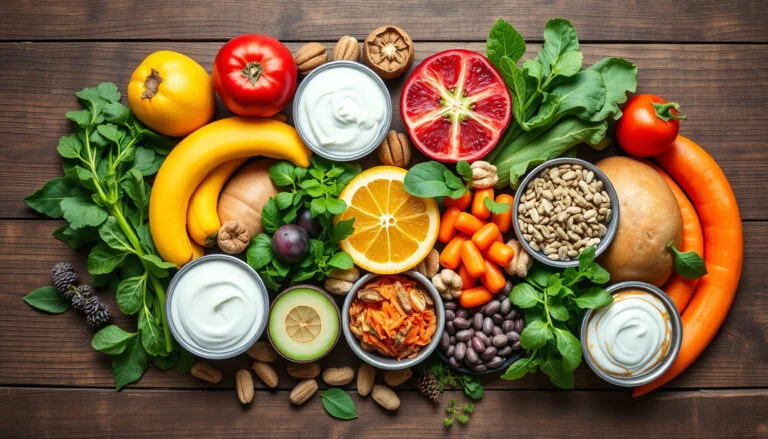

Maintaining gut health mental wellness is essential for overall emotional well-being. Research shows that the foods we eat directly affect our gut, which in turn influences mood, stress levels, and cognitive function. By understanding how diet impacts the gut-brain connection, you can take proactive steps to improve both your digestive health and mental health.
By understanding how foods affect gut health, you can improve your mental health naturally. This article explores the best foods, nutrients, and practical tips to support mental wellness through a healthy gut.
Affiliate Disclaimer: Some links in this article are affiliate links. If you purchase through these links, I may earn a small commission at no extra cost to you.

Understanding the Gut-Brain Connection
The gut-brain connection is a two-way communication system between your digestive tract and your brain. It is influenced by gut bacteria, immune responses, and nutrient absorption.
How Gut Health Mental Wellness Impacts Mood and Cognition
- Gut Microbiome: Trillions of gut bacteria produce neurotransmitters like serotonin, which regulate mood.
- Inflammation: Poor gut health can cause chronic inflammation linked to anxiety and depression.
- Nutrient Absorption: A healthy gut absorbs vitamins and minerals more effectively, supporting brain function.
By eating the right foods, you can enhance your gut microbiome and improve your mental health over time.
Foods That Support Gut Health Mental Wellness
Eating the right foods can directly improve gut health mental wellness. A balanced diet boosts mood, reduces anxiety, and supports cognitive clarity. Gradually including gut-friendly foods is an effective way to care for both your digestive system and brain function.
Probiotic Foods for Gut Health Mental Wellness
Probiotic foods like yogurt, kefir, and fermented vegetables introduce beneficial bacteria into your gut. These probiotics help maintain a balanced microbiome, which supports emotional stability and overall mental wellness. Regularly consuming probiotics can improve serotonin production, reduce anxiety, and enhance focus naturally.
Prebiotic Foods That Enhance Gut Health Mental Wellness
Prebiotics, found in garlic, bananas, and onions, nourish healthy gut bacteria. Feeding these beneficial bacteria improves digestion, supports neurotransmitter production, and boosts brain function. Including a variety of prebiotic foods daily strengthens your gut microbiome and enhances gut health mental wellness over time.
Omega-3-Rich Foods to Promote Gut Health Mental Wellness
Omega-3 fatty acids, present in salmon, mackerel, and flaxseeds, support both brain and gut health. They help reduce inflammation, regulate mood, and protect cognitive function. Adding omega-3-rich foods to your diet reinforces the gut-brain connection and contributes to sustained gut health mental wellness.
The Role of the Gut Microbiome in Gut Health Mental Wellness
Your gut microbiome contains trillions of bacteria that influence digestion, immunity, and mental well-being. A well-balanced microbiome is essential for maintaining gut health mental wellness, supporting both emotional stability and cognitive performance.
How the Gut Microbiome Supports Mental Wellness
- Neurotransmitter Production: Gut bacteria produce serotonin and dopamine, which regulate mood and motivation.
- Inflammatory Responses: A healthy microbiome reduces harmful inflammation linked to anxiety or depression.
- Gut-Brain Axis: This communication pathway allows the gut to send signals to the brain, influencing stress response and mental clarity.
Top Foods That Boost Gut Health Mental Wellness
Incorporating specific foods into your diet strengthens the gut-brain connection and supports emotional health.
Fermented Foods for Mental Wellness
Yogurt, kefir, and kimchi enrich gut bacteria, helping improve mood, cognitive function, and overall mental clarity.
Fiber-Rich Foods to Support Gut Health Mental Wellness
Fruits, vegetables, and whole grains feed beneficial gut bacteria. This enhances digestion, nutrient absorption, and brain performance.
Fatty Fish for Gut and Brain Health
Salmon, sardines, and mackerel are rich in omega-3s. These fats reduce inflammation, improve cognitive performance, and promote emotional stability.
Nuts and Seeds for Emotional Stability
Walnuts, flaxseeds, and chia seeds provide omega-3s, magnesium, and antioxidants. They reduce stress-related inflammation and support a healthy gut-brain connection.
Dark Chocolate as a Gut-Healthy Treat
In moderation, dark chocolate provides prebiotics that nourish gut bacteria and may elevate mood. It’s a tasty way to support gut health mental wellness naturally.
Transitioning to a Gut-Healthy Diet for Mental Wellness
Start small by adding one fermented food per day. Experiment with fiber-rich vegetables, whole grains, and omega-3-rich meals. Remaining consistent gradually strengthens your gut microbiome, improving both digestion and mental wellness. Over time, these dietary changes help maintain long-term gut health mental wellness and overall well-being.
✅ Next Steps / Practical Tips:
Track mood and digestion to see progress.
Rotate fermented foods daily.
Pair prebiotic and probiotic foods for maximum benefit.
Include omega-3 sources at least 2–3 times per week.

Foods Rich in Probiotics That Support Gut Health Mental Wellness
Probiotic foods contain live bacteria that restore balance to your gut microbiome, influencing both digestion and gut health mental wellness. Regular consumption can positively affect mood, reduce anxiety, and improve cognitive function.
What Are Probiotics?
Probiotics are “good” bacteria found in fermented foods. They help maintain a healthy gut, support neurotransmitter production, and promote emotional stability. By including probiotics in your diet, you can enhance both mental and digestive well-being naturally.
Top Probiotic Foods for Gut Health Mental Wellness
Yogurt: Packed with live cultures, calcium, and vitamin B12, yogurt supports brain function and gut balance.
Kefir: A fermented drink with a diverse range of probiotics that strengthens gut health and mental clarity.
Sauerkraut: High in fiber and probiotics, sauerkraut supports digestion and may help reduce symptoms of anxiety.
Kimchi: This spicy fermented vegetable dish enhances gut flora and may improve mood through its beneficial bacteria.
Miso: A fermented soybean paste rich in probiotics, perfect for soups and dressings that boost both gut and brain health.
Tempeh: Protein-rich and fermented, tempeh nourishes gut microbiota while providing essential nutrients for mental wellness.
Consider adding Garden of Life RAW Probiotics to your diet. It offers diverse bacterial strains that support gut health and mental wellness naturally.
Benefits of Eating Probiotic Foods for Gut Health Mental Wellness
Including probiotic foods in your diet can have a powerful impact on both your gut and brain. For instance, probiotics:
- Improve Mood: By supporting serotonin production in the gut, they help regulate emotions and foster emotional balance.
- Reduce Anxiety: A healthy gut-brain signaling system helps lower stress and anxiety levels naturally.
- Enhance Cognitive Function: Probiotics contribute to better memory, focus, and overall mental clarity.
In addition, regularly consuming probiotic-rich foods strengthens the gut microbiome, which directly influences gut health mental wellness.
Prebiotic Foods: Nourishment for Beneficial Gut Bacteria
Prebiotics are non-digestible fibers that feed beneficial gut bacteria. By including prebiotic foods in your meals, you help your microbiome thrive, supporting digestion and gut health mental wellness simultaneously.
Top Prebiotic Foods for Gut Health Mental Wellness
Garlic: Contains inulin, a prebiotic fiber that nourishes good bacteria and supports mental clarity.
Onions: Raw or cooked, onions promote the growth of beneficial gut bacteria, improving digestion and emotional well-being.
Leeks: Rich in compounds similar to garlic, leeks encourage a balanced microbiome that supports gut health mental wellness.
Asparagus: High in prebiotic fibers and essential vitamins, asparagus helps maintain both gut and brain function.
Bananas: Slightly green bananas provide fiber that fuels healthy gut bacteria and enhances mood.
Chicory Root: A fiber-rich superfood often used as a coffee substitute, chicory root promotes digestion and supports mental wellness.
A prebiotic supplement like Hyperbiotics Organic Prebiotic Powder can be added to smoothies or oatmeal to naturally enhance gut health and mental wellness.
Benefits of Prebiotic Foods
Including prebiotics in your diet provides multiple advantages:
- Boosts Mood: Gut-produced neurotransmitters improve emotional stability.
- Reduces Anxiety and Depression: A balanced microbiome helps regulate stress and supports mental wellness.
- Improves Digestion: Prebiotics enhance nutrient absorption and maintain gut health.
- Enhances Cognitive Function: A healthy gut-brain connection improves memory, focus, and clarity.
By combining probiotics and prebiotics daily, you create a synergistic effect that strengthens your gut-brain connection, promotes long-term gut health, and improves mental wellness naturally.

Anti-Inflammatory Foods That Support Digestive and Mental Well-Being
Chronic inflammation can negatively affect both your gut and brain. Therefore, including anti-inflammatory foods in your diet helps support emotional balance, cognitive clarity, and digestive health. Making these foods a regular part of your meals can gradually improve digestion, mood, and overall mental performance.
Key Anti-Inflammatory Foods for Digestive and Cognitive Health
Fatty Fish: Salmon, mackerel, and sardines are rich in omega-3 fatty acids. Besides reducing inflammation, they support brain structure and overall gut function.
Leafy Greens: Spinach, kale, and collard greens provide folate and antioxidants. They enhance cognitive performance while maintaining a healthy digestive environment.
Berries: Blueberries, strawberries, and blackberries combat oxidative stress. They promote mental clarity, emotional stability, and a balanced microbiome.
Avocados: Packed with healthy fats and fiber, avocados improve brain function and help maintain digestive balance.
Nuts and Seeds: Walnuts and flaxseeds supply omega-3s and antioxidants. They strengthen the gut-brain connection and reduce stress-related inflammation.
Whole Grains: Oats, quinoa, and brown rice are high in fiber. They support digestion, nutrient absorption, and help regulate mood.
Essential Nutrients for Digestive and Mental Wellness
A nutrient-rich diet enhances both gut and brain function. Include these key nutrients consistently:
Omega-3 Fatty Acids: From fish and nuts, omega-3s reduce inflammation, support mood, and improve cognitive performance.
Probiotics: Yogurt, kefir, and fermented foods improve gut flora, supporting emotional resilience and mental wellness.
Fiber: Fruits, vegetables, and whole grains maintain a healthy microbiome, aiding digestion and emotional stability.
B Vitamins: Leafy greens and legumes provide essential vitamins for nerve function, energy, and brain health.
Magnesium: Found in nuts and seeds, magnesium helps reduce stress, calm the nervous system, and support digestive balance.
By including these anti-inflammatory foods and nutrients regularly, you can strengthen your gut-brain connection, improve mental clarity, and promote overall digestive and emotional well-being over time.

Practical Tips for Improving Digestive and Mental Well-Being
Incorporating foods that support your gut and brain doesn’t have to be complicated. Small, consistent changes in your daily routine can gradually improve digestion, mood, and overall cognitive function.
Start the Day with a Gut-Friendly Breakfast
Begin your morning with a fiber-rich meal, such as oatmeal with berries or a smoothie. These choices support healthy gut bacteria and help boost mood naturally. Pairing them with a source of protein can further enhance energy and mental clarity throughout the day.
Add Fermented Foods to Your Diet
Incorporate yogurt, kimchi, or sauerkraut into your meals. Fermented foods introduce beneficial bacteria that strengthen the microbiome, improving digestion and emotional well-being.
Smart Snacking for Better Digestion and Focus
Choose nutrient-dense snacks like nuts, seeds, or fresh fruit instead of processed options. These foods nourish gut bacteria, help maintain stable blood sugar, and support mental clarity.
Stay Hydrated Throughout the Day
Drinking enough water aids digestion and helps maintain a healthy microbiome. As a result, you may notice improvements in mood, energy levels, and overall cognitive performance.
Plan Meals to Encourage Consistency
Creating a weekly meal plan ensures variety and regular intake of gut-supporting foods. Planning also makes shopping easier, encourages balanced nutrition, and reduces reliance on processed foods.
Experiment with Recipes
Try new dishes featuring quinoa, legumes, and leafy greens. These ingredients diversify gut bacteria and contribute to long-term digestive and emotional wellness. Being creative in the kitchen also makes healthy eating more enjoyable and sustainable.
Frequently Asked Questions
What is the gut-brain connection?
The gut-brain connection is a two-way communication system. A healthy digestive system positively influences mood, stress response, and cognitive function.
How does the microbiome affect mental health?
Balanced gut bacteria produce neurotransmitters, regulate inflammation, and influence stress responses. A thriving microbiome supports emotional stability and clarity of thought.
Which foods are rich in probiotics?
Examples include yogurt, kefir, sauerkraut, kimchi, miso, and kombucha. These help maintain a healthy microbiome and support mental well-being.
What are prebiotics and why are they important?
Prebiotics feed beneficial gut bacteria, keeping the microbiome balanced. This supports mood, reduces anxiety, and enhances cognitive function.
How can I add gut-friendly foods to my diet?
Include a mix of probiotic and prebiotic foods, choose anti-inflammatory meals, reduce sugar, and prioritize whole, minimally processed ingredients. Regular practice enhances both digestion and emotional wellness over time.