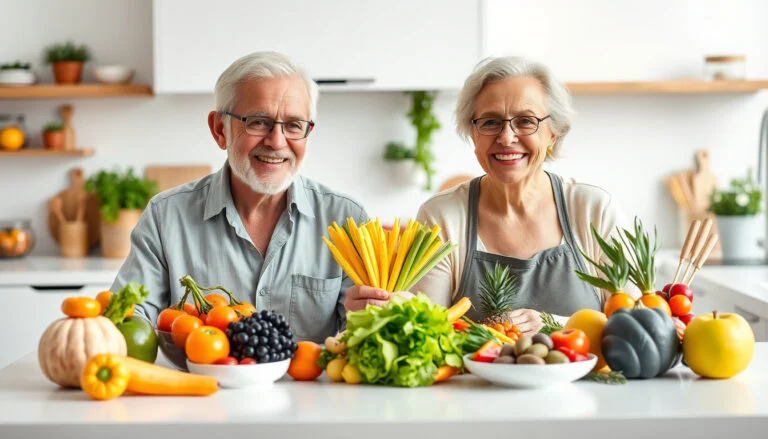

Maintaining gut health as you age is not just about comfort. It is about protecting your digestion, immunity, and energy levels. A healthy gut influences nearly every part of your well-being, from nutrient absorption to mental clarity.
In this article, I will guide you through the most effective ways to keep your gut strong as the years pass. We’ll look at diet, hydration, supplements, lifestyle choices, and medical check-ups. These strategies are easy to follow and proven to work.

Why Gut Health Matters More as You Age
As we get older, our gut goes through natural changes. Digestion slows down, stomach acid decreases, and the balance of good bacteria often shifts. These changes may cause constipation, bloating, or nutrient deficiencies.
However, a healthy gut does much more than digest food. It plays a key role in:
- Immunity: About 70% of your immune system lives in your gut.
- Hormone regulation: A balanced gut supports stable mood and metabolism.
- Vitamin production: Gut bacteria help create vitamins B and K.
- Inflammation control: A healthy gut keeps inflammation in check.
When your gut is balanced, you feel more energetic, sleep better, and recover faster. On the other hand, neglecting gut health can increase the risk of chronic diseases, such as diabetes, obesity, and even dementia.
The Role of Diet in Gut Health for Seniors
Your diet is the single most powerful tool for gut health. What you eat directly feeds your gut bacteria, either helping them thrive or causing imbalance.
Eat More Fiber-Rich Foods
Fiber is food for your gut bacteria. It also adds bulk to stool, preventing constipation. Aim for 25–30 grams of fiber daily from sources like:
- Whole grains (brown rice, oats, quinoa)
- Fruits (berries, pears, apples)
- Vegetables (broccoli, spinach, carrots)
- Legumes (beans, lentils, chickpeas)
Add Fermented Foods
Fermented foods are natural probiotics. They introduce beneficial bacteria that improve digestion and boost immunity. Include options like:
- Yogurt with live cultures
- Kefir
- Sauerkraut
- Kimchi
- Miso soup
Limit Processed and Sugary Foods
Processed foods and excess sugar feed harmful bacteria. Over time, this imbalance may lead to inflammation and poor digestion. Reduce:
- Packaged snacks
- Sugary drinks
- Fast food
- Refined grains (white bread, pastries)

Probiotics and Prebiotics: Essential for Aging Guts
One of the most effective ways to maintain gut health as you age is by combining probiotics and prebiotics.
What Are Probiotics?
Probiotics are live, healthy bacteria that improve digestion and protect against harmful microbes. You can find them in fermented foods or supplements.
What Are Prebiotics?
Prebiotics are fibers that feed probiotics, helping them multiply. Common sources include garlic, onions, bananas, and asparagus.
Benefits of Probiotics and Prebiotics
When combined, they:
- Improve nutrient absorption
- Strengthen the immune system
- Reduce bloating and constipation
- Lower inflammation
- Support mental health through the gut-brain connection
You can support your gut by adding a daily probiotic supplement if your diet lacks fermented foods. For example, this probiotic supplement helps restore balance and ease digestive discomfort.
Disclosure: As an Amazon Associate, I earn from qualifying purchases at no extra cost to you.
Hydration and Its Importance for Gut Function
Water is just as vital for your gut as food. It keeps the digestive system smooth and prevents constipation.
Why Hydration Matters
- Dissolves nutrients for better absorption
- Keeps stools soft and easier to pass
- Supports the gut lining, which protects against toxins
- Helps good bacteria thrive
Tips for Staying Hydrated
Limit alcohol and caffeine, as they dehydrate the body
Drink 8–10 glasses of water daily
Add herbal teas or broths for variety
Eat water-rich foods like cucumbers, melons, and oranges

Stress Management and Gut Health
Stress does not just affect your mind. It directly impacts digestion and gut bacteria. Chronic stress can cause irritable bowel symptoms, indigestion, or even ulcers.
Ways to Reduce Stress for Better Gut Health
- Practice mindfulness: Meditation or deep breathing reduces cortisol, the stress hormone.
- Exercise regularly: Movement releases endorphins that calm both mind and gut.
- Sleep enough: Aim for 7–9 hours nightly to allow your body to repair.
- Engage in hobbies: Activities like gardening, reading, or walking outdoors ease tension.
Physical Activity and Its Benefits for Digestion
Movement is medicine for the gut. Exercise increases circulation, strengthens abdominal muscles, and speeds up digestion.
How Exercise Supports Gut Health
- Encourages food to move smoothly through the intestines
- Prevents constipation
- Improves appetite regulation
- Reduces stress and anxiety, which often harm digestion
Best Activities for Seniors
- Brisk walking
- Swimming or water aerobics
- Yoga or stretching
- Light strength training
If you struggle with fiber intake, try adding a high-fiber snack option like this fiber-rich supplement bar to support digestion alongside regular exercise.

Regular Health Check-Ups and Monitoring Gut Health
Even with the best habits, age can bring unexpected changes. That’s why routine check-ups are critical.
What to Monitor
- Bowel changes: Persistent constipation, diarrhea, or blood in stool
- Nutrient levels: Deficiencies in iron, B12, or vitamin D may signal absorption issues
- Weight changes: Sudden gain or loss can reflect gut problems
- Gut microbiome: Some labs offer gut bacteria analysis for deeper insights
Tools for Tracking Gut Health
- Keep a food and symptom diary
- Schedule annual check-ups with your doctor
- Consider occasional stool or blood tests if advised
Early detection often means easier treatment.
Lifestyle Habits That Support Gut Health
In addition to diet, hydration, and exercise, small daily habits can protect your gut long-term.
- Eat meals at regular times
- Chew food slowly and thoroughly
- Avoid late-night heavy meals
- Limit unnecessary antibiotics, which disrupt gut bacteria
- Quit smoking and limit alcohol
FAQs: Gut Health and Aging
What is gut health and why does it matter as we age?
Gut health is the balance of good and bad bacteria in the digestive tract. As we age, this balance affects digestion, immunity, and energy.
Are probiotics and prebiotics really necessary?
Yes. Probiotics restore healthy bacteria, while prebiotics feed them. Together, they improve digestion and prevent imbalances.
How important is hydration for gut health in older adults?
Hydration is essential. It prevents constipation, supports nutrient absorption, and maintains the gut lining.
Can lifestyle changes really improve gut health at any age?
Absolutely. Diet, exercise, stress management, and sleep all play a direct role in gut health—even later in life.
Conclusion: Take Charge of Your Gut Health Today
Your gut is central to your health, especially as you grow older. The good news is that small, consistent habits can keep it strong. Focus on fiber-rich foods, hydration, probiotics, movement, and stress relief. Monitor your digestion and talk with your doctor about changes.
By caring for your gut, you support your immunity, energy, and quality of life. Start today with one small step—maybe adding a fermented food to your meal or drinking more water. Your future self will thank you.
To make it easier, consider adding this daily probiotic supplement and a fiber-rich snack to your routine for a strong digestive foundation.