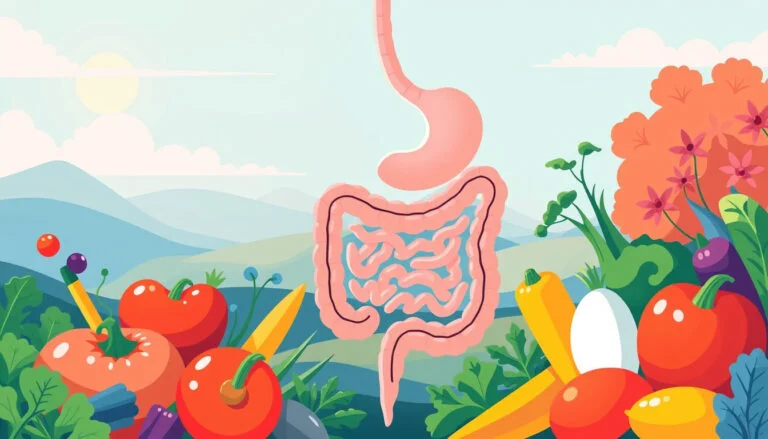

Managing IBS through gut health is one of the most effective ways to reduce discomfort and improve daily life. Irritable Bowel Syndrome (IBS) affects millions of people, and while symptoms vary, most sufferers face ongoing challenges. The good news is that proper gut care—through diet, probiotics, stress management, and lifestyle adjustments—can make a huge difference.
IBS does not have a one-size-fits-all solution. However, when you improve gut health, you address the root of the problem rather than only easing surface symptoms. In this article, I’ll explain what IBS is, how gut health influences it, and the proven strategies that can help you manage it more effectively.

Understanding IBS and Managing IBS Through Gut Health
Irritable Bowel Syndrome (IBS) is a common digestive condition that affects how the gut functions. Unlike structural diseases, IBS does not cause physical damage to the intestines, but the symptoms can still be intense and disruptive.
Common IBS symptoms include:
- Abdominal pain or cramping
- Bloating and excess gas
- Constipation, diarrhea, or alternating between both
- Mucus in the stool
These symptoms often come and go, with some days worse than others. Stress, certain foods, and lifestyle factors can trigger flare-ups.
The exact cause of IBS is not fully understood. However, many experts agree that gut health plays a central role. People with IBS often have imbalances in their gut microbiome, the community of bacteria living in the digestive tract.
Gut Health’s Role in Managing IBS
Your gut contains trillions of bacteria that work together to break down food, absorb nutrients, and protect against harmful organisms. When this balance is disrupted, digestion suffers, and IBS symptoms may worsen.
Why Gut Health Matters for IBS
- Reduced inflammation: A healthy gut microbiome helps keep inflammation under control.
- Better digestion: Balanced bacteria improve the breakdown of food.
- Improved nutrient absorption: A strong gut lining absorbs vitamins and minerals more efficiently.
- Symptom relief: People with IBS often notice fewer flare-ups when their gut health improves.
Practical Steps to Support Gut Health
- Eat probiotic foods: Yogurt, kefir, sauerkraut, and kimchi contain live bacteria that support digestion.
- Include prebiotics: Foods like garlic, onions, and bananas feed good bacteria.
- Choose soluble fiber: Oats, chia seeds, and legumes are easier to digest and reduce irritation.
- Stay hydrated: Water supports bowel movements and prevents constipation.
- Limit processed foods: Highly processed meals can feed harmful bacteria and worsen IBS symptoms.
If probiotic foods are hard to include daily, try a trusted supplement like Align Probiotic, Pro Formula, Probiotics for Women and Men. It contains IBS-friendly strains such as Lactobacillus and Bifidobacterium.
Affiliate Disclaimer: As an Amazon Associate, I may earn from qualifying purchases at no extra cost to you.

Dietary Changes for Managing IBS Through Gut Health
Diet is one of the most direct ways to manage IBS. The foods you eat influence your gut bacteria, digestion speed, and inflammation levels.
Add Fiber the Smart Way
Fiber helps regulate digestion, but too much at once can cause bloating. Increase it gradually and focus on soluble fiber, which is gentler on the intestines. Examples include oats, apples, carrots, and chia seeds.
Identify and Remove Trigger Foods
IBS triggers vary between individuals, but common culprits include:
- Dairy products
- Gluten-containing foods
- High-FODMAP foods (certain fruits, beans, and sweeteners)
Keeping a food diary can help identify patterns. If symptoms worsen after eating a specific item, consider eliminating it.
Use Probiotics for Gut Support
Adding probiotic-rich foods to your meals can reduce bloating and regulate bowel movements. If food sources aren’t enough, supplements can provide targeted support.
For snacks, try the Grandy Organics 10lb Bulk Bag Organic Granola. These are convenient, IBS-friendly, and promote healthy digestion.
Key Takeaway
Managing IBS through gut health requires a balanced diet. Focus on fiber, eliminate personal triggers, and support gut flora with probiotics.
Probiotics for Managing IBS Through Gut Health
Probiotics are live bacteria that can restore balance to your gut. Many IBS sufferers find relief when they add the right strains.
How Probiotics Help IBS
- Restore gut flora: IBS often disrupts bacterial balance, but probiotics can correct it.
- Reduce bloating: Certain strains help decrease gas buildup.
- Regulate bowel movements: Probiotics can ease both constipation and diarrhea.
- Boost immunity: A healthy gut supports your body’s defenses.
Choosing the Right Probiotic
Not all probiotics work the same. Look for:
- Specific strains: Lactobacillus and Bifidobacterium are widely studied for IBS.
- Adequate dosage: Aim for at least 1 billion CFUs per serving.
- Clinical support: Choose products backed by research.
Best Ways to Add Probiotics
Introduce them slowly to avoid initial bloating.
Eat fermented foods like kefir, sauerkraut, and kimchi.
Take supplements if food sources are inconsistent.

Stress Management Techniques for Managing IBS Through Gut Health
The gut and brain are closely connected through the gut-brain axis. Stress often worsens IBS symptoms, so learning how to manage it is essential.
Effective Stress-Relief Strategies
- Mindfulness: Practicing meditation or mindful breathing can calm the nervous system.
- Exercise: Walking, yoga, or light workouts improve gut motility and reduce anxiety.
- Journaling: Writing about triggers and feelings helps you process stress.
- Deep breathing: Techniques like the 4-7-8 method lower cortisol and relax the gut.
- Social support: Talking with friends, family, or IBS support groups provides emotional relief.
When stress levels decrease, digestion improves. As a result, IBS symptoms often become easier to control.
Lifestyle Modifications for Managing IBS Through Gut Health
Diet and stress management are important, but lifestyle habits also matter. Small changes can lead to major improvements.
Daily Routines That Help
- Eat at regular times: Consistency keeps digestion steady.
- Stay active: Moderate exercise helps regulate bowel movements.
- Sleep well: Aim for 7–9 hours of rest each night. Poor sleep can worsen gut issues.
- Stay hydrated: Water helps digestion, while excess caffeine and alcohol can trigger flare-ups.
- Keep a symptom journal: Tracking patterns makes it easier to manage triggers.
These adjustments may seem simple, but over time they help reduce IBS flare-ups and improve overall quality of life.

Consulting Healthcare Professionals for Managing IBS Through Gut Health
Self-management is powerful; however, professional guidance ensures your approach is both safe and effective. Additionally, healthcare professionals can provide tailored advice that addresses your unique needs.
Who Can Help
- Gastroenterologists: Experts in digestive health who can diagnose and treat IBS. For example, they may perform tests to rule out other conditions.
- Dietitians: Provide personalized meal plans that support gut health. In contrast to generic diets, their guidance considers your specific triggers.
- Therapists: Help manage stress and anxiety, which often worsen IBS. Similarly, addressing mental health can indirectly improve gut function.
What to Discuss with Professionals
- Share your symptom journal: This allows doctors to identify patterns and triggers more accurately.
- Be open about all symptoms: Both digestive and non-digestive symptoms matter. As a result, your provider can give more comprehensive care.
- Ask about dietary approaches: Diets such as low-FODMAP can be highly effective for managing IBS through gut health.
- Explore medication if needed: Sometimes, lifestyle changes alone are not enough.
- Discuss stress-reduction techniques: Mindfulness, meditation, and other strategies can complement gut-focused treatment.
Ultimately, getting professional help can save time, reduce frustration, and prevent long-term complications. Therefore, combining self-care with expert guidance is the most effective way of managing IBS through gut health.
Frequently Asked Questions
What is IBS and what are its common symptoms?
IBS is a functional digestive disorder that can cause pain, bloating, diarrhea, constipation, and gas. In addition, symptoms often fluctuate, making daily life unpredictable for sufferers.
How does gut health impact IBS management?
A balanced microbiome improves digestion, nutrient absorption, and reduces inflammation. As a result, maintaining gut health can directly ease IBS symptoms and improve overall comfort.
What dietary changes can help IBS?
Increasing soluble fiber, avoiding trigger foods, and adding probiotic-rich foods can help manage IBS. For example, following a low-FODMAP diet under professional guidance often reduces flare-ups.
Do probiotics really help with IBS?
Yes, certain probiotic strains can reduce bloating, regulate bowel habits, and restore gut flora balance. Similarly, combining probiotics with prebiotic foods enhances their effectiveness.
When should I see a healthcare professional?
If symptoms are severe, persistent, or unmanageable with lifestyle changes, professional help is recommended. Meanwhile, keeping a symptom journal can help your doctor provide more accurate advice.
Final Thoughts
Managing IBS through gut health is a long-term commitment; however, managing IBS through gut health correctly pays off with reduced symptoms and improved well-being. Additionally, by combining smart dietary choices, probiotics, stress relief, and healthy routines, you can take control of your gut health. As a result, managing IBS through gut health can become a consistent and manageable part of your daily life.
Remember, progress is gradual. Small, consistent changes add up. If you need extra support, don’t hesitate to consult a healthcare professional.
Take the first step today—your gut will thank you.