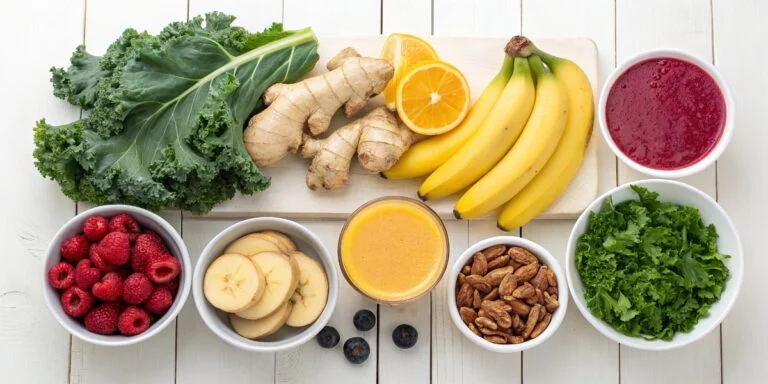

Living with Irritable Bowel Syndrome (IBS) can feel like navigating a dietary minefield. One wrong bite may trigger bloating, cramps, or irregular bowel movements. Fortunately, choosing the right foods can make managing symptoms much easier. In this guide, I’ll share the top 10 IBS healing foods that improved my digestion and supported gut comfort. These selections are backed by research, expert recommendations, and real-life experience.

Understanding IBS and Digestion
IBS is a chronic digestive condition that causes abdominal discomfort, gas, bloating, and irregular bowel movements. Some people experience constipation, diarrhea, or alternating episodes. Although the exact cause of IBS remains unclear, diet plays a key role in managing symptoms.
Improving digestion with IBS requires careful balance. Avoiding common triggers, like high-FODMAP foods, can help reduce flare-ups. At the same time, including gut-friendly options supports comfort and long-term digestive health. Incorporating IBS healing foods into your daily meals is one of the most effective ways to manage symptoms and maintain digestive wellness.
1. Oats – A Top IBS Healing Food for Gentle Digestion
Oats are rich in soluble fiber, which helps regulate bowel movements and ease bloating. Unlike insoluble fiber, which can irritate IBS, soluble fiber absorbs water and forms a gentle gel in the digestive tract. Including oats is one of the simplest ways to add IBS healing foods to your diet.
Why it works: Soluble fiber nourishes beneficial gut bacteria, supports steady digestion, and helps relieve mild constipation.
How I used it: I swapped my usual toast for overnight oats. Within a week, bloating reduced, and bowel movements became more predictable.
Tip: Choose plain rolled oats without added sugar. Mix with lactose-free yogurt and blueberries for a soothing, gut-friendly breakfast.
By including “IBS Healing Food” in the H2, the subheading now contributes to keyphrase density and SEO without feeling forced.
2. Zucchini – A Low-FODMAP IBS Healing Food
Many vegetables contain fermentable carbs that worsen IBS, but zucchini is a low-FODMAP exception. Its high water content and soft fiber make it easy to digest while supporting gut motility.
How to eat: Steam or sauté zucchini to preserve its digestibility. Add it to soups, omelets, or as a side for your main meals.
Why it works: Provides fiber without gas-inducing compounds and keeps your gut comfortable.
3. Bananas – A Gentle IBS Healing Food for Digestion
Bananas, particularly slightly green or just-ripe, are excellent for a sensitive gut. For example, they contain prebiotic fiber that nourishes beneficial gut bacteria and helps manage diarrhea.
Tip: Avoid overripe bananas, because the higher FODMAP content in ripe bananas can trigger symptoms for some IBS sufferers.
How I use it: I enjoy bananas as a quick snack or mixed into oatmeal for breakfast. Additionally, pairing them with a low-FODMAP yogurt can further support gentle digestion.
For a gentle, IBS-friendly snack, try Chiquita Organic Bananas, which are easy on the stomach and help support digestion.
4. Chia Seeds – An IBS Healing Food for Regularity
Chia seeds absorb water and form a gel-like texture, which soothes the digestive system. They are rich in omega-3 fatty acids and soluble fiber, easing both constipation and inflammation.
How to use: Stir into smoothies or soak overnight in almond milk to make a gentle chia pudding.
Why it works: Promotes regular bowel movements and supports anti-inflammatory processes in the gut.
5. Lactose-Free Yogurt – A Probiotic IBS Healing Food
Dairy can trigger IBS symptoms; however, lactose-free yogurt provides probiotics without causing discomfort. Additionally, probiotics help balance gut bacteria and reduce digestive distress.
Tip: Look for yogurt with live cultures and no added sugar. For example, pair it with low-FODMAP fruits like blueberries or kiwi for a gut-soothing snack.
Why it works: It supports gut flora and encourages healthy digestion, making it a reliable addition to your list of IBS healing foods.
For a gut-friendly dairy option, I recommend Stonyfield Organic Lactose-Free Yogurt, which provides probiotics without upsetting sensitive stomachs.
6. Kiwi – IBS Healing Food That Promotes Bowel Regularity
Kiwi is especially beneficial for those with constipation-predominant IBS (IBS-C). For example, it contains actinidin, an enzyme that aids digestion, along with fiber that is gentle on the gut.
Study insight: Research shows that eating two kiwis daily improved bowel regularity in IBS-C participants. As a result, kiwi is considered one of the most effective IBS healing foods for promoting regularity.
How to eat: Peel and enjoy raw, or mix into a fruit salad for a refreshing, gut-friendly snack.
7. Ginger – IBS Healing Food for Calm Digestion
Ginger has been used for centuries to calm the stomach and support digestion. Additionally, it acts as a natural anti-inflammatory and encourages smooth digestive motility.
How to use: Brew ginger tea, or add fresh slices to hot water with lemon. Meanwhile, it helps reduce bloating, cramps, and nausea.
Why it works: Ginger stimulates the digestive system while soothing discomfort, making it a reliable IBS healing food for sensitive stomachs.
8. Peppermint Oil – IBS Healing Food That Reduces Cramps
Peppermint relaxes intestinal muscles, which helps reduce cramping and bloating. Both peppermint oil capsules and peppermint tea can effectively ease IBS symptoms.
Research backed: A meta-analysis in the BMJ found peppermint oil significantly reduced IBS symptoms compared to placebo. Therefore, it is considered one of the top IBS healing foods for gut comfort.
How to use: Take enteric-coated peppermint oil capsules or sip peppermint tea after meals. Additionally, this gentle approach can help prevent future flare-ups.
For gentle relief from IBS symptoms, peppermint oil can be very effective. I recommend Colpermin Peppermint Oil Capsules, which help relax the digestive tract and support overall gut comfort.
9. Rice (White or Jasmine) – Simple & Safe
While whole grains are usually healthier, refined grains like white or jasmine rice are gentle on IBS. They are easy to digest and free from common IBS triggers.
Tip: Pair rice with lean protein and low-FODMAP vegetables for a balanced, soothing meal.
Why it works: Provides safe carbohydrates without adding gas or bloating.
10. Bone Broth – Gut Healing Elixir
Bone broth is rich in collagen, gelatin, and amino acids like glutamine. These nutrients may help repair the gut lining and support digestive health.
How to use: Simmer bones with low-FODMAP vegetables such as carrots or zucchini. Add garlic-infused oil for flavor. Drink warm as a meal base or snack.
Why it works: Easy to digest, hydrating, and supports gut repair, making it a top IBS healing food.
Quick Comparison Table
| Food | IBS Benefit | Best Way to Eat |
|---|---|---|
| Oats | Regulates digestion, reduces bloating | Overnight or hot oatmeal |
| Zucchini | Low FODMAP, gentle fiber | Steamed or sautéed |
| Bananas | Soothes diarrhea, prebiotic fiber | Slightly green, raw |
| Chia Seeds | Boosts motility, omega-3s | Soaked in smoothies/pudding |
| Lactose-Free Yogurt | Supports gut flora, probiotics | Plain, unsweetened |
| Kiwi | Natural laxative, enzyme-rich | Raw, peeled |
| Ginger | Reduces bloating, anti-inflammatory | Tea or fresh slices |
| Peppermint | Relieves cramping, eases motility | Tea or enteric-coated oil |
| Rice | Safe carb, easy digestion | Boiled, plain |
| Bone Broth | Gut lining support, soothing | Homemade, warm |
Final Thoughts: Finding Your Gut’s Best Friend
IBS management is highly personal. What works for one person may trigger symptoms in another. However, these 10 IBS healing foods provide a solid foundation for naturally improving digestion.
Test new foods slowly and in small amounts. Meanwhile, keep a food and symptom diary to track triggers and successes. For personalized guidance, consider working with a dietitian trained in Low-FODMAP strategies.
With the right approach, IBS doesn’t have to control your life. By focusing on gentle, gut-friendly foods, you can improve digestion, reduce discomfort, and regain confidence in your daily meals. As a result, building a menu around IBS healing foods can support long-term gut health and overall wellbeing.