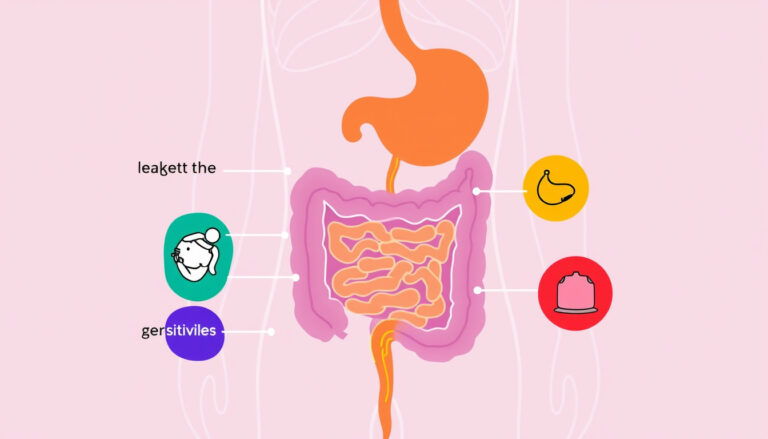

Leaky gut is more common than many people realize. Recognizing the signs and symptoms of leaky gut can help prevent serious health issues. This condition, also called increased intestinal permeability, occurs when the lining of your gut becomes damaged. As a result, undigested food particles, toxins, and bacteria may enter your bloodstream.
Understanding these symptoms early allows you to take steps to restore gut health and prevent complications like autoimmune disorders, digestive problems, and skin issues. In this guide, I will cover causes, symptoms, diagnosis, and effective treatment options for leaky gut.

What is Leaky Gut?
Leaky gut, medically known as increased intestinal permeability, happens when the tight junctions in your gut lining weaken. Normally, these junctions control what passes from your intestines into your bloodstream. When they become loose, harmful substances can leak through.
This leakage can trigger inflammation and immune system reactions. Over time, it may contribute to a variety of health problems. Understanding leaky gut is essential because its signs and symptoms can be subtle and easily overlooked.
Why It Matters
Many people dismiss gut issues as minor digestive discomfort. However, leaky gut affects not just digestion but also overall health. For example, it may worsen autoimmune conditions, cause skin problems, or lead to chronic fatigue. Identifying symptoms early can help prevent these outcomes.
Causes and Triggers of Leaky Gut: Signs and Symptoms of Leaky Gut
Leaky gut does not develop overnight. Instead, several factors gradually damage the intestinal lining. By understanding these causes, you can better prevent and manage the signs and symptoms of leaky gut.
Poor Diet as a Cause of Leaky Gut
Processed foods, refined sugars, and excessive alcohol can irritate the gut lining. Consequently, these dietary habits may inflame your intestines, increasing permeability. As a result, long-term poor nutrition can trigger leaky gut symptoms.
Chronic Stress and Its Role in Leaky Gut
High stress levels release hormones that directly affect digestion. In addition, stress can worsen gut inflammation and weaken the intestinal barrier. Therefore, individuals under constant stress may become more susceptible to leaky gut.
Infections That Contribute to Leaky Gut
Bacterial, viral, or yeast infections can disrupt gut flora balance. Moreover, this imbalance damages the intestinal lining, increasing permeability. As a result, infections can trigger digestive and systemic signs and symptoms of leaky gut.
Medications That Affect Gut Health
Certain medications, such as NSAIDs or long-term antibiotics, can harm beneficial gut bacteria. Additionally, they may directly irritate the intestinal lining. Consequently, these drugs can worsen or trigger leaky gut symptoms over time.
Food Sensitivities as a Trigger for Leaky Gut
Common triggers like gluten and dairy can inflame the gut lining. Therefore, if you experience digestive discomfort after eating these foods, it may indicate increased intestinal permeability. Moreover, repeated exposure can exacerbate systemic symptoms such as fatigue or skin issues.

Common Signs and Symptoms of Leaky Gut
Leaky gut can affect multiple systems in your body. While digestive issues are often the most obvious, symptoms may appear elsewhere.
Digestive Symptoms
Digestive issues are often the first signs to appear. They include:
-
Bloating and Gas: Feeling uncomfortably full or gassy after meals.
-
Diarrhea or Constipation: Irregular bowel habits indicate gut imbalance.
-
Cramping: Abdominal pain or discomfort after eating certain foods.
-
Food Intolerances: Developing sensitivities to foods previously tolerated.
-
Heartburn: Acid reflux may worsen due to inflammation in the intestines.

Systemic Symptoms of Leaky Gut
In addition to digestive problems, leaky gut can trigger systemic symptoms throughout the body. Recognizing these early signs and symptoms of leaky gut is essential for overall health.
-
Fatigue: Chronic tiredness that does not improve with sleep is often one of the first indicators. Consequently, daily activities may feel more exhausting than usual.
-
Skin Issues: Conditions like acne, eczema, rashes, or rosacea may reflect gut inflammation. Similarly, worsening skin problems can signal an underlying digestive imbalance.
-
Joint Pain: Inflammation caused by toxins entering the bloodstream can affect joints. As a result, some people experience stiffness or discomfort without clear injury.
-
Autoimmune Conditions: Leaky gut may worsen autoimmune disorders such as Hashimoto’s or rheumatoid arthritis. Therefore, early detection can help prevent progression.
-
Mood Changes: Anxiety or depression may arise due to the gut-brain connection. Additionally, neurotransmitter imbalances linked to gut health can influence mental well-being.
Other Related Conditions Associated with Leaky Gut
Leaky gut often overlaps with several related conditions. For example:
-
Irritable Bowel Syndrome (IBS): Digestive discomfort may worsen when intestinal permeability increases.
-
Chronic Fatigue Syndrome (CFS): Fatigue is commonly linked to systemic inflammation from leaky gut.
-
Food Allergies or Sensitivities: Undigested food particles can trigger new sensitivities, complicating diet and nutrition.
Recognizing these signs and symptoms of leaky gut allows for early intervention. Consequently, you can take steps to improve gut function and overall wellness.
How to Diagnose Leaky Gut: Identifying Signs and Symptoms
Diagnosing leaky gut is not always straightforward because its symptoms can mimic other conditions. However, several approaches can help pinpoint increased intestinal permeability effectively.
Symptom Assessment
Initially, your healthcare provider will review your symptoms carefully. For instance, chronic digestive discomfort, fatigue, or skin issues may point toward leaky gut. Additionally, discussing lifestyle habits, diet, and stress levels helps create a clearer picture.
Laboratory Tests to Confirm Leaky Gut
Several medical tests can provide confirmation:
-
Intestinal Permeability Test: Measures how effectively your gut lining prevents harmful substances from entering the bloodstream.
-
Comprehensive Stool Analysis: Evaluates gut flora balance, bacterial populations, and potential infections.
-
Blood Tests: Identify food sensitivities, inflammatory markers, and abnormal immune responses.
Together, these tests can help determine the severity of intestinal permeability and guide treatment.
Why Early Diagnosis of Leaky Gut Matters
Detecting leaky gut early is critical to preventing long-term complications. For example, chronic inflammation can affect multiple systems, including the skin, joints, and mental health. Moreover, early identification allows for targeted interventions that reduce symptoms and restore gut function more effectively.

Treatment and Management Options for Leaky Gut: Signs and Symptoms of Leaky Gut
Treating leaky gut focuses on healing the intestinal lining, restoring gut flora, and reducing inflammation. Understanding the signs and symptoms of leaky gut helps guide effective treatment. A combination of diet, supplements, and lifestyle changes works best for recovery.
Dietary Changes to Address Signs and Symptoms of Leaky Gut
Food choices play a critical role in managing leaky gut. Following these steps can help restore intestinal health:
-
Elimination Diet: Temporarily remove gluten, dairy, and refined sugars to reduce gut inflammation.
-
Add Gut-Healing Foods: Incorporate probiotic-rich foods like yogurt and fermented vegetables. Include prebiotics such as garlic, onions, and asparagus to nourish gut bacteria.
-
Stay Hydrated: Drinking enough water supports the mucosal lining and overall digestive function.
Supplements That Support Healing for Leaky Gut Symptoms
Certain supplements can accelerate gut repair and reduce the signs and symptoms of leaky gut:
-
L-Glutamine: An amino acid that helps repair the intestinal lining.
-
Zinc: Supports immune function and strengthens gut walls.
-
Probiotics: Restore healthy gut bacteria balance and reduce inflammation.
Lifestyle Modifications to Improve Signs and Symptoms of Leaky Gut
Lifestyle habits play a major role in gut health. Incorporate these strategies to support recovery:
-
Stress Management: Meditation, deep breathing, and yoga reduce gut inflammation.
-
Regular Exercise: Moderate physical activity improves digestion and lowers stress levels.
-
Sleep: Prioritize 7–9 hours of sleep to optimize healing and immune function.
Tips for Preventing Leaky Gut and Reducing Symptoms
Preventing leaky gut is often easier than reversing it. Adopting these habits helps maintain a healthy intestinal lining and reduce recurring symptoms:
-
Eat a whole-food diet rich in fiber, healthy fats, and vegetables.
-
Limit alcohol and processed foods.
-
Manage stress through mindfulness, yoga, or regular physical activity.
-
Avoid unnecessary antibiotics and NSAIDs when possible.
-
Maintain a consistent sleep schedule.
By proactively supporting gut health, you reduce the risk of chronic inflammation and systemic issues.
Frequently Asked Questions About Signs and Symptoms of Leaky Gut
What is leaky gut?
Leaky gut occurs when the intestinal lining becomes damaged. Toxins, bacteria, and undigested food can enter the bloodstream, triggering inflammation.
What are the common signs of leaky gut?
Common signs include bloating, gas, fatigue, skin problems, joint pain, food sensitivities, and mood changes.
What digestive symptoms are linked to leaky gut?
Digestive issues can include diarrhea, constipation, IBS, cramping, and heartburn.
How can leaky gut be diagnosed?
Diagnosis involves symptom assessment, intestinal permeability tests, stool analysis, and blood tests for inflammation or food sensitivities.
What treatment options are available for leaky gut?
Treatment includes dietary changes, supplements such as probiotics and L-glutamine, and lifestyle modifications like stress management and regular exercise.
Conclusion: Recognizing and Managing the Signs and Symptoms of Leaky Gut
Identifying the signs and symptoms of leaky gut is the first step toward better health. Digestive issues, skin problems, fatigue, and autoimmune conditions may all be linked to a compromised gut lining.
Addressing leaky gut requires consistent dietary changes, supplementation, and lifestyle improvements. Early detection can restore gut health, reduce inflammation, and improve overall wellness.
If you notice these symptoms, consult a healthcare professional. Taking action now helps prevent long-term complications and supports a healthier, happier life.
Call to Action: Stay proactive about your gut health. Subscribe to our newsletter for tips, insights, and expert advice on maintaining a healthy digestive system.