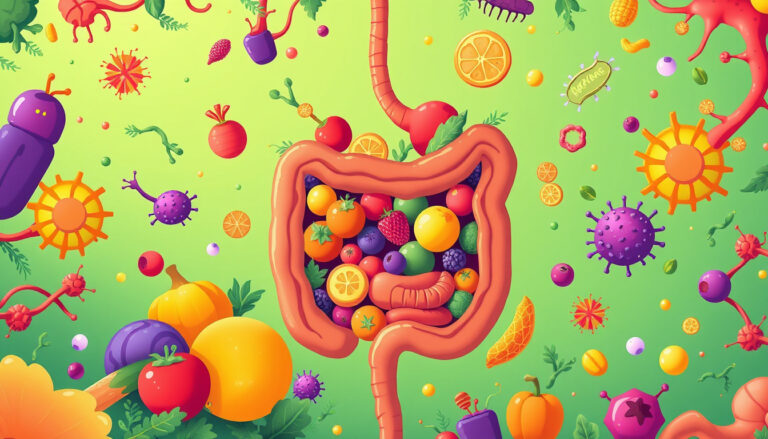

Digestive health shapes how well your body feels each day. When your gut is balanced, you absorb nutrients better, feel less bloated, and enjoy steady energy. Prebiotics for digestive wellness are one of the simplest ways to reach that balance. These special fibers feed good gut bacteria, improving digestion, boosting immunity, and supporting long-term health.

What Are Prebiotics?
Prebiotics are non-digestible fibers found in certain plant foods. Unlike regular carbohydrates, your body cannot break them down. Instead, they pass through the digestive tract and act as food for beneficial bacteria in the colon.
When these bacteria feed on prebiotics, they produce short-chain fatty acids (SCFAs). These compounds lower gut inflammation, improve bowel regularity, and strengthen the immune system.
Common prebiotic sources include garlic, onions, bananas, leeks, asparagus, and whole grains. Adding these foods daily can reshape your gut health.
Why Prebiotics for Digestive Wellness Are Essential
Your gut microbiome is a complex system of bacteria, fungi, and other microorganisms. A healthy balance supports digestion and protects against harmful invaders. Prebiotics provide the fuel these good microbes need to thrive.
How Prebiotics Improve Gut Health
When your microbiome is balanced, you notice:
-
Smoother digestion: less bloating, gas, and discomfort.
-
Better nutrient absorption: vitamins and minerals are absorbed more efficiently.
-
Improved immunity: fewer infections and stronger defenses.
-
Stable energy levels: fewer sugar crashes and cravings.
Risks of Low Prebiotic Intake
In contrast, a lack of prebiotics can weaken your gut, leading to constipation, low energy, and higher risk of illness.

The Science Behind Prebiotics for Digestive Wellness
Research consistently shows that prebiotics help create a diverse and balanced gut microbiome. In addition, a diverse microbiome means you have a wide variety of beneficial bacteria working together, which is essential for digestive wellness.
How Prebiotics for Digestive Wellness Work
-
Fermentation Process – Prebiotics reach the colon intact, where bacteria ferment them.
-
SCFA Production – This fermentation produces short-chain fatty acids (SCFAs) such as butyrate, acetate, and propionate. As a result, these compounds support gut health.
-
Health Benefits – SCFAs reduce gut inflammation, protect the intestinal lining, and improve overall digestion. Moreover, they help maintain a healthy gut environment.
Key Scientific Findings About Prebiotics and Gut Health
-
Prebiotics reduce constipation by increasing stool bulk and water content.
-
They may lower markers of gut inflammation.
-
They enhance calcium and magnesium absorption, supporting bone health.
-
They boost immune activity, lowering infection risk.
Therefore, including prebiotics regularly can improve both digestion and overall wellness.
Benefits of Prebiotics for Digestive Wellness
1. Enhances Gut Flora Balance
Prebiotics fuel the growth of beneficial bacteria such as Bifidobacteria and Lactobacillus. As a result, a healthy balance prevents harmful bacteria from dominating and supports better digestion.
2. Supports Digestive Regularity
By improving stool consistency, prebiotics help prevent constipation and irregular bowel movements. Additionally, they can make bathroom habits more predictable and comfortable.
3. Reduces Gut Inflammation
SCFAs produced during fermentation reduce irritation in the digestive tract. For example, people with sensitive stomachs or mild gut issues may notice less bloating and discomfort.
4. Boosts Nutrient Absorption
A balanced microbiome improves absorption of vitamins and minerals. Consequently, you gain more energy, stronger bones, and better overall health.
5. Strengthens Gut-Immune Connection
Around 70% of your immune system is located in your gut. Therefore, prebiotics support immune cells and help your body fight infections more effectively. In addition, a healthy gut can improve resistance to common illnesses.

How to Add Prebiotics for Digestive Wellness to Your Diet
Adding prebiotics to your meals is simple. However, the goal is consistency, not perfection. Start with small amounts and increase slowly to avoid discomfort. In addition, gradual changes help your gut adjust naturally.
Easy Ways to Include Prebiotics Daily
-
Garlic and Onions – Use them in sauces, soups, or stir-fries. For example, sauté onions with garlic for a flavorful side dish.
-
Bananas – Slightly green bananas provide higher prebiotic fiber. Also, they make a quick and healthy snack.
-
Whole Grains – Swap white bread or rice for oats, barley, or whole wheat. As a result, you increase fiber intake effortlessly.
-
Asparagus and Artichokes – Roast or grill for flavor while boosting gut health.
-
Legumes – Add beans and lentils to salads, soups, or tacos. In addition, they provide protein and fiber.
-
Chicory Root – Try it in coffee substitutes or smoothies for a concentrated prebiotic boost.
Tips for Success with Prebiotics and Gut Health
-
Increase intake slowly to reduce gas or bloating.
-
Pair prebiotics with probiotics (fermented foods like yogurt or kimchi) for maximum benefits. Meanwhile, your gut receives both fuel and live bacteria.
-
Stay hydrated, since fiber works best when combined with water. Also, drinking water can prevent constipation.
Common Food Sources of Prebiotics for Digestive Wellness
Here are some of the best foods rich in prebiotic fibers:
-
Garlic – Contains inulin, which fuels beneficial bacteria.
-
Onions – Rich in prebiotic compounds and easy to add to meals.
-
Asparagus – High in fiber, supports bacterial growth.
-
Bananas – Especially unripe ones, provide resistant starch.
-
Oats – Contain beta-glucans and resistant starch.
-
Chicory Root – One of the most concentrated sources of inulin.
-
Jerusalem Artichokes – Loaded with prebiotic fiber and tasty when roasted.
In addition, these foods are widely available and easy to add to everyday meals. As a result, you can support your digestive wellness consistently.
Potential Side Effects of Prebiotics for Digestive Wellness
Prebiotics are safe for most people, however, eating large amounts too quickly may cause gas, bloating, or stomach cramps. These symptoms usually fade as your gut adjusts.
To minimize discomfort:
-
Start with small servings.
-
Spread intake across meals.
-
Drink plenty of water.
-
If you have chronic gut conditions, consult a healthcare provider before adding high amounts of prebiotics.
Overall, gradually incorporating prebiotics allows your gut to adapt and ensures long-term digestive wellness.

Frequently Asked Questions About Prebiotics for Digestive Wellness
What are prebiotics and how do they work?
Prebiotics are fibers that your body cannot digest. Instead, they serve as food for beneficial gut bacteria. As a result, these bacteria grow and help improve gut balance and overall digestive wellness.
What are the main benefits of prebiotics?
Prebiotics support digestion, prevent constipation, and reduce gut inflammation. Additionally, they strengthen immunity and boost nutrient absorption. Therefore, including them regularly can improve both gut and overall health.
How can I add prebiotics to my diet?
You can eat more garlic, onions, bananas, asparagus, oats, and legumes. For example, adding garlic to sauces or bananas as a snack is an easy start. Also, prebiotic supplements are an option if food sources are limited.
Are there side effects?
Some people may experience gas or bloating when they first increase prebiotic intake. However, these symptoms usually fade as your gut adjusts. To minimize discomfort, start with small amounts and gradually increase.
Who benefits from prebiotics?
Anyone looking to improve digestion, immunity, or energy levels can benefit. In particular, people on low-fiber diets often notice the biggest improvements. Ultimately, prebiotics are suitable for most adults seeking better gut health.
Conclusion: Embracing Prebiotics for Better Gut Health
Prebiotics are one of the simplest and most effective ways to support digestive wellness. By feeding good gut bacteria, they help balance your microbiome, improve nutrient absorption, and boost immunity.
In addition, adding prebiotic-rich foods such as garlic, onions, bananas, and oats to your meals is a practical step toward better gut health. Even small daily changes can create lasting improvements over time.
Finally, start today by choosing one prebiotic food and making it part of your routine. As a result, your digestion, energy, and overall wellness will steadily improve, supporting long-term health.