
Maintaining a healthy gut depends on a balance of good bacteria and prebiotic fibers. These two components work together to support digestion, boost immunity, and improve overall health. Many people are unsure how they differ or which one their gut needs most. In this article, I explain how good bacteria and prebiotic fibers function and how to include both in your diet for optimal gut health.
Understanding these terms is key to nurturing beneficial bacteria in your gut. A balanced gut can impact digestion, immunity, mental health, and even nutrient absorption. Let’s explore how probiotics and prebiotics function and how to use them effectively.

Understanding Probiotics: Definition and Benefits
Probiotics are live microorganisms, often called “good bacteria,” that provide health benefits when consumed. They help maintain a balanced gut microbiota, which is crucial for digestive health and overall wellbeing.
Key Benefits of Probiotics
- Improved Digestion: Probiotics can reduce digestive issues such as bloating, constipation, diarrhea, and irritable bowel syndrome (IBS).
- Enhanced Immunity: A healthy gut supports the immune system by preventing harmful bacteria from taking over.
- Mental Health Support: Emerging research suggests probiotics may reduce anxiety and depression by improving gut-brain communication.
- Nutrient Absorption: Probiotics assist in breaking down food, making vitamins and minerals easier to absorb.
Common sources include yogurt, kefir, sauerkraut, kimchi, miso, and certain cheeses. You can also take probiotic supplements to boost gut flora, especially after antibiotics.
What Are Prebiotics? A Comprehensive Overview
Prebiotics are non-digestible fibers that feed the beneficial bacteria in your gut. Think of them as fertilizer that nourishes probiotics. Without prebiotics, probiotics cannot thrive effectively.
Sources of Prebiotics
Prebiotics are found in plant-based foods such as:
- Garlic
- Onions
- Leeks
- Bananas
- Asparagus
- Whole grains
These fibers pass through your digestive system mostly undigested, reaching the colon, where they stimulate the growth and activity of beneficial bacteria.
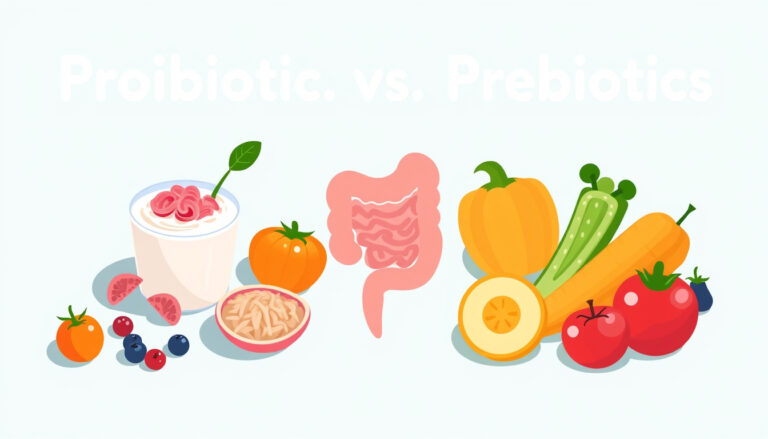
Probiotics vs Prebiotics: Key Differences
Understanding the differences between probiotics and prebiotics can help you decide which is most important for your health goals.
| Feature | Probiotics | Prebiotics |
|---|---|---|
| Function | Introduce beneficial bacteria | Feed and support existing bacteria |
| Sources | Fermented foods, supplements | Fiber-rich plant foods |
| Benefits | Improve digestion, boost immunity, support mental health | Enhance gut flora growth, increase mineral absorption, regulate hormones |
In short, probiotics add good bacteria, while prebiotics feed the bacteria already in your gut. Both work together to maintain a healthy gut microbiome.
When to Support Your Gut with Good Bacteria and Prebiotic Fibers
Knowing when to focus on good bacteria and prebiotic fibers can help you improve digestion, immunity, and overall wellbeing.
When to Choose Probiotics for Good Bacteria
You may benefit from probiotics in these situations:
- After Antibiotics: Antibiotics can reduce beneficial gut bacteria. Probiotics help restore balance.
- Digestive Issues: Bloating, diarrhea, or constipation may improve with probiotics.
- Immune Support: Strengthening good bacteria can boost your body’s defenses against infections.
Tips for Using Probiotics
- Include fermented foods such as yogurt, kefir, or kimchi.
- Consider supplements if dietary sources are insufficient.
- Choose strains targeting your digestive or immune needs.
When to Choose Prebiotics for Fiber Support
Prebiotics are ideal for long-term gut health and nourishing existing good bacteria.
- Support Gut Flora Growth: Prebiotic fibers encourage the growth of beneficial microbes.
- Improve Digestive Regularity: Fiber-rich prebiotics help reduce constipation.
- Enhance Nutrient Absorption: Prebiotic fibers aid in absorbing minerals like calcium and magnesium.
Tips for Using Prebiotics
- Add fiber-rich foods to daily meals.
- Gradually increase intake to prevent bloating or gas.
- Combine with probiotics for maximum effectiveness.
Combining Good Bacteria and Prebiotic Fibers
Using probiotics and prebiotics together creates a synergistic effect called synbiotics. This combination maximizes benefits:
- Probiotics restore balance in gut flora.
- Prebiotic fibers nourish these bacteria, helping them thrive.
- Together, they reduce bloating, improve bowel movements, and strengthen the gut barrier.
Practical Ways to Incorporate Both
- Breakfast: Yogurt with bananas or oats.
- Lunch: Fermented vegetables like sauerkraut with whole grains.
- Snacks: Garlic hummus or onion-rich salads.
- Supplements: Consider high-quality probiotic or prebiotic supplements if needed.

The Role of Good Bacteria and Prebiotic Fibers in Overall Wellbeing
A healthy gut impacts far more than digestion alone. Incorporating good bacteria and prebiotic fibers into your diet supports many aspects of overall health, including immunity, mood, metabolism, and skin.
Immune System Support
A balanced gut microbiome, fueled by good bacteria and prebiotic fibers, helps prevent infections. By supporting your gut flora, these nutrients strengthen your body’s defenses against harmful pathogens and illness.
Mood and Mental Health
Gut microbes produce neurotransmitters that influence emotions and mental wellbeing. Therefore, nurturing them with probiotics and prebiotic fibers can reduce stress, improve mood, and support overall emotional balance.
Metabolism and Weight Management
The combination of good bacteria and prebiotic fibers affects how your body processes energy, stores fat, and burns calories. Consequently, a healthy gut can help you maintain a balanced weight and improve metabolic health over time.
Skin Health
An imbalanced gut can trigger inflammation, acne, and other skin issues. Supporting your microbiome with probiotics and prebiotic fibers promotes clear, healthy skin by reducing gut-related inflammation.
In short, consistently including good bacteria and prebiotic fibers in your diet is an investment in long-term wellbeing. These nutrients work together to keep your digestive system, immune system, and overall health functioning optimally.
Key Differences Between Good Bacteria and Prebiotic Fibers
Understanding the distinction between adding good bacteria and nourishing them with prebiotic fibers allows you to make smarter dietary choices. Both are essential, but they serve complementary purposes.
| Feature | Good Bacteria (Probiotics) | Prebiotic Fibers (Prebiotics) |
|---|---|---|
| Function | Introduce beneficial bacteria | Feed and support existing bacteria |
| Sources | Fermented foods, supplements | Fiber-rich plant foods |
| Benefits | Improve digestion, boost immunity, support mental health | Enhance gut flora growth, increase mineral absorption, regulate hormones |
In summary, good bacteria introduce beneficial microbes into your gut, while prebiotic fibers feed and maintain these bacteria. Together, they cultivate a balanced gut microbiome, improve digestion, support immunity, and enhance overall wellbeing.

Knowing when to focus on good bacteria and prebiotic fibers can improve your gut health.
When to Choose Probiotics for Good Bacteria
Supporting your gut with good bacteria and prebiotic fibers starts with understanding when to focus on probiotics. Probiotics are live microorganisms that restore and maintain healthy gut flora. You may benefit from probiotics in these situations:
After Antibiotics
Antibiotics can kill both harmful and beneficial bacteria in your gut. This disruption often leads to digestive issues, weakened immunity, or an imbalanced microbiome. Taking probiotics after antibiotics helps reintroduce good bacteria and prebiotic fibers, restoring balance and reducing potential side effects like diarrhea.
Digestive Issues
If you experience bloating, diarrhea, or constipation, probiotics can help. Introducing beneficial bacteria improves digestive enzyme activity, regulates bowel movements, and restores microbial balance. Consuming fermented foods like kefir, kimchi, or miso regularly can ease digestive discomfort naturally while supporting good bacteria and prebiotic fibers in the gut.
Immune Support
A significant portion of the immune system resides in the gut. Strengthening good bacteria and prebiotic fibers through probiotics enhances your gut barrier, helping your body fight infections more effectively. Daily probiotic intake can reduce the frequency of colds or other mild infections over time.
Tips for Using Probiotics
- Include fermented foods in meals: yogurt, kefir, sauerkraut, miso, or tempeh.
- Consider high-quality supplements if dietary sources are insufficient.
- Choose probiotic strains targeting your digestive or immune needs. For example, Lactobacillus rhamnosus supports digestion, while Bifidobacterium lactis boosts immunity.
- Introduce probiotics gradually to allow your gut to adjust and prevent temporary bloating.
When to Choose Prebiotics for Fiber Support
Prebiotics are non-digestible fibers that act as food for good bacteria and prebiotic fibers, allowing them to thrive and multiply. Prebiotics are ideal for long-term gut health and supporting existing beneficial microbes.
Support Gut Flora Growth
Prebiotic fibers such as inulin, fructooligosaccharides (FOS), and resistant starches encourage the growth of beneficial bacteria like Lactobacillus and Bifidobacterium. This strengthens the gut microbiome and helps maintain a healthy balance of good bacteria and prebiotic fibers.
Improve Digestive Regularity
Fiber-rich prebiotics help retain water in the intestines, softening stools and preventing constipation. Foods like garlic, leeks, asparagus, and bananas naturally support regular bowel movements while nourishing good bacteria and prebiotic fibers.
Enhance Nutrient Absorption
By feeding good bacteria and prebiotic fibers, your gut produces short-chain fatty acids (SCFAs) that improve the absorption of essential minerals like calcium, magnesium, and iron. This supports bone health, energy levels, and overall nutrition.
Tips for Using Prebiotics
- Add prebiotic-rich foods to every meal: onions, garlic, chicory root, whole grains, and legumes.
- Gradually increase intake to prevent bloating or gas.
- Combine prebiotics with probiotics to maximize the growth and survival of beneficial gut bacteria.
Combining Good Bacteria and Prebiotic Fibers
Using probiotics and prebiotics together creates a synergistic effect called synbiotics. This combination ensures that your gut not only receives beneficial microbes but also the nutrients they need to thrive.
How Synbiotics Benefit Your Gut
- Restore Balance: Probiotics replenish beneficial bacteria.
- Nourish Microbes: Prebiotic fibers provide fuel for these bacteria, enhancing their survival and activity.
- Digestive Health: Together, they reduce bloating, normalize bowel movements, and improve nutrient absorption.
- Immune Support: A thriving microbiome strengthens gut immunity and overall body defenses.
Practical Ways to Include Both
- Breakfast: Yogurt topped with banana slices or oats.
- Lunch: Fermented vegetables like sauerkraut with fiber-rich grains such as quinoa.
- Snacks: Garlic hummus, onion-rich salads, or prebiotic-rich smoothies.
- Supplements: Consider a high-quality probiotic paired with prebiotic fibers if dietary intake is limited.
The Role of Good Bacteria and Prebiotic Fibers in Overall Wellbeing
A healthy gut affects far more than digestion. Including good bacteria and prebiotic fibers supports:
Immune System
Balanced gut flora prevents infections and reduces inflammation. Supporting good bacteria and prebiotic fibers strengthens immunity by promoting the growth of protective microbes.
Mood and Mental Health
Gut bacteria produce neurotransmitters like serotonin and GABA, influencing mood and stress response. Consuming probiotics and prebiotic fibers can improve emotional balance, reduce anxiety, and support mental wellbeing.
Metabolism and Weight Management
Good bacteria and prebiotic fibers influence energy use, fat storage, and calorie burning. A balanced microbiome helps maintain a healthy weight and reduces the risk of metabolic disorders.
Skin Health
Gut imbalance can trigger inflammation, acne, or other skin conditions. Supporting your microbiome with good bacteria and prebiotic fibers promotes clearer, healthier skin.
Choosing the right combination of probiotics and prebiotic fibers is an investment in long-term health, helping your digestive system, immune system, metabolism, and skin thrive.
Common Myths About Good Bacteria and Prebiotic Fibers
Understanding these myths can prevent mistakes and improve gut health strategies:
Myth 1: Probiotics Alone Are Enough
Relying solely on probiotics is insufficient. Without prebiotic fibers, beneficial bacteria may not survive or multiply effectively. Both are needed to maintain a thriving gut ecosystem.
Myth 2: Prebiotics Can Replace Probiotics
Prebiotics feed existing bacteria but do not introduce new strains. Using prebiotics alone cannot restore a depleted gut microbiome. A combination of good bacteria and prebiotic fibers is essential.
Myth 3: More Is Always Better
Overconsumption of probiotics or prebiotics can cause bloating, gas, or diarrhea. Start slowly, monitor your response, and gradually increase intake to achieve optimal gut health.
Myth 4: Only Supplements Matter
While supplements are helpful, obtaining good bacteria and prebiotic fibers from whole foods provides additional nutrients, fiber, and natural compounds that enhance overall health.
Myth 5: Gut Health Doesn’t Affect Other Systems
A healthy gut supports immunity, mental health, metabolism, and skin. Ignoring gut health can impact energy, mood, and long-term wellbeing.l health, metabolism, and skin. Ignoring gut health can impact energy, mood, and long-term wellbeing.

Finding the Right Balance of Good Bacteria and Prebiotic Fibers
Understanding good bacteria and prebiotic fibers allows you to make informed choices for your gut health.
Probiotics: Restoring Beneficial Gut Bacteria
Probiotics help restore and maintain good bacteria in your digestive system. They support digestion, immunity, and overall wellbeing.
Prebiotics: Feeding Your Good Bacteria
Prebiotics act as nourishment for these beneficial microbes. Prebiotic fibers help the bacteria thrive, improving gut balance and digestive health.
Combined Approach: Maximizing Gut Health
Using both good bacteria and prebiotic fibers together provides the best results. This combination can:
- Improve digestion
- Boost immunity
- Support long-term gut health
Start with simple dietary changes: add fermented foods, fiber-rich vegetables, and consider supplements if needed. Listening to your body and adjusting intake ensures optimal results. Begin today to enhance your digestion, strengthen immunity, and support long-term health.
Frequently Asked Questions About Good Bacteria and Prebiotic Fibers
1. What are probiotics and how do they benefit gut health?
Probiotics are live microorganisms that improve digestion, nutrient absorption, and immunity by maintaining good bacteria in the gut.
2. What exactly are prebiotics and how do they function?
Prebiotics are non-digestible fibers that feed probiotics. These prebiotic fibers help beneficial bacteria grow and maintain a healthy gut microbiome.
3. What is the main difference between probiotics and prebiotics?
Probiotics introduce good bacteria, while prebiotics provide fibers that nourish these microbes. Both are essential for balanced gut health.
4. When should I choose probiotics over prebiotics?
Choose probiotics if you have digestive issues, are recovering from antibiotics, or want to strengthen immunity.
5. Can I combine probiotics and prebiotics for better gut health?
Yes. Combining good bacteria and prebiotic fibers, often called synbiotics, enhances the survival and activity of probiotics, improving overall digestive health.