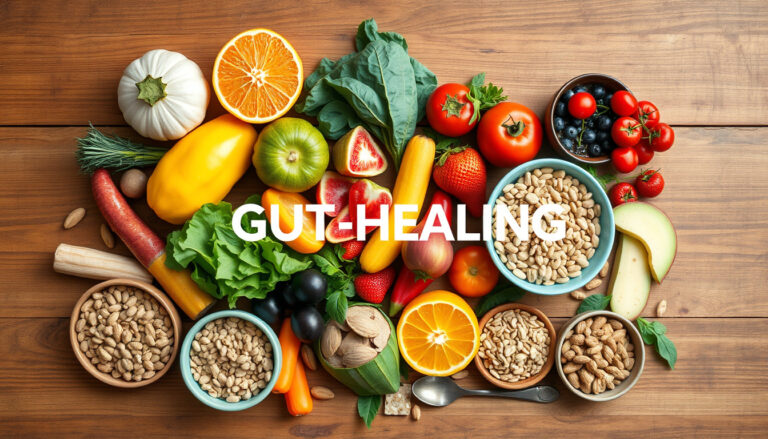

Indeed, maintaining gut health is essential for overall wellness, and including gut-healing foods in your diet is one of the best ways to achieve it. These foods support digestion, balance gut bacteria, and reduce inflammation.
Additionally, eating the right gut-healing foods daily can improve nutrient absorption, boost immunity, and even enhance your mood and energy.
By the end, you’ll see why these foods are important and how to add them to your meals every day.

Why Gut-Healing Foods Are Essential for Gut Health
Gut health influences more than just digestion. It affects immune function, mood, and energy levels. In fact, a balanced gut microbiome helps your body absorb nutrients efficiently and prevent digestive issues.
Key Benefits of a Healthy Gut
-
Boosts Immunity: Healthy gut bacteria protect against harmful microbes and support the immune system.
-
Supports Digestion: Probiotics and fiber improve bowel regularity and reduce bloating.
-
Reduces Inflammation: Many gut-healing foods contain compounds that calm digestive inflammation.
-
Enhances Mood: A healthy gut helps regulate neurotransmitters like serotonin, improving mental health.
-
Aids Weight Management: Balanced gut flora helps regulate metabolism and appetite.
Moreover, eating gut-healing foods helps maintain immunity and reduces inflammation.

Fermented Gut-Healing Foods for Daily Digestion Support
Fermented foods are powerful gut-healing foods that contain probiotics, which are beneficial bacteria supporting digestion and overall gut health. For example, regularly eating these foods can strengthen your microbiome and improve nutrient absorption. Meanwhile, including them daily encourages a balanced gut flora.
Top 12 Fermented Gut-Healing Foods to Eat Daily
Fermented foods are powerful gut-healing foods that provide probiotics—beneficial bacteria that support digestion, immunity, and overall gut health. Here are the 12 top fermented foods to include daily:
1. Yogurt
Rich in live cultures that improve gut bacteria balance. Tip: Choose unsweetened varieties for maximum benefit.
2. Kefir
Fermented milk drink with diverse probiotics. Supports digestion and immunity.
3. Sauerkraut
Fermented cabbage adds fiber and healthy bacteria. Easy to add to meals.
4. Kimchi
Korean fermented vegetables packed with probiotics and antioxidants.
5. Miso
Fermented soybean paste used in soups or sauces. Contains digestive enzymes.
6. Tempeh
High-protein fermented soy, works as a meat alternative. Supports gut health.
7. Kombucha
Lightly effervescent fermented tea full of probiotics. Refreshing daily drink.
8. Pickles
Naturally fermented pickles (without vinegar) provide beneficial bacteria.
9. Natto
Fermented soybeans rich in vitamin K2 and gut-supportive compounds.
10. Fermented Cheese
Choose live-culture varieties like Gouda or Swiss to boost probiotics.
11. Fermented Nut Milk
Dairy-free option that retains probiotics. Great for smoothies or coffee.
12. Kvass
Traditional fermented beverage made from beets or grains. Supports gut function.
Quick Tip: Start with one or two of these fermented foods daily, then rotate others for variety. As a result, you can strengthen your gut microbiome, improve digestion, and boost immunity.
High-Fiber Gut-Healing Foods to Improve Digestion
Fiber is another essential type of gut-healing food. Consequently, it feeds beneficial bacteria in your gut while supporting regular bowel movements. Similarly, a fiber-rich diet can reduce bloating and digestive discomfort over time.
Daily High-Fiber Foods to Include
-
Chia Seeds: Packed with fiber and omega-3s, aiding bowel regularity.
-
Oats: Contain soluble fiber that promotes healthy gut bacteria growth.
-
Bananas: High in prebiotic fiber that nourishes beneficial microbes.
-
Yogurt: When paired with fruits or seeds, it combines probiotics and fiber.
-
Kefir: Another fermented drink to support gut balance.
-
Kale: Leafy greens high in fiber and nutrients for digestion.
-
Apples: Contain pectin, a soluble fiber that supports smooth digestion.
-
Garlic: Acts as a prebiotic, fueling healthy gut bacteria.
-
Flaxseeds: Provide fiber and omega-3s for better bowel function.
-
Broccoli: Contains fiber and sulforaphane, which protects gut cells.
-
Berries: Antioxidant-rich and fiber-packed to support digestion.
-
Sweet Potatoes: High in fiber and nutrients for gut function.
Therefore, incorporating a variety of these high-fiber foods daily maintains a balanced gut flora and promotes smoother digestion.

Bone Broth and Other Gut-Healing Foods for a Strong Gut Lining
Specifically, bone broth is one of the most effective gut-healing foods. It is rich in collagen, gelatin, and amino acids that support gut lining integrity. As a result, regularly consuming bone broth can help maintain a healthy digestive system and reduce inflammation. In addition, it provides comfort during cold months and works well as part of both light and hearty meals.
How Bone Broth Supports Your Gut
-
Gelatin: Helps maintain the integrity of the gut lining, protecting against digestive issues.
-
Amino Acids: Promote healing and soothe inflammation in the digestive tract.
-
Easy to Use: Enjoy as a warm beverage, or add to soups, stews, and sauces.
For instance, integrating bone broth into your daily diet can be simple and delicious. Likewise, combining it with other gut-healing foods enhances overall digestive support. Furthermore, choosing high-quality, slow-simmered broth ensures you get the maximum nutrients.
Fruits and Vegetables: The Gut’s Best Friends
Fruits and vegetables are essential gut-healing foods. They provide fiber, antioxidants, and vital nutrients that nourish beneficial gut bacteria. Therefore, including a diverse range of produce is key to maintaining a healthy gut microbiome. Moreover, eating them in different forms—raw, steamed, or roasted—keeps meals enjoyable and supports long-term consistency.
Recommended Daily Fruits and Vegetables
-
Leafy Greens: Spinach, kale, and Swiss chard reduce inflammation and support gut flora.
-
Berries: Blueberries, strawberries, and raspberries deliver antioxidants for healthy bacteria.
-
Bananas: Feed gut microbes with prebiotic fiber for better digestion.
-
Broccoli: Contains sulforaphane, which supports and protects gut cells.
-
Apples: Rich in pectin, a soluble fiber that promotes regular digestion.
-
Carrots: High in fiber and vitamin A, supporting smooth digestion.
In addition, eating a colorful variety of fruits and vegetables daily encourages microbial diversity. Similarly, pairing them with other gut-healing foods, such as fermented products or bone broth, maximizes gut health benefits. Above all, consistency matters—the more often you include these foods, the stronger your gut lining becomes over time.

Healthy Fats: Supporting Gut Function
Importantly, healthy fats are vital gut-healing foods because they protect the gut lining, support nutrient absorption, and reduce inflammation. For example, avocados, olive oil, nuts, and fatty fish are excellent choices. In addition, including these fats daily strengthens digestion and boosts overall wellness.
Benefits of Healthy Fats for Digestion
Anti-Inflammatory: Omega-3s from fish, flax, or walnuts help reduce gut inflammation.
Promotes Digestion: Fats slow carbohydrate absorption, providing steady energy and aiding gut function.
Nutrient Absorption: Fat-soluble vitamins (A, D, E, and K) require dietary fats for proper absorption.
Consequently, adding healthy fats to each meal supports your gut lining and overall digestive health. Likewise, pairing them with fiber-rich and fermented foods maximizes gut-healing effects and improves nutrient balance. Furthermore, combining different fat sources—such as nuts with olive oil—ensures your body gets a variety of essential fatty acids.
Putting It All Together: Daily Gut-Healing Meal Ideas
Here are practical ways to include the 12 gut-healing foods in your daily meals:
-
Breakfast: Oats with chia seeds, berries, and yogurt.
-
Snack: Banana with a handful of nuts.
-
Lunch: Kale salad with avocado, pickled vegetables, and olive oil dressing.
-
Afternoon Snack: Kombucha or fermented nut milk.
-
Dinner: Bone broth-based soup with broccoli, carrots, and miso.
-
Optional: Tempeh or grilled fatty fish for protein and omega-3s.
As a result, rotating these foods daily creates a balanced, nutrient-rich diet that strengthens gut health. In addition, consistent inclusion of these foods can improve digestion, immunity, and energy levels. Over time, this approach also helps reduce bloating, stabilize mood, and support long-term wellness.
Frequently Asked Questions
What Are Gut-Healing Foods?
Gut-healing foods nourish the digestive system, feed beneficial bacteria, and improve overall gut function. For instance, fermented foods, fiber-rich produce, bone broth, and healthy fats all play a role. Moreover, combining them regularly creates a strong foundation for gut balance.
Why Is Gut Health Important?
Gut health affects digestion, immunity, nutrient absorption, and mental well-being. Therefore, maintaining a healthy gut supports your overall health. In fact, researchers now link poor gut health to fatigue, skin issues, and even mood swings.
Which Fermented Foods Should I Include?
Daily options include yogurt, kefir, sauerkraut, kimchi, and miso. They provide probiotics to help balance gut bacteria. Additionally, rotating different fermented foods ensures you get a variety of bacterial strains for maximum benefit.
How Can I Add More Fiber to My Diet?
Include whole grains, legumes, fruits, vegetables, seeds, and nuts. Similarly, variety ensures a wide range of nutrients and promotes gut diversity. Even small swaps—like choosing brown rice instead of white rice—make a big difference over time.
Can I Improve Gut Health Quickly?
While improvements take time, consistent inclusion of gut-healing foods leads to noticeable benefits in digestion and overall well-being. However, patience is key, since true gut healing happens gradually. Meanwhile, pairing dietary changes with enough sleep, stress management, and hydration speeds up progress.