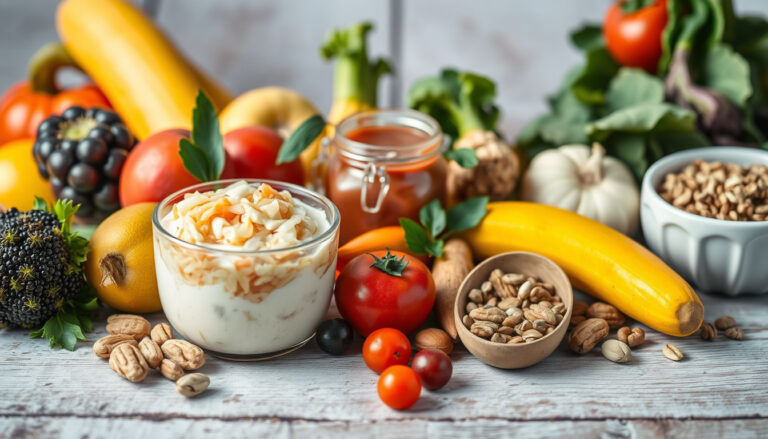

In recent years, many people have focused on gut microbiome foods to improve digestion, immunity, and overall wellness. Additionally, adding these foods to your daily diet can strengthen the beneficial bacteria living in your gut.. As a result, you may experience fewer digestive issues, better energy, and an improved mood.
One effective strategy is to consistently include gut-friendly foods in your meals. These foods feed and support the beneficial bacteria in your intestines, helping your gut stay balanced and healthy.
In this guide, I will explain what the gut microbiome is, why it matters, and which foods naturally improve its balance. So, let’s dive in and explore how you can support your gut health every day.

Understanding the Gut Microbiome and Its Role in Health
Before discussing gut-boosting foods, it’s important to understand what the gut microbiome is.
The gut microbiome is a community of microorganisms living in your digestive tract. For example, these include bacteria, fungi, and viruses. In fact, they are not harmful when balanced but essential for digestion and overall health.
These microbes help break down food, produce certain vitamins, support your immune system, and protect against harmful pathogens.
When your gut microbiome is out of balance, it can cause bloating, fatigue, allergies, and even affect mental health. That’s why I always focus on eating foods that naturally support gut bacteria.
Why Gut Microbiome Foods Are Essential for Your Health
Gut health influences nearly every aspect of our wellness. As a result, a healthy gut helps your body absorb nutrients efficiently, manage inflammation, and maintain strong immunity. Moreover, it communicates with the brain through the gut-brain axis, which can affect your mood and stress levels.
By including gut microbiome foods in your diet, you give your digestive system the tools it needs to function properly. As a result, you may experience reduced digestive discomfort, enhanced immunity, and even improved mental clarity.
Effective Foods for Gut Health
Here are some of the most beneficial foods to support your gut:
-
Fermented foods: Yogurt, kefir, sauerkraut, and kimchi provide live bacteria that help maintain a balanced gut.
-
Fiber-rich foods: Whole grains, fruits, and vegetables feed beneficial microbes.
-
Prebiotic foods: Garlic, onions, and bananas help healthy gut bacteria grow.
-
Omega-3 fatty acids: Fatty fish like salmon and seeds help reduce gut inflammation.
In short, incorporating these foods into your meals consistently can significantly improve your digestive and overall health. Therefore, making them a regular part of your diet is key for long-term wellness.

Top Probiotic Gut Microbiome Foods to Add Daily
Probiotics are live bacteria that improve gut health. By incorporating these foods regularly, you can maintain a balanced microbiome and support overall digestion. Additionally, combining probiotics with prebiotic foods can maximize gut benefits.
Yogurt: A Classic Gut Microbiome Food
Yogurt is a classic probiotic source. Additionally, I recommend choosing varieties with active, live cultures. Similarly, adding yogurt to breakfast or smoothies is a simple way to introduce good bacteria.
Kefir: Fermented Drink for Gut Health
Kefir is a fermented dairy drink that contains more probiotic strains than yogurt. Since it has a thinner texture, you can drink it daily. Moreover, kefir is versatile—it can be added to smoothies or enjoyed on its own.
Sauerkraut: Boost Your Gut Microbiome Naturally
Sauerkraut, made from fermented cabbage, is packed with probiotics and fiber. Homemade versions often contain the highest concentration of beneficial bacteria. By adding a small serving to your meals, you can enhance digestion and support gut health.
Kimchi: A Spicy Probiotic for Gut Health
This Korean fermented dish combines vegetables with spices. Not only is it rich in probiotics, but it also contains antioxidants that improve digestion and support immunity. Including kimchi in your meals adds flavor while promoting gut benefits.
Miso: Fermented Soy for Your Gut Microbiome
Miso is a fermented soybean paste used in Japanese cuisine. By adding miso to soups or dressings, you can boost flavor and support gut health simultaneously. Regular consumption helps maintain a balanced microbiome.
Tempeh: Protein and Probiotics in One
Tempeh is a fermented soybean product and an excellent protein source. It contains live cultures that help maintain a healthy gut microbiome. You can use tempeh in stir-fries, salads, or sandwiches for a convenient probiotic boost.
Kombucha: Fizzy Gut-Friendly Beverage
Kombucha is a fizzy, fermented tea rich in probiotics. Drinking it regularly provides a refreshing way to incorporate gut-friendly bacteria into your diet. Furthermore, it can replace sugary drinks while supporting digestion.
Benefits of Probiotic Foods
Regularly consuming probiotic foods can:
-
Support digestion
-
Improve nutrient absorption
-
Reduce inflammation
-
Strengthen immunity
-
Alleviate gastrointestinal discomfort
Foods High in Prebiotics
Prebiotics are fibers that feed the good bacteria in your gut. In addition, including these foods helps probiotics thrive.
-
Garlic: Adds flavor while promoting healthy gut bacteria.
-
Onions: Raw or cooked, they are a top prebiotic source.
-
Leeks: Similar to onions, they nourish gut microbes.
-
Asparagus: Packed with nutrients and prebiotic fibers.
-
Bananas: Contain fibers that act as food for probiotics.
-
Barley: A whole grain that supports a thriving gut environment.
By adding prebiotic foods to your meals, you can improve digestion, boost immunity, and enhance nutrient absorption.

Fermented Foods and Their Benefits
Fermented foods are some of the most effective for supporting a healthy gut microbiome. Including them regularly can improve digestion, immunity, and even mood.
What Are Fermented Foods?
Fermentation is a natural process where bacteria and yeast convert sugars into acids or alcohol. This process creates probiotics, which are beneficial bacteria that support gut health.
Common fermented foods include:
-
Yogurt
-
Kefir
-
Sauerkraut
-
Kimchi
-
Kombucha
-
Miso
-
Tempeh
Health Benefits of Fermented Foods
Fermented foods offer several benefits:
-
Improved Digestion – They help break down nutrients, making digestion easier.
-
Better Nutrient Absorption – Probiotics enhance your body’s ability to absorb vitamins and minerals.
-
Stronger Immunity – A balanced microbiome supports your immune system.
-
Mood Support – Fermented foods support the gut-brain axis, which may reduce anxiety and depression.
How to Include Fermented Foods in Your Diet
Incorporating fermented foods can be simple. For example:
-
Add yogurt or kefir to smoothies.
-
Top salads and sandwiches with sauerkraut or kimchi.
-
Drink kombucha instead of sugary beverages.
-
Use miso in soups and sauces.
Even small daily additions can make a noticeable difference.
Tips for Incorporating Gut-Healthy Foods
Eating gut microbiome foods regularly doesn’t have to be complicated. Here are practical strategies:
-
Diversify Your Diet: Eat a variety of fruits, vegetables, grains, and proteins to support different gut bacteria.
-
Choose Fermented Foods: Include yogurt, kefir, kimchi, or miso daily.
-
Snack on Nuts and Seeds: Almonds, walnuts, chia, and flaxseed feed good bacteria.
-
Include Prebiotics: Garlic, onions, bananas, and asparagus help probiotics thrive.
-
Stay Hydrated: Water supports digestion and nutrient absorption.
-
Limit Processed Foods: Sugary and processed items can disrupt your microbiome.
Small changes, like adding a handful of nuts or a cup of yogurt, gradually build a healthier gut.
Key Foods to Prioritize
Here’s a quick reference for gut-friendly foods:
| Food Type | Examples | Benefits |
|---|---|---|
| Fermented | Yogurt, kefir, kimchi, sauerkraut, miso, tempeh, kombucha | Supports probiotic growth, improves digestion |
| Prebiotic | Garlic, onions, bananas, asparagus, leeks, barley | Feeds good bacteria, boosts nutrient absorption |
| Fiber-Rich | Whole grains, beans, lentils, oats, fruits, vegetables | Supports bacterial diversity, improves gut motility |
| Polyphenol-Rich | Berries, cocoa, green tea | Reduces inflammation, supports gut bacteria |
Tip: Try to include at least one fermented food and one prebiotic food daily. Consistency matters more than quantity.

Conclusion: A Healthy Gut for Overall Wellness
A healthy gut is central to overall wellness. By focusing on gut-friendly foods, you can not only improve digestion but also strengthen immunity, support mental health, and enhance nutrient absorption.
Start with small changes. For example, add yogurt, garlic, or a handful of nuts to your meals. Then, gradually expand to include a variety of fermented, prebiotic, and fiber-rich foods.
Ultimately, a diverse diet helps your gut bacteria thrive, which boosts overall health and vitality. Take action today, and your gut will thank you!
Frequently Asked Questions
What is the gut microbiome?
The gut microbiome is the community of bacteria, fungi, and viruses in your digestive tract. These microorganisms play a key role in digestion, immunity, and overall health.
Why is gut health important?
Gut health affects both physical and mental wellbeing. A balanced microbiome improves nutrient absorption, supports immune function, and helps prevent disease.
Which foods are rich in probiotics?
Foods like yogurt, kefir, sauerkraut, kimchi, miso, tempeh, and kombucha are excellent sources of probiotics.
What are prebiotics and where are they found?
Prebiotics are fibers that feed healthy gut bacteria. Good sources include garlic, onions, bananas, asparagus, and whole grains.
How can I incorporate gut-friendly foods into my diet?
Start by adding fermented foods daily. Snack on prebiotic-rich fruits and vegetables, and choose whole grains. Over time, gradually increase variety to maximize benefits.