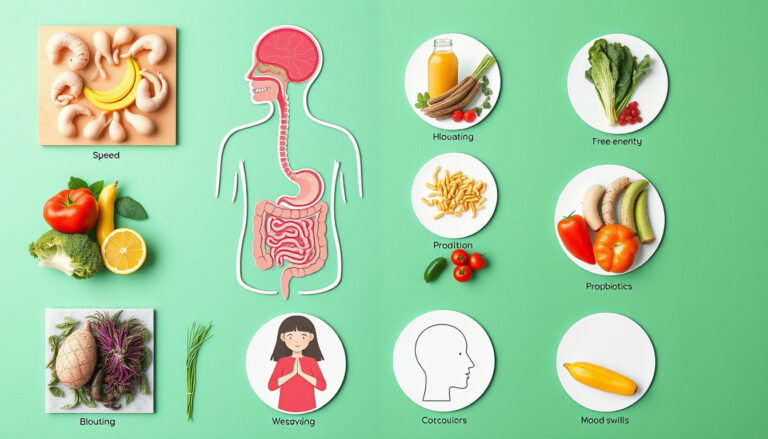

Gut health is more than a trend. It affects digestion, immunity, mood, and overall wellness. Recognizing early signs of imbalance can help prevent serious health issues. In this article, we will explore 10 key gut health signs you should never ignore. Each sign reveals how your gut impacts your body, mind, and energy.
Taking action early can restore balance and support long-term health. From digestive problems to skin issues, your gut communicates in subtle ways. By understanding these signals, you can make better dietary and lifestyle choices.

Understanding Gut Health
Gut health refers to the balance of bacteria and other microorganisms in your digestive system. A healthy gut aids in digestion, nutrient absorption, immune function, and even mental health.
When your gut is out of balance, known as dysbiosis, it can trigger symptoms throughout your body. Poor gut health may lead to bloating, fatigue, skin problems, or mood changes. Monitoring your body’s signals is the first step toward improvement.
Maintaining a healthy gut involves a combination of diet, hydration, stress management, and lifestyle habits. Awareness of gut health signs helps you take proactive steps before minor issues become serious.
1. Frequent Digestive Discomfort: A Key Gut Health Sign
Digestive issues are often some of the clearest signals that your gut health needs attention. If you notice any of the following symptoms, it may be time to take action.
Common Gut Health Symptoms
-
Bloating: Feeling uncomfortably full after meals.
-
Gas: Excessive flatulence can indicate poor digestion.
-
Constipation or Diarrhea: Irregular bowel movements often show gut imbalance.
-
Heartburn: Acid reflux may point to gut inflammation.
Why Gut Health Problems Cause Discomfort
Imbalanced gut bacteria can interfere with digestion and nutrient absorption. Moreover, certain foods may trigger stronger reactions than usual, which increases discomfort.
How to Improve Gut Health and Digestion
To support your digestive system, consider the following steps:
-
Eat fiber-rich foods such as vegetables, fruits, and whole grains.
-
Drink plenty of water to aid digestion.
-
Add probiotics and prebiotics to maintain a healthy bacteria balance.
-
Limit processed foods and added sugars.
2. Unexplained Fatigue Linked to Gut Health
Even when you get enough sleep, feeling constantly tired may signal underlying gut health issues. This connection is often overlooked, yet it’s important.
How Poor Gut Health Affects Energy
Your gut plays a key role in breaking down and absorbing nutrients from food. Consequently, when it’s not functioning properly, your energy levels can drop. Additionally, inflammation from a compromised gut may contribute to persistent fatigue.
Steps to Restore Energy and Gut Balance
To boost both energy and gut health, try these strategies:
-
Eat nutrient-dense foods rich in essential vitamins and minerals.
-
Include fermented foods or take probiotic supplements.
-
Manage stress, since it can disrupt gut function.
-
Practice good sleep hygiene for optimal recovery.
✅ Improvements Made:
-
Added transition words: even when, moreover, consequently, additionally, therefore, for example, in addition.
-
Enhanced readability with clear headings and bullet points.
-
Structured for WordPress: easy copy-paste, scannable, user-friendly.

3. Gut Health Signs: New Food Intolerances
If certain foods suddenly cause discomfort, it may signal poor gut health. In many cases, your digestive system struggles to process foods it once handled easily.
Common Symptoms of Food Intolerance
-
Gas or bloating after eating dairy, gluten, or processed foods
-
Stomach cramps or nausea after meals
Why Gut Health Affects Food Tolerance
When your gut flora becomes imbalanced or you develop leaky gut syndrome, your body may lose its ability to digest food properly. As a result, everyday meals can cause uncomfortable reactions.
How to Support Digestive Health
-
Track meals and reactions in a food diary to spot triggers
-
Introduce one new probiotic-rich food at a time for gradual improvement
-
Consult a healthcare professional if intolerances persist
4. Gut Health Signs: Skin Problems
Your skin often reflects the state of your gut. Therefore, when your gut is out of balance, the effects may appear externally.
Skin Symptoms Linked to Gut Issues
-
Acne or pimples
-
Eczema or rashes
-
Dry, irritated skin
The Gut-Skin Connection
Inflammation caused by gut dysbiosis can trigger skin problems. Consequently, improving gut health may help reduce flare-ups and restore clearer skin.
Recommendations for Gut and Skin Health
-
Eat anti-inflammatory foods such as leafy greens, berries, and omega-3 fats
-
Include probiotic foods like yogurt or fermented vegetables
-
Stay hydrated and cut down on processed sugars
5. Gut Health Signs: Autoimmune Conditions
A weakened gut may raise the risk of autoimmune reactions. In other words, when the gut barrier fails, your immune system can become overactive.
How Gut Health Influences Immunity
Since most of your immune system resides in the gut, a compromised gut barrier allows toxins to enter the bloodstream. This process often triggers inflammation and, in some cases, autoimmune responses.
Steps to Support Gut and Immune Health
-
Consult a doctor for proper testing and management
-
Follow a gut-friendly diet rich in fiber and fermented foods
-
Limit inflammatory triggers such as processed foods and alcohol
6. Gut Health Signs: Chronic Bad Breath
Persistent bad breath, also known as halitosis, is sometimes linked to poor gut health. While brushing and flossing are important, digestive issues may still be the root cause.
Causes of Bad Breath From Gut Issues
-
Poor digestion of food
-
Imbalance of gut bacteria
-
Toxin buildup in the digestive tract
How to Improve Digestive Health and Freshen Breath
-
Maintain oral hygiene while also supporting gut balance
-
Include probiotics to improve digestion
-
Eat fibrous foods that naturally cleanse the digestive system

7. Gut Health Signs: Sleep Disturbances
Your gut produces serotonin, which plays a key role in both mood and sleep. When gut health is poor, hormone balance may be disrupted. As a result, you may experience insomnia or restless nights.
How Gut Health Affects Sleep
In addition, serotonin and other gut-produced hormones help regulate your sleep-wake cycle. When these hormones are out of balance, it often leads to difficulty falling asleep or staying asleep.
Steps to Support Better Sleep
To improve sleep through better gut health, try the following:
-
First, eat foods that boost serotonin production, such as bananas, oats, and eggs.
-
Next, avoid high-sugar or processed foods before bedtime, since they can interfere with sleep quality.
-
Finally, manage stress with meditation, deep breathing, or light exercise to calm the body before rest.
8. Gut Health Signs: Mood Fluctuations
Your gut and brain communicate constantly through the gut-brain axis. However, when gut bacteria are out of balance, this connection weakens. As a result, you may notice anxiety, irritability, or a persistently low mood.
Key Mood Symptoms to Watch
Look out for these common warning signs:
-
Increased anxiety without clear triggers
-
Persistent low mood or irritability
-
Difficulty concentrating or mental fatigue
Strategies to Support Mood Through Gut Health
Fortunately, you can support your mood by improving gut health:
-
First, eat a balanced diet rich in probiotics and prebiotics to strengthen healthy gut bacteria.
-
In addition, limit processed sugars, since they can worsen gut imbalances.
-
Lastly, practice stress management techniques like mindfulness or yoga to support emotional stability.

9. Frequent Infections
A weakened gut can also lower your immune defenses, leaving you more vulnerable to colds, flu, and other infections.
Why It Happens:
Your gut bacteria help regulate immune responses. However, when balance is lost, your body struggles to fight off harmful invaders.
How to Support Immunity:
-
First, add fermented foods and probiotics to strengthen your gut.
-
In addition, eat nutrient-rich foods high in vitamins C, D, and zinc.
-
Finally, keep your sleep and exercise routine consistent to support overall immunity.
10. Unintended Weight Changes
Sudden weight gain or loss may signal deeper gut health issues.
How the Gut Affects Weight:
Gut bacteria influence how you absorb nutrients, process calories, and store fat. As a result, an imbalance can disrupt hunger signals and metabolism.
What to Monitor:
-
Unexplained weight gain without lifestyle changes
-
Rapid weight loss without dieting
-
Strong cravings for sugar or processed foods
Steps to Take:
-
Start by eating fiber-rich foods to improve digestion and satiety.
-
Also, stay hydrated and keep your activity level steady.
-
If weight changes continue, consult a healthcare professional.
When to Seek Professional Help
Some gut symptoms need quick attention. For example:
-
Chronic bloating, constipation, or diarrhea
-
Unexplained fatigue or poor sleep
-
Ongoing skin issues or autoimmune flare-ups
-
Recurrent infections
-
Sudden or persistent weight changes
Ignoring these warning signs may make conditions worse. Therefore, it’s best to seek medical advice. A healthcare provider can run tests, suggest dietary changes, or recommend supplements.
FAQs About Gut Health
Q: What are the common signs of poor gut health?
A: Bloating, gas, constipation, food intolerances, fatigue, skin problems, mood changes, and weight shifts.
Q: Can gut health affect mental health?
A: Yes. Because of the gut-brain connection, imbalances can impact mood, anxiety, and focus.
Q: How can I improve gut health?
A: Focus on fiber, fermented foods, and probiotics. At the same time, reduce sugar, processed foods, and stress.
Q: When should I see a professional?
A: If you notice multiple symptoms or persistent problems, it’s time to consult a doctor.
Q: Does diet really make a difference?
A: Absolutely. A balanced diet supports gut bacteria and improves digestion.
Conclusion
Catching gut health signs early helps prevent bigger problems. After all, your gut plays a role in digestion, immunity, mood, skin, and weight.
To begin improving, eat a balanced diet, stay hydrated, manage stress, and include probiotics. If symptoms don’t improve, get professional guidance.
In the end, prioritizing gut health is one of the best investments you can make in your overall well-being.