
Having strong intestinal health is key for smooth digestion and lasting energy. Your intestines absorb nutrients and guard against harmful bacteria. When they work well, your body feels lighter and calmer.
This guide covers 10 proven tips you can use daily to strengthen your gut. These are simple, natural habits that protect digestion and improve well-being.
Why Intestinal Health Matters
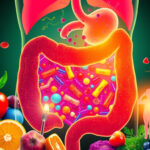
Your intestines do more than break down food, and they hold trillions of bacteria, known as the gut microbiome, which balance your system
A healthy microbiome: for example, helps your body absorb nutrients, supports immune defense, reduces inflammation, and lowers digestive discomfort.
When the balance is off, you may feel bloated, constipated, or run down. Building a stronger gut is about steady habits, not quick fixes.
1. Eat More High-Fiber Foods for Intestinal Health
Fiber fuels good bacteria in the gut, and it keeps food moving smoothly. A diet rich in fiber lowers constipation, so digestion becomes easier.
Top fiber sources include:
-
Fruits: apples, pears, berries
-
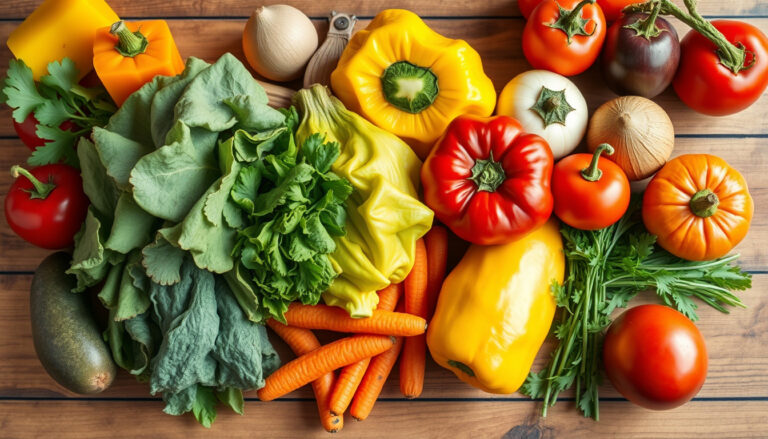
Vegetables: broccoli, carrots, leafy greens
-
Whole grains: oats, brown rice, quinoa
-
Legumes: beans, lentils, chickpeas
Add fiber gradually to avoid gas or discomfort. Drink water alongside fiber for best results.
2. Include Probiotics in Your Diet
Probiotics are live bacteria that restore balance in your intestines, and they support digestion and reduce bloating
Best probiotic sources:
-
Yogurt with live cultures
-
Fermented foods like sauerkraut, kimchi, kefir
-
High-quality probiotic supplements
A small serving each day can help your gut function improve over time, because it strengthens beneficial bacteria
3. Stay Hydrated
Water works with fiber to keep your intestines moving, so digestion flows smoothly.Without enough water, stool can become hard and painful to pass; therefore, staying hydrated is essential.
Hydration tips:
-
Aim for at least 8 glasses daily
-
Sip more during exercise or hot weather
-
Choose water or herbal teas over soda
Hydration is one of the simplest ways to prevent constipation and ease digestion.

4. Manage Stress Levels
Stress directly affects your digestive system, and the brain and gut are linked through the gut-brain axis, which controls how your stomach reacts
Ways to lower stress:
-
Deep breathing
-
Meditation or prayer
-
Gentle yoga or stretching
-
Journaling or light reading
A calmer mind allows your intestines to process food without disruption, for example, through meditation or deep breathing.
5. Exercise Regularly
Movement improves blood flow and helps your gut muscles push food along, and it also reduces stress, which further supports digestion.
Practical exercises:
-
Walking 30 minutes a day
-
Cycling or swimming
-
Light strength training
Even a daily walk can keep your gut active and balanced, then improve overall digestion.
6. Limit Processed and Sugary Foods
Processed foods and added sugars feed harmful bacteria in the gut, which can weaken the intestinal wall and raise inflammation
Steps to reduce intake:
-
Swap soda for sparkling water
-
Replace chips with nuts or fruit
-
Cook simple meals at home
Cutting back on processed food makes room for healthier bacteria to thrive, and it improves digestion.
7. Avoid Overuse of Antibiotics
Antibiotics fight infections, but they also wipe out good bacteria, so overuse may cause long-term gut imbalance
Smart use of antibiotics:
-
Take only when prescribed
-
Never save old antibiotics for later use
-
Pair with probiotic foods after treatment
Protecting your gut bacteria keeps digestion stable even after illness, for example, by eating probiotics
8. Get Enough Sleep
Poor sleep weakens gut bacteria balance and raises stress hormones, which can lead to stomach discomfort or irregular bowel movements.
Better sleep habits:
-
Aim for 7–9 hours per night
-
Keep a steady bedtime and wake-up time
-
Avoid screens at least 30 minutes before bed
Good sleep restores both your mind and your intestines, so digestion improves naturally
9. Add Prebiotic Foods to Your Menu
Prebiotics are types of fiber that feed healthy bacteria, and unlike probiotics, they are not live organisms, but they help probiotics grow stronger
Great prebiotic foods:
-
Garlic and onions
-
Asparagus and leeks
-
Bananas
-
Chicory root
Adding these foods gives your gut bacteria the fuel they need to thrive, therefore supporting digestion.
10. Listen to Your Body’s Signals
our gut often tells you when something is wrong, so pay attention to bloating, cramps, or sudden bathroom changes.
How to track gut health:
-
Keep a simple food diary
-
Note symptoms after meals
-
Adjust diet based on patterns
-
Seek medical advice if problems persist
Adjust your diet based on patterns, and seek medical advice if problems persist.
Quick Reference Table: Top Foods for Intestinal Health
| Food Type | Benefits | Examples |
|---|---|---|
| High-Fiber | Supports digestion | Fruits, vegetables, grains |
| Probiotics | Restores gut bacteria | Yogurt, sauerkraut, kimchi |
| Prebiotics | Feeds healthy microbes | Garlic, onions, bananas |
| Hydrating | Prevents constipation | Water, herbal tea |
Frequently Asked Questions About Intestinal Health
Q1: How can I improve intestinal health quickly?
Start with more fiber, add probiotic foods, and drink plenty of water daily.
Q2: What are the signs of poor intestinal health?
Common signs include bloating, gas, cramps, constipation, or diarrhea. See a doctor if symptoms continue.
Q3: Can stress really affect digestion?
Yes. Stress changes gut movement and bacteria balance. Calming the mind supports smoother digestion.
Take Control of Your Intestinal Health
Your intestinal health shapes how you feel every day. With small steps like more fiber, hydration, and better sleep, you can reset your digestion naturally.
Start today by choosing one habit from this list. Add a fiber-rich meal, drink more water, or include a probiotic snack. These small actions bring lasting comfort and energy.
👉 Explore more gut-friendly foods, supplements, and wellness tips on our site today.