
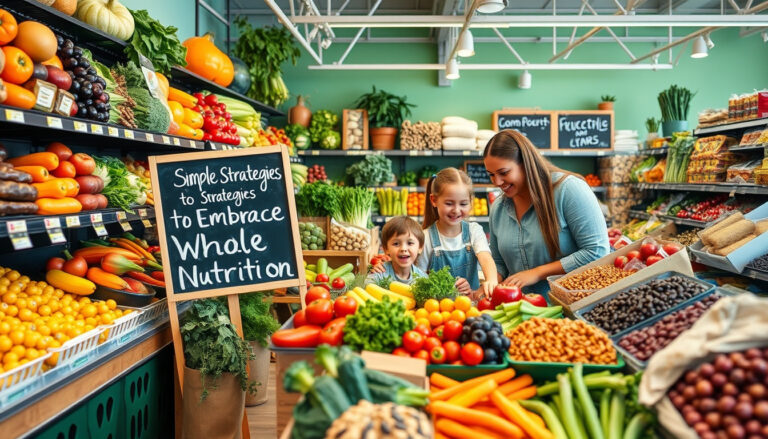

Learning how to avoid processed foods is key to better health and higher energy. Many of us rely on quick packaged meals that taste good but hide extra sugar, salt, and chemicals. These foods can affect weight, digestion, and long-term wellness.
By choosing natural, whole foods instead, you can nourish your body and lower the risk of chronic illnesses. Here are ten strategies I follow to avoid processed foods and embrace whole nutrition
I have found that focusing on foods close to their natural state helps my body feel better and lowers long-term health risks. Here are ten strategies to help you avoid processed foods and embrace whole nutrition.
Understanding Processed Foods and How to Avoid Them
Processed foods are foods changed by freezing, canning, baking, or adding ingredients. Some are minimally processed, like frozen vegetables or canned beans. Others are highly processed, like sugary drinks, snack cakes, or ready meals.
Not all processed foods are harmful. Frozen broccoli or canned tomatoes without added salt keep nutrients intact. Highly processed items usually contain altered oils, extra sugar, salt, and artificial flavors. Regular consumption can contribute to weight gain, diabetes, heart problems, and even certain cancers.
Why Avoiding Processed Foods Can Be Hard
Processed foods often taste better because of added salt, sugar, and fat. This can trigger cravings and make natural foods seem less appealing. Marketing, advertisements, and lower prices also push us toward packaged options.
Breaking this habit takes awareness, planning, and small, consistent changes. You can train your taste buds and body to prefer fresh, whole foods.
10 Strategies to Avoid Processed Foods and Embrace Whole Nutrition

1. Keep Healthy Snacks to Avoid Processed Foods
I always keep simple snacks nearby. Fresh fruits, mixed nuts, edamame, or crunchy vegetables with dip are easy choices. Preparing snacks ahead of time helps avoid grabbing packaged items. Try boiled eggs, homemade baked chips, or overnight oats for quick, nutritious options.
2. Swap Refined Grains to Cut Processed Foods
Refined grains like white bread, pasta, and rice lose nutrients during processing. Switching to whole grains like brown rice, whole wheat bread, or whole-grain pasta improves digestion and gives steady energy. Whole grains also support heart health and help you feel full longer.
3. Make Your Favorites with Healthier Ingredients
I recreate favorite meals at home to control what goes into them. For example, baked vegetable chips made from zucchini or carrots tossed in olive oil replace store-bought snacks. Chia seed puddings and homemade salad dressings with olive oil and vinegar reduce sugar and additives while keeping flavor.
4. Increase Vegetable and Fruit Intake
Adding one serving of vegetables to each meal improves nutrition. Spinach, broccoli, carrots, and cauliflower provide fiber, vitamins, and minerals. Fruits like berries, apples, and oranges give natural sweetness and antioxidants. Eating more produce helps reduce cravings for processed foods.
5. Change Your Shopping Routine
I focus on store edges where fresh foods are stocked. Produce, dairy, and meats usually sit here. The center aisles hold most packaged foods. Reading labels and skipping items with long ingredient lists helps avoid hidden chemicals.
6. Reduce Processed Meat Consumption
Processed meats like bacon, sausages, and deli slices are linked to higher cancer risk. I choose lean meats like chicken, turkey, or fish instead. Plant proteins from beans, lentils, tofu, or tempeh provide variety and support overall health.
7. Drink More Water and Limit Sugary Drinks
Sugary beverages add unnecessary calories and sugar. I replace sodas and sweetened juices with water, sparkling water, or water infused with fruit. Staying hydrated reduces cravings for sugary drinks and supports digestion and energy.
8. Prep Meals Ahead of Time
Cooking in batches saves time and reduces reliance on packaged foods. Preparing meals for the week prevents grabbing quick, processed options when busy. Choosing recipes that share ingredients keeps cooking simple and efficient.
9. Make Gradual Changes
Switching entirely to natural foods can feel overwhelming. I start small by replacing one packaged item with a natural option each week. Gradual changes create lasting habits without feeling restrictive. Over time, natural foods become the default.
10. Be Mindful and Track Your Intake
Keeping a food diary helps identify hidden processed foods. Writing meals down increases awareness and highlights areas for improvement. I notice patterns and make better choices when I track what I eat.
Final Thoughts
Eating minimally processed foods is a powerful step toward better health. Small, consistent actions like meal prep, swapping grains, and increasing fruits and vegetables make a big difference.
Treats are okay, but prioritizing whole nutrition benefits energy, weight management, and long-term wellness. Following these strategies allows you to enjoy food that works for your body while reducing risks from processed items.
Start today. Each small step moves you closer to a healthier, balanced diet. Enjoy fresh, simple foods and watch how your health improves over time.


