
Rising blood pressure in America is becoming a serious health concern. More adults are developing high blood pressure, also called hypertension. The COVID-19 pandemic and lifestyle changes have contributed to this increase. Understanding why blood pressure is rising can help you take action to protect your health.
Why Rising Blood Pressure in America Is Becoming a Health Crisis
Stress is a major factor. The pandemic caused anxiety, uncertainty, and social isolation. Searches for terms like “why do I feel anxious for no reason” surged in 2021. Mental health issues, especially among young people, increased significantly.
A 53-page report revealed jumps in depression, anxiety, and emergency room visits related to mental health. ER visits for suicide attempts rose 51% for adolescent girls early in 2021 compared to 2019. Boys’ visits increased 4%.
The pandemic led to over 785,000 American deaths. Lockdowns limited social events, strained relationships, and caused economic and job stress. Political unrest added pressure.
How Stress and Lifestyle Changes Drive Rising Blood Pressure in America
Long-term stress triggers higher cortisol levels, a hormone released by the adrenal glands. Cortisol circulates through the body and can:
- Raise blood sugar
- Weaken the immune system
- Increase blood pressure
Stress explains much of the rise in blood pressure, but lifestyle changes also played a key role.
Lifestyle Changes During the Pandemic
Lockdowns reduced physical activity for many people. Exercise routines were interrupted. Diets worsened, alcohol intake rose, and sleep quality fell. Access to healthcare was limited, with fewer doctor visits and inconsistent medication use.
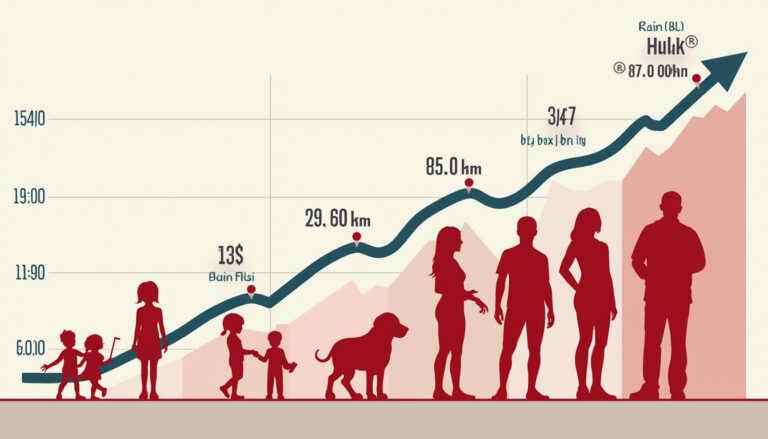
Researchers noted these changes while studying blood pressure trends. Their findings showed nearly half a million Americans had higher blood pressure by the end of 2020 compared to 2019.
Study Highlights: Trends in Rising Blood Pressure in America
Cleveland Clinic researchers tracked blood pressure from 2019 through December 2020. Readings were steady until March 2020. From April to December 2020, blood pressure rose noticeably.
Blood pressure has two numbers:
- Systolic (top number): pressure when the heart squeezes
- Diastolic (bottom number): pressure when the heart relaxes
A reading of 130/80 mmHg or higher indicates high blood pressure.
Average monthly rises from April to December 2020 were:
- Systolic: 1.1 to 2.5 mmHg
- Diastolic: 0.14 to 0.53 mmHg
Though small individually, these increases are significant across a population of half a million. Increases affected all age groups and sexes, but women showed larger rises.
Why High Blood Pressure Matters
Even mild high blood pressure can damage blood vessels and organs. It can affect the heart, brain, kidneys, eyes, and sexual function.
Nearly half of American adults have high blood pressure. It is called the “silent killer” because it often shows no symptoms but can cause:
- Strokes
- Heart attacks
- Heart failure
- Kidney damage
- Vision loss
- Erectile dysfunction
Rising cases increase hospital visits and strain healthcare systems already impacted by COVID-19.
Managing Blood Pressure Without Medication
High blood pressure can often be controlled through lifestyle changes. These changes are simple but highly effective.
Diet
Eating a healthy diet is key. Focus on foods high in potassium and low in salt. Studies show these changes can lower blood pressure and even reverse age-related increases.
What Is the DASH Diet?
The DASH diet (Dietary Approaches to Stop Hypertension) emphasizes:
- Fruits and vegetables
- Whole grains
- Nuts and seeds
- Lean proteins
It limits salt, processed foods, red meat, and sugar.
The Paleolithic Diet Link
The Paleolithic diet, followed by our ancestors, was high in potassium and low in sodium. It included:
- Wild animals
- Fruits and vegetables
- Nuts and seeds
- Roots
Today’s typical American diet is high in salt, sugar, fat, refined flour, meat, and dairy, but low in fresh produce.
Biggest Food Sources of Sodium in America
Over 40% of sodium comes from just ten foods:
| Food Type | Examples |
|---|---|
| Breads and rolls | Sandwich breads, dinner rolls |
| Pizza | Frozen, restaurant |
| Sandwiches | Fast food, deli |
| Cold cuts and cured meat | Ham, bacon, salami |
| Soups | Canned, restaurant soups |
| Burritos and tacos | Fast food |
| Savory snacks | Chips, pretzels |
| Chicken | Fried, processed |
| Cheese | Processed cheese |
| Eggs and omelets | Prepared with salt |
Cutting back on these foods lowers sodium intake and reduces blood pressure risk.
Exercise and Stress Reduction
Regular exercise strengthens the heart, improves circulation, and reduces blood pressure. Aim for at least 150 minutes of moderate exercise per week.
Stress management also helps. Techniques like mindfulness meditation, yoga, and deep breathing lower cortisol levels. Quality sleep supports healthy blood pressure as well.
Summary: How to Fight the Silent Killer
Follow these five key actions to protect your health:
- Eat more potassium, less salt – choose fruits, vegetables, and low-sodium foods.
- Exercise regularly – 150 minutes of moderate exercise weekly.
- Manage stress – use meditation, yoga, or mindfulness practices.
- Sleep well – prioritize good quality sleep every night.
- Visit your doctor – track blood pressure and follow prescribed treatment.
High blood pressure is more common now, but it is manageable. Early steps prevent serious health problems later.