
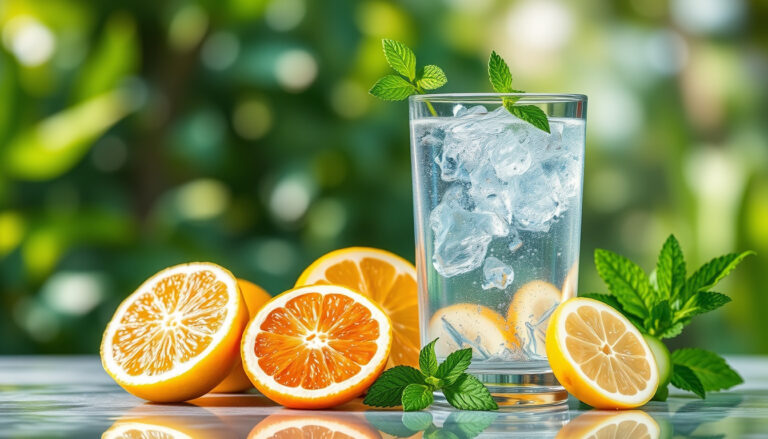

Proper hydration for health is essential for keeping your body and mind working at their best. Water fuels every cell, supports organ function, and ensures your body systems run smoothly. Yet, many people do not drink enough, which can lead to fatigue, headaches, dizziness, digestive issues, and more serious problems over time.
In this guide, I will explain why hydration for health is essential. Additionally, I will show who is most at risk of dehydration and what signs to watch for. Furthermore, I will cover how much water you need and share practical tips to stay hydrated every day. Finally, I will suggest drinks and supplements that naturally support your hydration habits, helping you maintain energy, focus, and overall wellness.
Affiliate note: I may include links to helpful products like reusable water bottles, electrolyte drinks, and herbal teas. These links may earn me a small commission at no extra cost to you.

Why Hydration for Health Matters
Water is vital for many body processes, and without it, the body cannot function properly. For example, it helps:
-
Regulate body temperature, keeping you comfortable during heat or exercise
-
Remove toxins and waste, which supports kidney and liver health
-
Cushion joints and protect organs, reducing strain and injury risk
-
Break down food and absorb nutrients, ensuring your body gains energy and vitamins efficiently
Additionally, maintaining proper hydration for health can prevent fatigue, headaches, and other common issues that occur when water levels are too low.
Who Is Most Vulnerable to Dehydration and Poor Hydration for Health
While everyone can lose water, certain groups must be especially careful. For example, babies and young children, older adults, and those with chronic illness have higher risks. Meanwhile, active individuals or anyone who is sick may also require extra hydration for health.
Babies and Young Children: Hydration for Health Tips
Small bodies lose water faster. As a result, babies and young children may become dehydrated quickly. Additionally, they may not clearly express thirst, so caregivers need to offer fluids regularly.
Older Adults: Maintaining Hydration for Health
As we age, the sense of thirst naturally decreases. Consequently, older adults often forget to drink, which increases dehydration risk. Therefore, frequent water reminders and monitoring fluid intake are crucial.
People with Chronic Illness: Protecting Hydration
Chronic conditions like diabetes, kidney disease, or alcohol use can increase water loss. In fact, these individuals should track hydration closely and discuss fluid goals with a healthcare provider.
Active Individuals: Hydration for Health During Exercise
Anyone who exercises or sweats heavily loses fluids faster. Therefore, drinking before, during, and after exercise is essential. Similarly, including electrolyte drinks can help replace lost salts and maintain hydration for health.
Sick People: Rapid Hydration Needs
Fever, vomiting, or diarrhea depletes water quickly. As a result, extra care is required during illness. Additionally, monitoring urine color and body signals helps detect dehydration early.
Recognizing Signs of Dehydration and Hydration Imbalance
Your body provides clear signs when water levels drop. By paying attention, you can prevent complications.
Common Hydration Warning Signs
-
Dark yellow or strong-smelling urine
-
Dry mouth, lips, or eyes
-
Persistent thirst
-
Headaches
-
Dizziness or weakness
-
Fatigue and poor focus
-
Painful urination or urinary tract infection signs
Meanwhile, recognizing these early can help you take action before problems worsen.
Severe Hydration Problems (Seek Help Immediately)
-
Confusion or mixed thoughts
-
No urine for over 8 hours
-
Rapid or slow heartbeat
-
Shaking or sudden jerks
-
Fainting
If these occur, especially in older adults or children, contact a healthcare provider immediately. In fact, rapid intervention can prevent serious complications.
How Much Water Do You Need for Optimal Hydration and Health
The classic advice is 6–8 glasses (8 ounces each) per day. However, hydration needs vary by age, activity level, health, and climate.
You need more water when you:
-
Exercise or perform physically demanding tasks
-
Live in hot or humid climates
-
Are sick with fever, vomiting, or diarrhea
-
Are pregnant or breastfeeding
Additionally, water-rich foods like watermelon, cucumbers, and oranges contribute to hydration for health. Consequently, combining fluids and foods ensures your body maintains proper balance.I personally use this refillable water bottle to track my hydration all day.
Hydration for Health: Common Myths and Misconceptions
Many people have misconceptions about hydration that can reduce its benefits. For example, some think that you must drink exactly eight glasses a day, no matter your size or activity level. However, water needs vary based on age, climate, and exercise.
Another common myth is that coffee and tea dehydrate you. In contrast, moderate amounts of caffeine-containing drinks actually contribute to hydration. Additionally, herbal teas and diluted juices can be effective, tasty ways to increase fluid intake.
Some believe that thirst is always a reliable indicator. Meanwhile, older adults and active people may not feel thirst even when the body needs water. Therefore, monitoring urine color, energy levels, and other body signals is crucial.
Finally, many assume that water is the only source of hydration. As a result, they may ignore water-rich foods like fruits and vegetables, which can contribute significantly to daily water intake. Consequently, combining beverages with water-rich foods provides a balanced hydration strategy.
In fact, addressing these myths can improve daily water habits, boost energy, support digestion, and promote overall health. By understanding the facts, you can create a hydration routine that truly benefits your body and mind.
Beverage Choices and Their Impact on Hydration
Best Options for Hydration
-
Plain Water – Always the first choice
-
Diluted Juice or Fruit Drinks – Moderate natural sugars
-
Herbal Teas – Caffeine-free and soothing
-
Milk – Adds nutrients and hydration
-
Electrolyte Drinks – Useful for long workouts
Caffeine and Hydration
Moderate caffeine (up to 400 mg daily) does not cause dehydration in most adults. Examples:
-
12 oz soda: 30–50 mg caffeine
-
8 oz coffee or tea: 30–100 mg caffeine
Too much caffeine may increase urination or jitters.
Drinks to Monitor
-
Energy drinks (high sugar and caffeine, risky for teens)
-
Sugary sodas (add calories, poor hydration)
-
Alcohol (increases water loss)
This electrolyte supplement is perfect after workouts to restore lost fluids and salts.
Practical Tips to Stay Hydrated
Here are strategies I follow to stay hydrated every day:
-
Keep a refillable water bottle nearby and sip consistently. This ensures you maintain hydration without thinking about it constantly.
-
Add lemon, lime, cucumber, or mint for flavor without sugar. Additionally, flavored water encourages more consistent drinking throughout the day.
-
Drink water before, during, and after exercise. Meanwhile, this helps prevent fatigue and supports faster recovery.
-
Pay attention to hunger cues; sometimes thirst is mistaken for hunger. As a result, you avoid unnecessary snacking while staying hydrated.
-
Set reminders: first thing in the morning, with meals, and before bed. Consequently, hydration becomes a regular, effortless habit.
-
Monitor older adults’ fluid intake and urine color for signs of dehydration. Furthermore, consistent monitoring can prevent serious health issues.
-
Include water-rich foods in your diet, such as watermelon, oranges, and cucumbers. In fact, combining foods and beverages improves overall hydration.
-
Use technology if needed: hydration apps or smart bottles can help track intake. Similarly, they provide reminders for busy schedules.
Quick Tip Table
| Situation | Recommended Drink | Notes |
|---|---|---|
| Morning | Water with lemon | Gentle wake-up hydration |
| Exercise | Electrolyte drink | Replaces lost salts and fluids |
| Meals | Water or herbal tea | Supports digestion |
| Evening | Small water sips | Avoid overhydration before bed |
Special Considerations for Older Adults’ Hydration for Health
Aging naturally reduces the body’s thirst signals. As a result, older adults often drink less than they truly need. Therefore, caregivers can play a key role by:
-
Offering water regularly throughout the day
-
Providing flavored or herbal drinks to make hydration more appealing
-
Checking urine color to monitor hydration status
Additionally, even small, frequent sips can prevent dehydration and reduce related health issues. Meanwhile, maintaining consistent hydration supports energy, focus, and overall wellness. In fact, regular hydration can improve sleep quality, mood, and cognitive function.
Using Hydration for Health to Improve Wellness
Staying hydrated does more than prevent illness. For example, it can:
-
Increase energy and alertness
-
Improve digestion and nutrient absorption
-
Promote healthier skin
-
Reduce headaches and fatigue
-
Support balanced mood and mental clarity
In fact, I noticed that keeping a daily herbal tea routine improved my energy mid-afternoon. Similarly, athletes often rely on electrolyte supplements to boost performance and aid recovery. Consequently, proper hydration for health can have benefits beyond simply quenching thirst. Additionally, consistent hydration supports heart health and enhances overall body function.
I recommend this calming herbal tea to naturally boost hydration and wellness.
Summary
Hydration is key for both physical and mental health. By:
-
Watching for dehydration signs
-
Drinking according to your needs
-
Choosing the right beverages
-
Using practical daily strategies
…you can maintain optimal body function. Regular hydration improves energy, supports organ function, and prevents many health problems.
Remember, individual needs vary. If you’re unsure, consult a healthcare provider for personalized advice. Drinking enough water is a small habit with significant long-term benefits.
Affiliate Disclaimer: This article contains affiliate links. I may earn a small commission at no extra cost to you. All product suggestions are based on personal experience or research.


