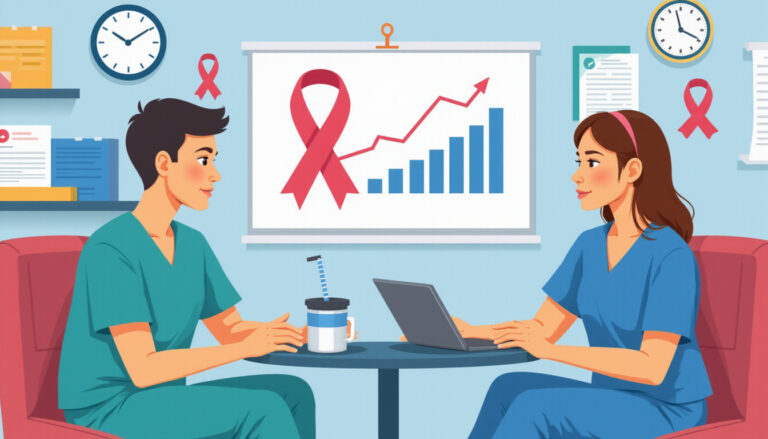

Colon cancer is becoming more common in younger adults. While it was once mostly a disease affecting people over 50, doctors now see more cases in people in their 30s and 40s. Understanding the causes and steps to reduce risk is essential for protecting your health.
This article explains why colon cancer is increasing among young adults and shares six practical ways to lower your risk.
Why Colon Cancer Rates Are Increasing in Young Adults
Colon cancer can have genetic causes, but most cases are not inherited. These are called sporadic colon cancers. They are influenced by lifestyle, diet, and environmental factors.
Although age is still a major risk factor, lifestyle changes in recent decades have caused more young adults to develop colon cancer. Factors like diet, obesity, and chronic health conditions now play a larger role than before.
Environmental and Dietary Factors That Increase Colon Cancer Risk
Cancer starts when cells in the colon develop DNA mutations. Most mutated cells are destroyed by the immune system. Problems arise when these cells multiply uncontrollably.
Certain foods and chemicals can encourage these cells to grow faster, a process called cancer promotion. Modern diets high in processed foods, sugar, and unhealthy fats increase this risk. Young adults are especially affected due to long-term dietary habits starting early in life.
Key Foods That Raise Colon Cancer Risk in Young Adults
1. High Fructose Corn Syrup (HFCS)
High fructose corn syrup is a sweetener found in many processed foods since the 1970s. It contains equal parts glucose and fructose. Both sugars can provide fuel for rapidly dividing cells.
Too much sugar can activate enzymes like PI3 kinase, AMP kinase, and mTOR. These enzymes control cell growth, and overactivation can promote cancer.
Tip: Limit added sugars to 25 grams or less daily. Check labels for HFCS and avoid sugary drinks and snacks.
2. Refined Carbohydrates and Flour-Based Foods
White bread, pizza, pasta, cereal, bagels, pastries, and chips often contain refined flour. Refining removes the bran and wheat germ, leaving mostly starch.
Starch comes in two forms: amylose and amylopectin. Foods high in amylopectin, like white rice and potatoes, digest quickly and spike blood sugar. High amylose foods, like brown rice, quinoa, sweet potatoes, and legumes, digest slowly, keeping blood sugar stable.
A diet high in refined carbs causes repeated insulin spikes, increasing the risk of insulin resistance and type 2 diabetes, which are linked to colon cancer.
3. Trans Fats
Trans fats harm cells and increase inflammation. They appear in fried foods, baked goods, and some processed snacks.
Cooking oils can form trans fats if heated above their smoke points. For example, olive oil turns unhealthy above 350°F. Studies show oils cooked at high temperatures can increase gut inflammation and colon tumors in animals.
Tip: Use oils with high smoke points, like avocado or refined coconut oil, and avoid overheating oils.
How Insulin and Diabetes Affect Colon Cancer Risk
Insulin manages blood sugar but also signals colon cells to grow. High insulin over long periods can make cells divide faster, creating an environment for cancer.
People with insulin resistance or type 2 diabetes face a higher risk of colon cancer. This is why high-fiber, low-sugar diets are often recommended for colon health. Fiber helps stabilize blood sugar and improves insulin sensitivity.
Six Practical Ways to Reduce Colon Cancer Risk
You can start lowering your risk today with simple lifestyle changes.
1. Cut Back on Added Sugars
Limit added sugars to 25 grams per day. Avoid soft drinks, candy, and processed snacks. Read nutrition labels carefully to identify hidden sugars, including HFCS.
2. Choose Whole Grains Over Refined Carbs
Replace white bread, white rice, and pasta with brown rice, quinoa, whole wheat bread, oats, and legumes. Whole grains digest slowly, reduce insulin spikes, and support gut health.
3. Be Careful with Cooking Oils
Use oils with smoke points above your cooking temperature. Avocado oil and refined coconut oil handle heat better than olive oil. Avoid overheating oils to prevent forming trans fats.
4. Avoid Tobacco and Limit Alcohol
Smoking and excessive alcohol increase colon cancer risk. Avoid tobacco entirely and keep alcohol consumption moderate or occasional.
5. Maintain a Healthy Weight and Exercise Regularly
Obesity increases inflammation and insulin resistance. Exercise improves insulin sensitivity and reduces gut inflammation. Aim for at least 150 minutes of moderate exercise per week and maintain a healthy weight.
6. Get Screened Early if at Risk
People with a family history of colon cancer or other risk factors should discuss early screening with their doctor. Colonoscopy can detect polyps before they become cancerous.
Final Thoughts
Colon cancer is rising among young adults due to diet and lifestyle factors. Sugar, refined carbs, trans fats, obesity, smoking, and alcohol all increase risk.
Focusing on whole foods, healthy cooking methods, exercise, and early screenings can significantly lower your risk. Start with small changes today to protect your colon and overall health.