
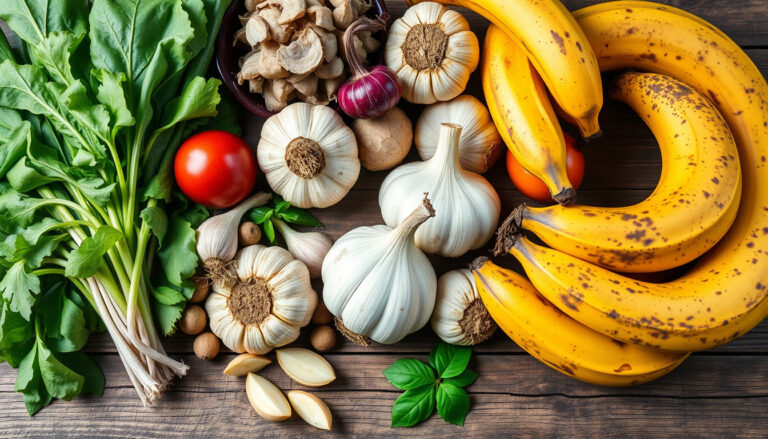

A healthy gut requires proper nutrients. Prebiotic foods feed good bacteria, keeping your digestive system balanced. This guide highlights the top prebiotic foods and explains how they naturally improve gut health.
What Are Prebiotic Foods and How They Support Gut Health
Prebiotic foods contain fibers and compounds your body cannot digest. Instead, gut bacteria ferment them, which nourishes beneficial microbes. This process strengthens digestion, supports immunity, and improves nutrient absorption.
Common prebiotic fibers include:
-
Inulin – found in chicory root, onions, and garlic
-
Fructooligosaccharides (FOS) – helps beneficial bacteria grow
-
Resistant starch – present in unripe bananas, oats, and potatoes
Additionally, these fibers travel through the stomach and small intestine to reach the colon intact, where bacteria ferment them. As a result, short-chain fatty acids form, which support gut cells and overall health.
Why Prebiotic Foods Are Essential for Gut Health in Daily Diets
Including prebiotic foods daily has several benefits. For example, they feed healthy gut bacteria and maintain regular bowel movements. They also improve mineral absorption, such as calcium and magnesium.
Furthermore, prebiotics strengthen the immune system and reduce gut inflammation. Over time, daily intake can enhance energy, mood, and digestive comfort. By adding variety, you help many types of bacteria thrive in your gut.
Top 10 Prebiotic Foods That Naturally Improve Gut Health
1. Chicory Root: Prebiotic Food for Better Digestion
Chicory root is rich in inulin fiber. It supports digestion and eases constipation naturally. In addition, it feeds beneficial gut bacteria and is available as a coffee substitute or fiber supplement.
2. Garlic: Prebiotic Food That Supports Gut Bacteria
Garlic contains FOS and inulin. This ingredient also provides antioxidants and supports immune function. Moreover, it can be added to soups, stir-fries, or roasted dishes to enhance flavor and gut health.
3. Onions: Natural Prebiotic Food for Gut Balance
Onions are high in inulin and FOS. They help friendly bacteria thrive while adding flavor to meals. Additionally, sulfur compounds in onions support liver function and overall metabolism.
4. Leeks: Mild Prebiotic Food That Promotes Gut Bacteria
Leeks share properties with onions and garlic. They provide inulin fiber and vitamins A and C. As a result, leeks promote healthy gut bacteria and are easy to cook in soups or side dishes.
5. Asparagus: Prebiotic Food That Feeds Beneficial Bacteria
Asparagus contains inulin fiber. This vegetable also has antioxidants and helps remove toxins. Furthermore, grilling, steaming, or roasting asparagus feeds gut bacteria effectively.
6. Bananas (Especially Unripe): Resistant Starch Prebiotic Food
Unripe bananas supply resistant starch, which acts as a prebiotic. They aid bowel regularity and help stabilize blood sugar levels. Additionally, bananas are convenient snacks or smoothie ingredients.
7. Jerusalem Artichoke: Crunchy Prebiotic Food for Gut Health
Jerusalem artichokes are rich in inulin. They support digestion and feed beneficial bacteria. In addition, roasting them or adding them to salads adds variety while boosting gut health.
8. Oats: Fiber-Rich Prebiotic Food for Gut and Heart Health
Oats contain beta-glucan and resistant starch. These fibers support heart health and help lower cholesterol. Moreover, they feed gut bacteria effectively and can be used as oatmeal or blended in recipes.
9. Apples: Prebiotic Food That Supports Microbiome Diversity
Apples, especially with skin, contain pectin fiber. They increase gut bacteria diversity and provide vitamin C. Additionally, apples can be eaten raw or used in baking to support digestive health.
10. Flaxseeds: Omega-3 Prebiotic Food for Digestion
Flaxseeds provide fiber and omega-3 fatty acids. They help maintain the gut lining and reduce inflammation. Furthermore, flaxseeds are easy to mix into smoothies, yogurt, or oatmeal daily.
How to Include Prebiotic Foods in Daily Meals for Gut Health
Adding these foods to your meals is simple. For example, start breakfast with oatmeal, sliced bananas, and flaxseeds. Also, add garlic and onions to soups, stir-fries, or salads.
Chicory root coffee can be a morning drink, while apples with skin make easy snacks. In addition, asparagus or leeks make excellent side dishes. Roasting Jerusalem artichokes or mixing them into salads adds variety. By combining these foods, you feed many types of gut bacteria effectively.

The Science Behind Prebiotic Foods and Gut Health
Research confirms prebiotics improve gut microbiome diversity. For instance, inulin and FOS boost Bifidobacteria, which enhance digestion and immunity.
Furthermore, fermentation of prebiotics produces short-chain fatty acids that nourish gut cells, reduce inflammation, and strengthen the gut barrier. As a result, regular prebiotic intake improves overall gut health and digestion.
FAQ About Prebiotic Foods and Gut Health
Q1: What is the difference between prebiotics and probiotics?
A1: Prebiotics feed bacteria, while probiotics are live bacteria in foods like yogurt.
Q2: Can prebiotic foods cause bloating or gas?
A2: Mild bloating may occur. To avoid discomfort, start with small amounts and increase gradually.
Q3: How much prebiotic fiber should I eat daily?
A3: Aim for 5–20 grams from different sources, depending on your body and goals.
Conclusion: Take Control of Your Gut Health With Prebiotic Foods
Eating prebiotic foods supports digestion, immunity, and bowel regularity. Start with simple options like garlic, bananas, or oats. Then, gradually add other prebiotic foods to maximize benefits.
Small daily changes can strengthen your gut, improve mood, and boost energy. Overall, feeding diverse bacteria keeps your digestive system balanced and healthy.


