
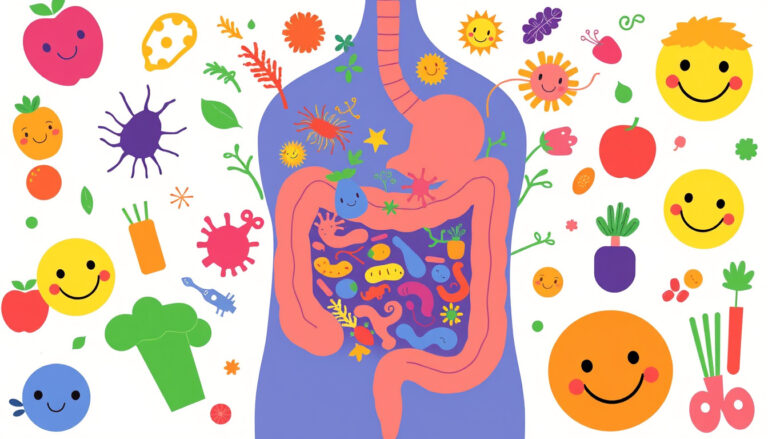

The human body is home to trillions of microscopic companions called the gut microbiome. This ecosystem lives mostly in the digestive tract and includes bacteria, viruses, fungi, and archaea. These microbes are not just passengers—they actively influence digestion, immunity, metabolism, and even mood. Learning how your gut microbiome works can help improve your overall health and prevent disease.

What Is the Gut Microbiome?
The gut microbiome is the community of microorganisms living mainly in the large intestine, or colon. Bacteria are the most studied group, but viruses, fungi, and archaea also play roles. Some microbes attach to the gut lining, while others float freely in the digestive tract, creating a dynamic and unique internal ecosystem.
Humans acquire their first microbes at birth. Vaginal birth and breastfeeding introduce different bacteria than cesarean delivery and formula feeding. Over a lifetime, diet, medications, environment, and lifestyle shape the microbiome’s diversity, much like tending a garden.
Why the Gut Microbiome Matters
The gut microbiome and the human body have a mutually beneficial relationship. We provide a habitat and nutrients; in return, microbes support essential bodily functions.
Digestive Support: Gut microbes break down fibers that human enzymes cannot digest. This process produces short-chain fatty acids (SCFAs), like butyrate and acetate, which nourish gut cells. Microbes also help produce vitamins B1, B9, B12, and K.
Immune Regulation: The gut contains up to 80% of the body’s immune cells. Microbes train the immune system to recognize harmful pathogens and prevent inflammation. By maintaining the gut barrier, microbiota stop toxins and bad bacteria from entering the bloodstream.
Metabolic Balance: Gut bacteria assist in processing bile acids, crucial for fat digestion and cholesterol management. They influence hormones that control hunger and blood sugar, linking them to obesity, diabetes, and liver health.
Gut-Brain Connection: Microbes communicate with the brain via the gut-brain axis. They produce or trigger neurotransmitters such as serotonin, affecting mood, behavior, and cognitive function. Research suggests imbalances may contribute to anxiety, depression, and other neurological issues.
Composition and Diversity
The gut microbiome is highly diverse. It is dominated by bacterial groups such as Firmicutes and Bacteroidetes, but also includes viruses, fungi, and archaea. A typical healthy gut contains over 1,000 microbial species. Most bacteria are anaerobic, thriving in low-oxygen environments like the colon.
Every individual has a unique “microbial fingerprint,” influenced by genetics, diet, age, and environment. While some core species are shared among people, the overall makeup varies. The microbiome is stable over time but can adapt to diet, lifestyle, and environmental changes.
When Things Go Wrong: Dysbiosis
Dysbiosis occurs when the gut microbiome becomes imbalanced. This can mean fewer beneficial microbes, overgrowth of harmful ones, or reduced diversity. Common causes include poor diet, antibiotics, infections, toxins, and chronic stress.
Dysbiosis is linked to several health issues:
-
Digestive disorders: Clostridium difficile infection, Helicobacter pylori-related ulcers, irritable bowel syndrome (IBS), and inflammatory bowel disease (IBD).
-
Metabolic problems: Obesity, insulin resistance, and fatty liver disease.
-
Immune and inflammatory conditions: Autoimmune disorders and chronic inflammation.
-
Mental health challenges: Anxiety, depression, and other neurological effects via the gut-brain axis.
Maintaining a balanced gut microbiome is key for overall wellness.
How to Support Your Gut Microbiome
Lifestyle choices greatly affect gut health. Here are proven strategies:
Eat High-Fiber Foods: Fruits, vegetables, legumes, and whole grains feed beneficial microbes and produce SCFAs.
Limit Sugars and Processed Foods: Diets high in sugar and saturated fats favor harmful bacteria and reduce diversity.
Use Probiotics and Prebiotics: Probiotics provide live beneficial bacteria, while prebiotics are fibers that feed them. Yogurt, kefir, sauerkraut, and dietary supplements can help.
Be Careful With Antibiotics: Antibiotics can disrupt gut microbes. Use them only when needed and consider taking probiotics during treatment.
Reduce Exposure to Toxins: Avoid pollutants, tobacco, and excessive alcohol to protect your microbial community.
Stay Active and Manage Stress: Physical activity and stress reduction support microbial diversity and overall gut health.
The Frontier of Microbiome Research
Advances in DNA sequencing have greatly increased our understanding of the gut microbiome. Large-scale projects, like the Human Microbiome Project, have cataloged millions of microbial genes—far more than the human genome.
Research is revealing how microbes influence drug metabolism, immunity, digestion, and even mental health. Scientists are exploring therapies targeting the microbiome to prevent or treat infections, metabolic disorders, and neurodegenerative diseases. Personalized microbiome interventions may become common in future medicine.
Conclusion
The gut microbiome is an essential partner in health. Its impact goes beyond digestion to include immune support, metabolism, mental health, and disease prevention. Maintaining diversity and balance is crucial for well-being.
Understanding and caring for your gut microbes can improve digestion, strengthen immunity, regulate metabolism, and support mood. Simple changes in diet and lifestyle can have long-term benefits for your internal ecosystem.
Your gut microbiome is not just inside you—it is a vital part of you. Nourish it, protect it, and it will help you thrive.
References
-
Cleveland Clinic Health Library: Gut Microbiome
-
Wikipedia: Gut Microbiota
-
Shreiner AB, Kao JY, Young VB. The gut microbiome in health and disease. Curr Opin Gastroenterol. 2015 Jan;31(1):69–75. DOI:10.1097/MOG.0000000000000139
Note: This article is for informational purposes. Consult a healthcare professional for personalized advice.


