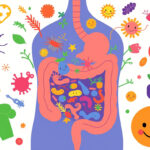

Irritable Bowel Syndrome (IBS) affects millions worldwide. It can cause abdominal pain, bloating, gas, diarrhea, and constipation. These symptoms can disrupt daily life and reduce overall well-being.
While prescription medications are often used to manage IBS, natural remedies offer an alternative approach. These remedies focus on diet, lifestyle, and gentle therapies to support gut health.
This guide explores IBS symptoms, highlights effective natural remedies, and provides dietary and lifestyle strategies to improve digestive wellness. It is designed for anyone seeking both immediate relief and long-term digestive support.

Understanding IBS and Its Symptoms
IBS is a chronic gastrointestinal disorder. Symptoms can range from mild discomfort to severe disruption of daily activities. Common signs include:
-
Abdominal pain or cramping
-
Bloating and gas
-
Diarrhea or constipation
-
Alternating bowel habits
The exact cause of IBS is not fully understood. Experts believe it is linked to irregular communication between the brain and gut. Other factors may include gut microbiome imbalances, food sensitivities, and stress.
Understanding your symptoms is the first step in managing IBS. Tracking your triggers, bowel patterns, and stress levels can help identify effective remedies.
Natural strategies often focus on supporting digestion, balancing gut bacteria, and reducing stress. These approaches can improve comfort and promote regular bowel function.
Why Natural Remedies Matter
Natural remedies provide relief without the side effects of many medications. They also support overall gut health rather than just masking symptoms.
Common natural strategies include:
-
Herbal teas: Peppermint and ginger teas can soothe the digestive tract and reduce bloating.
-
Probiotics: These are beneficial bacteria found in supplements and fermented foods. They help balance gut flora and support digestion.
-
Dietary changes: Adjusting fiber intake, reducing processed foods, and avoiding known trigger foods can lessen symptoms.
-
Stress management: Techniques such as yoga, meditation, and deep breathing can calm the gut-brain axis.
By incorporating these methods, individuals can find lasting relief and prevent flare-ups. Natural remedies empower you to take control of your digestive health with minimal risk.

Top Natural Remedies for IBS Relief
Several natural remedies have proven effective for IBS. Combining dietary adjustments with lifestyle changes often produces the best results.
1. Low-FODMAP Diet
The low-FODMAP diet removes fermentable sugars that are difficult to digest. These sugars can cause bloating, gas, and cramping. Foods high in FODMAPs include:
-
Wheat, rye, and barley
-
Certain fruits such as apples, pears, and cherries
-
Dairy products with lactose
-
Legumes like beans and lentils
A low-FODMAP diet reduces these triggers while still providing essential nutrients. Working with a dietitian can help ensure your meals remain balanced and varied.
2. Probiotics
Probiotics improve gut flora balance. Common sources include:
-
Yogurt
-
Kefir
-
Sauerkraut
-
Fermented vegetables
-
Probiotic supplements
Probiotics can ease bloating, improve bowel regularity, and reduce gas. Different strains may target specific IBS symptoms, so consulting a healthcare professional is beneficial.
3. Fiber Supplements
Soluble fiber can help normalize bowel movements. Foods rich in soluble fiber include oats, carrots, apples, and psyllium husk. Benefits of fiber for IBS include:
-
Reducing constipation and straining
-
Supporting healthy gut bacteria
-
Regulating stool consistency
Start fiber gradually to avoid triggering gas or bloating. Tracking your intake helps identify the optimal amount for relief.
4. Peppermint Oil
Peppermint oil relaxes intestinal muscles, reducing cramps and discomfort. It can be taken in enteric-coated capsules to prevent heartburn. Studies show it can relieve:
-
Abdominal pain
-
Gas
-
Bloating
Always follow recommended doses and check with your doctor if you have heartburn or GERD, as peppermint oil may worsen symptoms in some cases.
5. Herbal Teas
Herbs like ginger, chamomile, and fennel can soothe the digestive tract. Their benefits include:
-
Reducing inflammation
-
Calming bloating
-
Relieving gas
Drinking 1–2 cups a day can provide gentle relief. Avoid sweetened teas, which may worsen symptoms in sensitive individuals.
6. Mind-Body Techniques
Stress can trigger or worsen IBS. Techniques to calm the gut-brain axis include:
-
Yoga
-
Meditation
-
Deep-breathing exercises
-
Progressive muscle relaxation
Regular practice can reduce symptom frequency and severity. Combining these practices with dietary strategies provides stronger results.
Dietary Changes to Consider
Diet plays a key role in IBS management. Adjusting what you eat can reduce symptoms and prevent flare-ups.
Key Strategies
-
Increase soluble fiber: Include oats, bananas, and chia seeds to improve digestion.
-
Stay hydrated: Water helps prevent constipation and supports overall gut function.
-
Avoid trigger foods: Common triggers include:
-
Dairy (for lactose-intolerant individuals)
-
Gluten-containing grains
-
Fatty, fried foods
-
Artificial sweeteners like sorbitol or xylitol
-
-
Eat smaller, frequent meals: Large meals can overload the digestive system.
-
Monitor food responses: Keep a food diary to identify personal triggers.
Fermented Foods
Yogurt, kefir, and kimchi provide natural probiotics. They can help maintain a healthy balance of gut bacteria. Introduce them slowly to ensure your body tolerates them.

Lifestyle Modifications for Improved Digestion
Lifestyle changes are as important as dietary adjustments for IBS relief.
Exercise
Regular activity improves gut motility and reduces stress. Suitable options include:
-
Walking
-
Swimming
-
Yoga
-
Pilates
Even 20–30 minutes a day can improve digestion and overall well-being.
Stress Reduction
Stress triggers gut discomfort. Techniques to manage stress include:
-
Meditation
-
Deep-breathing exercises
-
Journaling
-
Mindful walking
Lowering stress supports regular bowel movements and reduces abdominal pain.
Sleep
Adequate sleep improves gut function and reduces inflammation. Adults should aim for 7–9 hours per night. Consistent sleep routines can enhance digestion and reduce symptom flare-ups.
Hydration
Water supports nutrient absorption and stool consistency. Aim for 6–8 glasses daily, adjusting based on activity level and climate. Avoid sugary beverages that can worsen bloating.
When to Seek Professional Help
Natural remedies are helpful, but some cases require medical attention. Consult a healthcare professional if you experience:
-
Persistent symptoms despite natural interventions
-
Severe abdominal pain
-
Unexplained weight loss
-
Blood in stool
-
Significant changes in bowel habits
A professional can rule out other conditions, recommend tests, and create a treatment plan tailored to your needs.
Frequently Asked Questions
What is IBS and what are its common symptoms?
IBS is a chronic disorder affecting the large intestine. Symptoms include abdominal pain, bloating, diarrhea, and constipation. Severity varies among individuals.
Why are natural remedies recommended for IBS relief?
They provide symptom relief without the side effects of medications. Natural remedies also support long-term gut health.
What are some effective natural remedies for IBS?
Effective remedies include peppermint oil, probiotics, fiber supplements, ginger, chamomile tea, and fennel seeds. These reduce bloating, cramping, and irregular bowel movements.
What dietary changes can help with IBS symptoms?
A low-FODMAP diet, increased fiber, hydration, and avoiding trigger foods like dairy or fatty meals are recommended. Keeping a food diary helps identify personal triggers.
When should I seek professional help for IBS?
See a doctor if symptoms are severe, persistent, or worsening. Immediate attention is necessary for blood in stool, significant weight loss, or severe abdominal pain.
Key Takeaways
-
IBS affects millions and can disrupt daily life.
-
Natural remedies can manage symptoms and support gut health.
-
Dietary changes, including fiber and low-FODMAP foods, can reduce bloating and discomfort.
-
Lifestyle adjustments, such as exercise, stress management, and sleep, play a major role in digestive wellness.
-
Professional guidance is important for persistent, severe, or unusual symptoms.