
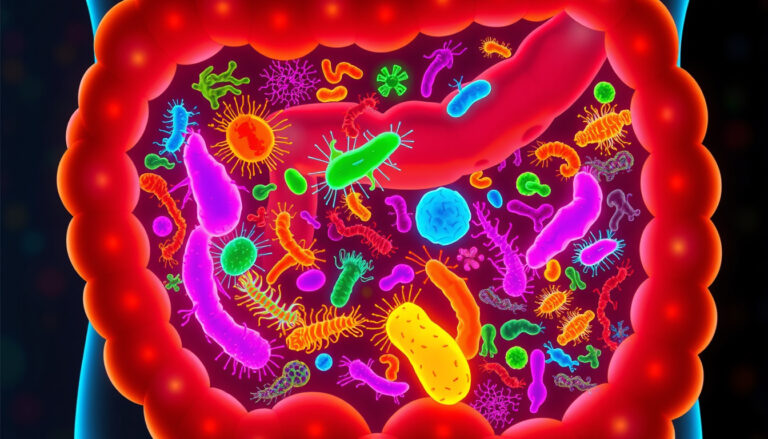

Probiotics can change your health in noticeable ways. These are live, good bacteria that keep your gut balanced. They support digestion, strengthen immunity, and may even improve mood. Adding probiotics regularly helps your body work more efficiently and stay healthy.
What Are Probiotics and Why They Matter
Probiotics are often called “good” bacteria because they keep your digestive system in balance. They live mostly in your intestines and help your body in several ways:
-
Aid nutrient absorption: They break down food so your body can use vitamins and minerals better.
-
Strengthen defenses: Many immune cells live in your gut, and probiotics support them.
-
Protect the gut wall: They maintain the lining that keeps harmful bacteria at bay.
-
Produce vitamins: Certain strains make Vitamin K and some B vitamins.
A balanced gut reduces bloating, constipation, and loose stools. It also helps your digestive system work smoothly.
Top Probiotics Benefits for Gut Health
1. Improve Digestion and Nutrient Uptake
Better digestion is a major benefit of probiotics. Strains like Lactobacillus and Bifidobacterium help break down food efficiently. They improve absorption of minerals such as calcium and magnesium and amino acids your body needs. This can give you more energy, reduce bloating, and ease stomach discomfort.
2. Strengthen Your Immune System
Around 70% of your immune system is in your gut. Probiotics guide your body to recognize and fight harmful microbes. Research shows some strains may shorten the duration of colds or respiratory infections. Regular probiotics intake can improve your body’s natural defense over time.
3. Support Digestive Disorders
Probiotics can relieve several digestive conditions, including:
-
Irritable Bowel Syndrome (IBS)
-
Inflammatory Bowel Disease (IBD)
-
Diarrhea from infections or medication
By balancing gut bacteria, probiotics help reduce inflammation and restore normal bowel function.
4. Promote Mental Health via the Gut-Brain Connection
Your gut communicates with your brain through nerves and chemical signals. Some studies indicate probiotics can calm the mind, ease anxiety, and improve mood. This shows gut health directly impacts mental well-being, not just digestion.
5. Support Weight and Metabolic Health
Certain probiotics strains may affect body weight and metabolism. They can influence appetite, fat storage, and energy use. Early studies suggest that regular use could help maintain a healthy weight.

How to Add Probiotics Naturally
You can get probiotics through fermented foods or supplements. Some options include:
-
Yogurt: Choose plain, unsweetened types with live cultures.
-
Kefir: A fermented milk drink rich in multiple strains.
-
Sauerkraut: Fermented cabbage with fiber and beneficial bacteria.
-
Kimchi: Spicy fermented vegetables common in Korean cuisine.
-
Tempeh: Fermented soy, also high in protein.
-
Miso: Soybean paste used in soups and dressings.
Probiotic supplements can also help. Always check with a healthcare provider to select the right strains for your needs.
Habits to Support Gut Health Alongside Probiotics
Probiotics work best with healthy habits. Consider these tips:
-
Eat fiber-rich foods: Fiber nourishes good bacteria.
-
Drink enough water: Proper hydration helps digestion and nutrient absorption.
-
Manage stress: Stress can disrupt gut balance.
-
Avoid unnecessary antibiotics: They can kill good bacteria along with harmful ones.
-
Exercise regularly: Physical activity supports a diverse gut microbiome.


