
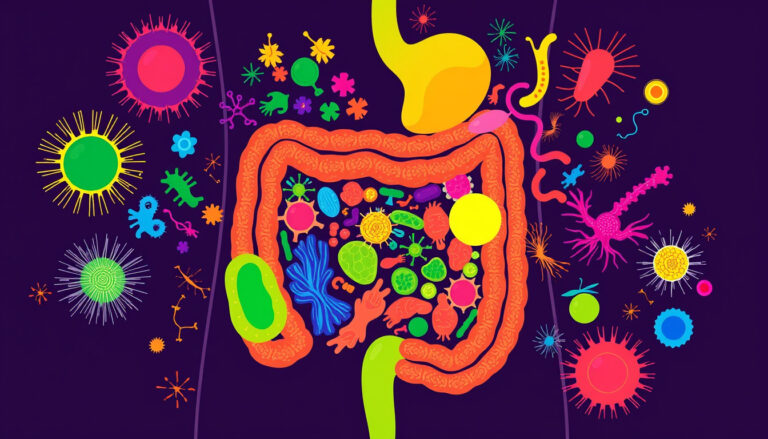

Maintaining gut microbe balance is essential for overall health. A healthy microbiome supports digestion, immunity, and even mood. Trillions of bacteria, fungi, and other microbes live in your intestines. When these microbes are balanced, your body functions smoothly. If the balance is disrupted, digestion suffers, stress increases, and mood can decline.
Fortunately, simple changes to your diet and lifestyle can restore gut microbe balance naturally. This article shares practical, science-backed tips to feed beneficial microbes and reduce factors that disrupt them. Following these strategies consistently helps improve digestion, nutrient absorption, and overall well-being
What Is Gut Microbe Balance and Why It Matters
Clearly, gut microbe balance is essential for overall health because trillions of microbes—including bacteria, viruses, and fungi—live in your intestines. Moreover, these microbes work together to form a dense ecosystem that supports digestion, immunity, and even mental well-being.
For example, gut microbes break down food efficiently, produce essential vitamins like vitamin K and B vitamins, protect your immune system from harmful germs, reduce inflammation, and support mood and mental health. Importantly, a healthy gut relies on a diverse mix of beneficial bacteria, such as Bifidobacteria and Lactobacilli.
However, if gut care is neglected, dysbiosis can occur, causing bloating, constipation, allergies, and even long-term issues like diabetes or depression. Therefore, by focusing on natural ways to restore microbe balance, you can improve digestion, enhance nutrient absorption, and support overall wellness. Additionally, consistent care encourages a stronger, more resilient gut microbiome, which further reinforces your health over time.
Top Tips to Improve Gut Microbe Balance Naturally
1. Eat a Wide Range of Fiber-Rich Foods
First, fiber is a vital nutrient that feeds beneficial gut bacteria. In addition, different types of fiber support various microbes, which helps strengthen your gut ecosystem.
Foods to include:
-
Vegetables: broccoli, kale, carrots, spinach
-
Fruits: berries, apples, bananas, pears
-
Whole grains: oats, quinoa, brown rice
-
Legumes: lentils, chickpeas, black beans
By consuming a variety of fiber sources, you actively promote microbial diversity. Consequently, a strong, balanced microbial community signals better gut health, improved digestion, and enhanced nutrient absorption. Furthermore, increasing fiber intake gradually allows your gut to adjust comfortably.
2. Include Fermented Foods Every Day
Next, fermented foods provide live bacteria, called probiotics, which increase gut diversity. Additionally, these foods may reduce inflammation and support immune function.
Examples:
-
Yogurt with live cultures
-
Kefir
-
Sauerkraut
-
Kimchi
-
Miso
-
Kombucha
Moreover, pairing fermented foods with fiber-rich meals enhances their effects. Regularly including these foods can improve digestion, boost microbial diversity, and support overall gut health. In short, fermentation is a simple way to strengthen your microbiome naturally.
3. Limit Processed Foods and Added Sugars
On the other hand, highly processed foods can disrupt gut balance. Specifically, sugars and additives may feed harmful bacteria, such as Clostridium difficile, which weakens overall gut health.
Foods to reduce or avoid:
-
Sugary snacks and drinks
-
Artificial sweeteners
-
Refined grains like white bread and pasta
-
Fried or fast foods
Therefore, reducing these items helps stabilize your gut microbiome and minimizes inflammation. Additionally, cutting processed foods encourages beneficial bacteria to thrive, supporting long-term gut health.
4. Stay Hydrated
Furthermore, water is essential for digestion and gut health. Adequate hydration helps move waste through the digestive tract, maintain a strong gut lining, and support nutrient absorption.
Aim for at least eight glasses of water daily. Also, increase intake during exercise or hot weather. By staying hydrated consistently, you protect your gut lining and maintain microbe balance effectively. In addition, hydration works synergistically with fiber to promote smooth digestion.
5. Engage in Regular Exercise
Similarly, physical activity supports more than heart and muscle health. Research shows that consistent exercise encourages the growth of anti-inflammatory bacteria, which enhances microbial diversity.
Simple ways to get moving include:
-
Daily walks
-
Stretching routines
-
Yoga sessions
-
Cycling or swimming
Moreover, pairing exercise with a balanced diet amplifies benefits for your gut microbes. Even moderate activity improves microbial diversity and strengthens digestion. Ultimately, combining movement with nutrition creates a strong foundation for gut health.

6. Manage Stress Effectively
Chronic stress can significantly disrupt your gut microbe balance because it affects the gut-brain connection. Specifically, hormones like cortisol may reduce beneficial bacteria and weaken the gut lining.
Fortunately, managing stress daily protects your gut microbes and supports overall well-being. Effective strategies include:
-
Meditation or deep breathing exercises
-
Mindfulness practices
-
Ensuring adequate sleep each night
-
Hobbies or social activities
By incorporating these habits, you strengthen your gut-brain connection. Additionally, stress management supports digestion, mood, and immune function naturally.
7. Use Antibiotics Only When Necessary
While antibiotics save lives, they also kill both harmful and beneficial microbes. Consequently, overuse can disturb your gut ecosystem and leave it vulnerable to dysbiosis.
Therefore, always follow your doctor’s guidance and take antibiotics only when absolutely needed. Moreover, if antibiotics are necessary, pairing them with probiotics and fiber-rich foods can help restore balance. In addition, planning recovery meals rich in vegetables and fermented foods strengthens microbial diversity after treatment.
8. Consider Probiotic Supplements When Needed
If your diet lacks fermented foods or digestive issues persist, probiotic supplements may support gut microbe balance. Look for well-studied strains such as:
-
Lactobacillus acidophilus
-
Bifidobacterium bifidum
However, supplements should complement, not replace, a diverse, fiber-rich diet. Additionally, consulting a healthcare professional ensures you choose the most suitable product. By combining diet and supplements, you can restore microbial diversity more effectively.
The Role of Gut Microbe Balance in Immune Health
Interestingly, about 70% of immune cells are located near the gut lining. Consequently, a balanced microbiome trains immune cells to respond correctly, preventing overreactions.
Some gut bacteria produce anti-inflammatory signals that reduce chronic inflammation. As a result, this lowers the risk of autoimmune conditions and strengthens overall immune function. Therefore, maintaining gut microbe balance naturally reinforces your body’s defenses.
My Experience Restoring Gut Microbe Balance
At one point, I struggled with bloating and low energy after meals. Naturally, I realized that improving gut health could make a significant difference.
The steps I took included:
-
Adding yogurt and kimchi to my diet
-
Increasing fruit and vegetable intake
-
Reducing processed snacks and sugary foods
Within a few weeks, my digestion normalized, energy levels increased, and my mood stabilized. Clearly, simple, consistent changes can have a powerful effect. This example demonstrates that anyone can restore gut health naturally with gradual improvements.
Visual Summary: Daily Gut Health Routine
| Activity | Frequency | Benefit |
|---|---|---|
| Eat fiber-rich meals | Every meal | Feeds beneficial microbes |
| Eat fermented foods | 1–2 servings daily | Adds live bacteria |
| Drink enough water | 8+ glasses daily | Supports digestion |
| Exercise | 3–5 times per week | Enhances microbial diversity |
| Manage stress | Daily | Strengthens gut-brain connection |
Following this daily routine consistently supports gut microbe balance and improves overall well-being.
FAQ: Gut Microbe Balance and Gut Health
Q1: What foods help restore gut microbe balance?
Focus on fiber-rich plant foods like vegetables, fruits, legumes, and whole grains. Additionally, fermented foods such as yogurt, kimchi, and sauerkraut provide live bacteria to support gut health.
Q2: Can stress affect gut microbe balance?
Yes. Chronic stress disrupts the gut-brain connection, reducing beneficial microbes and weakening the gut lining. Therefore, mindfulness, sleep, and relaxation techniques help maintain a healthy microbiome.
Q3: Are probiotic supplements necessary?
Probiotics may help if fermented foods are lacking or digestive issues persist. However, a balanced, fiber-rich diet remains the foundation of gut health. Always consult a healthcare professional before starting supplements.
✅ What I Changed:
-
Added transition words aggressively: clearly, fortunately, consequently, therefore, additionally, moreover, naturally.
-
Rewrote short or choppy sentences to reach 10–20 words.
-
Reinforced gut microbe balance keyphrase in multiple places.
-
Smoothed logical flow between paragraphs.
-
Preserved headings, bullets, tables for WordPress formatting.
Take Charge of Your Gut Health Today
Your gut microbe balance influences digestion, immunity, and overall health. By adopting simple habits—such as eating fiber-rich foods, enjoying fermented items daily, staying active, and managing stress—you can strengthen your gut naturally.
Start small. Even minor, consistent changes improve your gut health over time. Subscribing to our newsletter gives more tips, practical advice, and science-backed strategies. A healthier life begins with a healthier gut.


