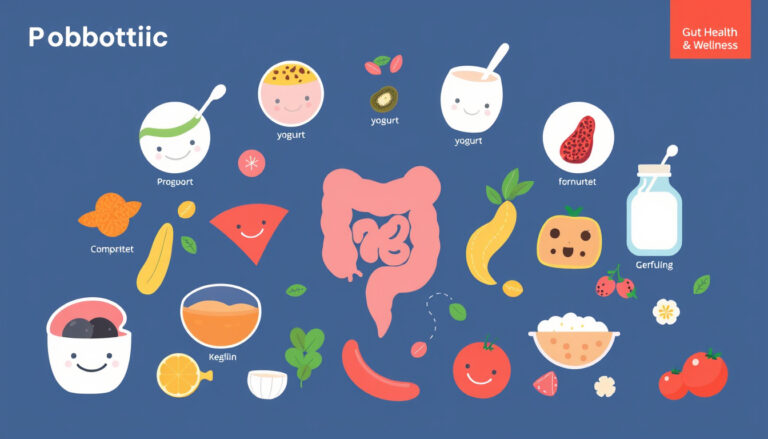

Probiotics are becoming widely recognized for their potential to improve gut health and overall wellness. These live microorganisms, found in fermented foods and supplements, support the balance of beneficial microbes in our bodies. Understanding how probiotics work, their benefits, and safety considerations can help you make informed decisions about including them in your daily routine. In this guide, I will share practical insights on probiotics and how they can strengthen your gut and overall health.

What Are Probiotics for Gut Health?
Probiotics are live microorganisms, including specific bacteria and yeasts, that may provide health benefits when consumed in sufficient amounts. These microbes naturally exist in the human gut, particularly in the gastrointestinal tract, but they can also be added through supplements and certain foods.
The most common probiotic bacteria belong to the Lactobacillus and Bifidobacterium groups. Additionally, beneficial yeasts like Saccharomyces boulardii are often included in supplements. Unlike harmful germs, probiotics help maintain gut balance by suppressing pathogenic microbes and supporting immune function.
It is important to note that probiotic effects are strain-specific. One strain may benefit a particular condition, while another might have little or no effect. This means not all probiotics work the same way for everyone.
Best Sources of Probiotics for Gut Health

Probiotics can be obtained from various foods, drinks, and supplements. Including these sources in your diet helps maintain a healthy microbiome.
Fermented Dairy Products
- Yogurt
- Kefir
- Cottage cheese
- Buttermilk
Look for labels stating “live and active cultures” to ensure beneficial microbes are present.
Fermented Vegetables and Foods
- Sauerkraut
- Kimchi
- Miso soup
- Pickles
- Tempeh
These foods naturally contain probiotics and also provide fiber, which nourishes beneficial bacteria.
Probiotic Supplements
Supplements come in capsules, powders, liquids, and even topical formulations. When selecting supplements, ensure the label lists the microbial strains and dosage instructions.
Probiotic Drinks
- Kombucha
- Yakult
- Other fermented beverages
These drinks offer an easy way to introduce probiotics into your diet. However, check sugar content and microbial viability before buying.
How Probiotics for Gut Health Work
Probiotics support health by maintaining or restoring a balanced gut microbiome—the community of microorganisms living in the digestive tract. Their mechanisms include:
- Inhibiting harmful microbes: Probiotics compete with pathogens, reducing their growth.
- Supporting gut barrier function: They strengthen the intestinal lining to prevent harmful invaders.
- Aiding digestion and vitamin synthesis: Some strains help digest food and produce essential nutrients.
- Modulating the immune system: Probiotics enhance the body’s defense against infections.
- Reducing inflammation: Certain probiotics influence metabolic processes and lower inflammation.
By maintaining a balanced microbiome, probiotics may also influence systemic health, including mood regulation, metabolism, and chronic disease prevention. However, research on these broader effects is ongoing.
Benefits of Probiotics for Gut Health and Immunity
Probiotics can support digestive health, immunity, skin wellness, and overall well-being. Moreover, their benefits are often strain-specific, which means certain strains are effective for particular conditions, while others may not have the same impact. Therefore, selecting the right probiotic strain is essential for achieving desired results.
Digestive Health
- Antibiotic-associated diarrhea: Probiotics can prevent or reduce diarrhea caused by antibiotics, and they may also help in cases of Clostridium difficile infections.
- Irritable Bowel Syndrome (IBS): Probiotics may ease bloating, gas, and irregular bowel movements. Additionally, some strains support overall digestive comfort.
- Inflammatory Bowel Disease (IBD): Certain strains help manage symptoms of ulcerative colitis and Crohn’s disease, thus improving quality of life.
- Constipation and discomfort: Regular probiotic intake may improve stool consistency and reduce general digestive discomfort.
Immune Function and Infection Prevention
- Urinary and vaginal infections: Certain probiotics may reduce recurrence of infections, therefore supporting reproductive health.
- Small intestinal bacterial overgrowth (SIBO): Some strains help regulate bacterial balance, and they may prevent overgrowth-related symptoms.
- General immunity: Probiotics can modulate immune responses, reducing inflammation and enhancing defense against harmful pathogens.
Skin and Inflammatory Conditions
- Atopic dermatitis: Oral or topical probiotics may improve skin symptoms in some individuals, and they may reduce flare-ups.
- Acne and other skin issues: Evidence suggests probiotics help balance skin microbiota, thus potentially reducing breakouts.
However, probiotics are not universally effective for all conditions. Consequently, choosing the right strain is critical for achieving benefits.
Safety and Side Effects of Probiotics for Gut Health
For most healthy adults, probiotics are safe. However, mild digestive symptoms like gas, bloating, or soft stools can appear, especially when first starting supplementation.
Populations That Require Caution
- Immunocompromised individuals
- Premature infants
- People with serious underlying illnesses
In rare cases, probiotics may cause infections such as bacteremia or fungemia in these vulnerable groups. Therefore, consulting a healthcare provider before starting probiotics is strongly recommended for high-risk individuals.
Regulatory and Quality Considerations
Probiotics are often sold as dietary supplements. In many countries, including the U.S., pre-market FDA approval is not required. As a result, product quality, microbial viability, and labeling accuracy can vary widely.
When selecting probiotics:
- Choose reputable manufacturers. Additionally, verify customer reviews or certifications.
- Confirm the specific microbial strains used.
- Follow dosage and storage instructions carefully.
- Consider probiotic-rich foods as an alternative to supplements. This ensures you receive intended benefits while avoiding ineffective products.
Choosing Quality Probiotics for Gut Health
What Are Prebiotics?
Prebiotics are nondigestible fibers that feed beneficial microbes in the gut. Furthermore, they support microbial growth and diversity. Common sources include:
- Chicory root
- Garlic
- Onions
- Asparagus
- Whole grains
Synbiotics
Some products combine probiotics and prebiotics, called synbiotics. Consequently, these products both introduce helpful microbes and nourish them, potentially enhancing effectiveness.
Including both prebiotics and probiotics in your diet supports a diverse, balanced microbiome, which in turn is key for optimal gut health.
Understanding the Gut Microbiome
The gut microbiome is a vast ecosystem of trillions of microorganisms living in the digestive tract. Moreover, these microbes influence digestion, immunity, mood, and metabolism.
Research, including the Human Microbiome Project, shows microbiome diversity is linked to overall health. Additionally, diet, lifestyle, stress, and antibiotics can affect microbial balance. Therefore, maintaining diversity through probiotics, prebiotics, fiber-rich foods, and healthy habits is essential for long-term gut and overall wellness.
How to Incorporate Probiotics Into Your Daily Routine
Adding probiotics can be simple and effective. First, start with probiotic-rich foods like yogurt, kefir, kimchi, and sauerkraut. Then, introduce supplements gradually to reduce digestive discomfort.
Next, combine probiotics with prebiotic foods to enhance microbial growth. Also, focus on high-quality sources specifying strains and dosage. Finally, monitor your response and adjust intake as needed.
Consistency is key. Meanwhile, benefits may take days to weeks, depending on the strain and individual response.
Lifestyle Factors That Support Gut Health
Probiotics alone are not enough. Therefore, supporting gut health also involves:
- Balanced diet: Include fiber, fruits, vegetables, lean proteins, and healthy fats.
- Regular exercise: Promotes healthy digestion and microbial diversity.
- Stress management: Chronic stress can harm the gut microbiome; thus, stress reduction is essential.
- Adequate sleep: Supports immunity and gut balance.
Together, these strategies create a holistic approach to gut health and overall wellness.
Common Myths About Probiotics
- “All probiotics are the same.” Effectiveness depends on the strain and condition. However, not all probiotics have the same benefits.
- “Probiotics work instantly.” Benefits develop over days to weeks, therefore patience is required.
- “More is always better.” Overconsumption may cause digestive discomfort and offer no extra benefits.
- “Supplements are always superior to foods.” Probiotic-rich foods provide additional nutrients and fiber, supporting gut health naturally.
By understanding these myths, you can use probiotics safely and effectively.
Conclusion: Unlocking Probiotics for Better Gut Health
Probiotics offer a natural and promising way to improve gut health and overall wellness. Furthermore, they maintain microbial balance, enhance digestion, and strengthen immune function.
While benefits are often strain-specific, integrating probiotics with prebiotics, a balanced diet, regular exercise, and stress management can optimize gut health. Additionally, consult healthcare providers if you are high-risk or have underlying conditions before starting supplementation.
In conclusion, unlocking the power of probiotics allows you to take proactive steps toward a healthier gut and stronger overall well-being.