
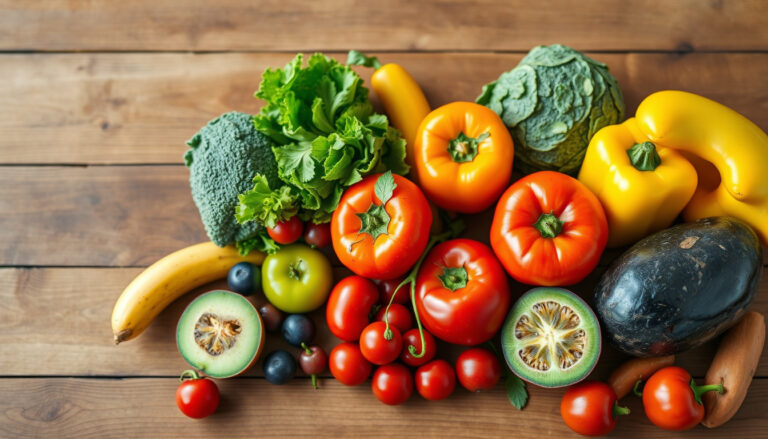

Digestive health tips are essential for maintaining overall well-being, helping your body absorb nutrients efficiently and keeping your immune system strong. Boosting your gut care naturally can prevent common digestive issues like bloating, constipation, or indigestion, and support long-term health. In this guide, we’ll share expert-backed strategies and practical tips to improve digestion and strengthen your gut.
Understanding Digestive Health and Its Importance
Digestive health means that your stomach, intestines, and related organs work well. When your gut works well, food breaks down fast. Nutrients get into your body with ease. Waste leaves your body without strain. When the gut struggles, you may feel bloated, have constipation or diarrhea, suffer from indigestion, or feel tired.
Good digestion supports a calm body and clear mind. Immune cells and brain signals depend on a healthy gut.
Top Natural Strategies to Improve Digestive Health
Here are proven methods that work well to care for your gut without drugs.
1. Increase Fiber Intake
Fiber helps your body move food through your gut. It adds bulk to waste and helps you pass stool regularly. There are two types of fiber: soluble and insoluble. Soluble fiber mixes with water to help control blood sugar and cholesterol. Insoluble fiber helps food go fast through your stomach and intestines.
Foods rich in fiber include:
• Vegetables like broccoli, carrots, and spinach
• Fruits like apples, berries, and pears
• Whole grains such as oats, quinoa, and barley
• Legumes like lentils, chickpeas, and beans
• Nuts and seeds
Aim for 25-30 grams of fiber every day.
2. Stay Hydrated
Water works with your body to move food and fiber smoothly through the gut. It dissolves fats and soluble fiber. This water flow helps stop constipation and keeps the gut lining healthy.
3. Include Probiotics and Prebiotics
Probiotics are good bacteria for your gut. They help repair and keep a balanced gut. You can get them from fermented foods or supplements.
Foods with natural probiotics include:
• Yogurt with live cultures
• Kefir
• Sauerkraut
• Kimchi
• Miso
Prebiotics are foods that feed good bacteria. Foods like garlic, onions, bananas, and asparagus work as prebiotics. Together, they help your digestion and support your immunity.
4. Manage Stress
Stress can slow your gut and raise inflammation. This strain may lead to discomfort like stomach pain or acid reflux. Try steps like:
• Meditation
• Deep breathing
• Yoga
• Exercise
• Getting enough sleep
These steps keep stress low and your gut calm.
5. Limit Processed Foods and Sugars
Processed foods and too much sugar can upset your gut. They carry additives and unhealthy fats that make digestion hard. Switching to whole foods and cutting processed food can help balance your gut.
6. Practice Mindful Eating
How you eat matters. Eating fast or while busy can strain your gut. To keep it calm:
• Chew your food well
• Eat in a quiet space
• Don’t do other tasks while eating
• Notice when you are hungry or full
7. Regular Physical Activity
Exercise moves food through your gut. It helps reduce constipation and keeps your system working well. Try to do about 30 minutes of moderate exercise most days.

Summary of Key Digestive Health Strategies
| Strategy | Benefits |
|---|---|
| Increase Fiber Intake | Helps with regular bowel movements |
| Stay Hydrated | Stops constipation and aids nutrient use |
| Include Probiotics & Prebiotics | Balances gut bacteria and supports immunity |
| Manage Stress | Calms the gut and lowers inflammation |
| Limit Processed Foods & Sugars | Keeps gut bacteria in balance |
| Practice Mindful Eating | Improves digestion and nutrient uptake |
| Regular Physical Activity | Boosts bowel movement |
Frequently Asked Questions About Digestive Health
Q1: What are some top foods for a healthy gut?
A: Fruits, vegetables, whole grains, and legumes give fiber. Probiotic foods like yogurt and kimchi help keep your gut strong.
Q2: How does stress affect the gut?
A: Stress changes the speed of food movement and can raise gut inflammation. This change may cause pain and bloating.
Q3: Does water help digestion?
A: Yes, water helps dissolve fats and fiber. It moves waste through the gut and stops constipation.
Expert Insight on Digestive Health
Experts from the Cleveland Clinic say that fiber and water are key for good digestion. They stress a balanced diet with whole grains and plant foods. They also point to exercise and stress control as parts of good gut care.
Take Charge of Your Digestive Health Today
Improving your gut care is within your reach. A diet rich in fiber, enough water, stress control, and good bacteria foods can boost digestion and reduce discomfort. Change your routine in small steps. Your body will feel the difference.


